
Most agencies have never run a business. We have.
Before MTHD, we scaled our e-commerce brand from zero to £74M in sales. We then founded MTHD in 2024, to share our skills with businesses of all sizes.
MTHD currently works with everyone – from local start-ups to brands worth Billions.
Global AI is a secure alternative to public cloud providers, partnering with enterprises and nations to deliver complete data sovereignty. They provide scalable, secure AI-ready infrastructure across an international network of state-of-the-art data centers.
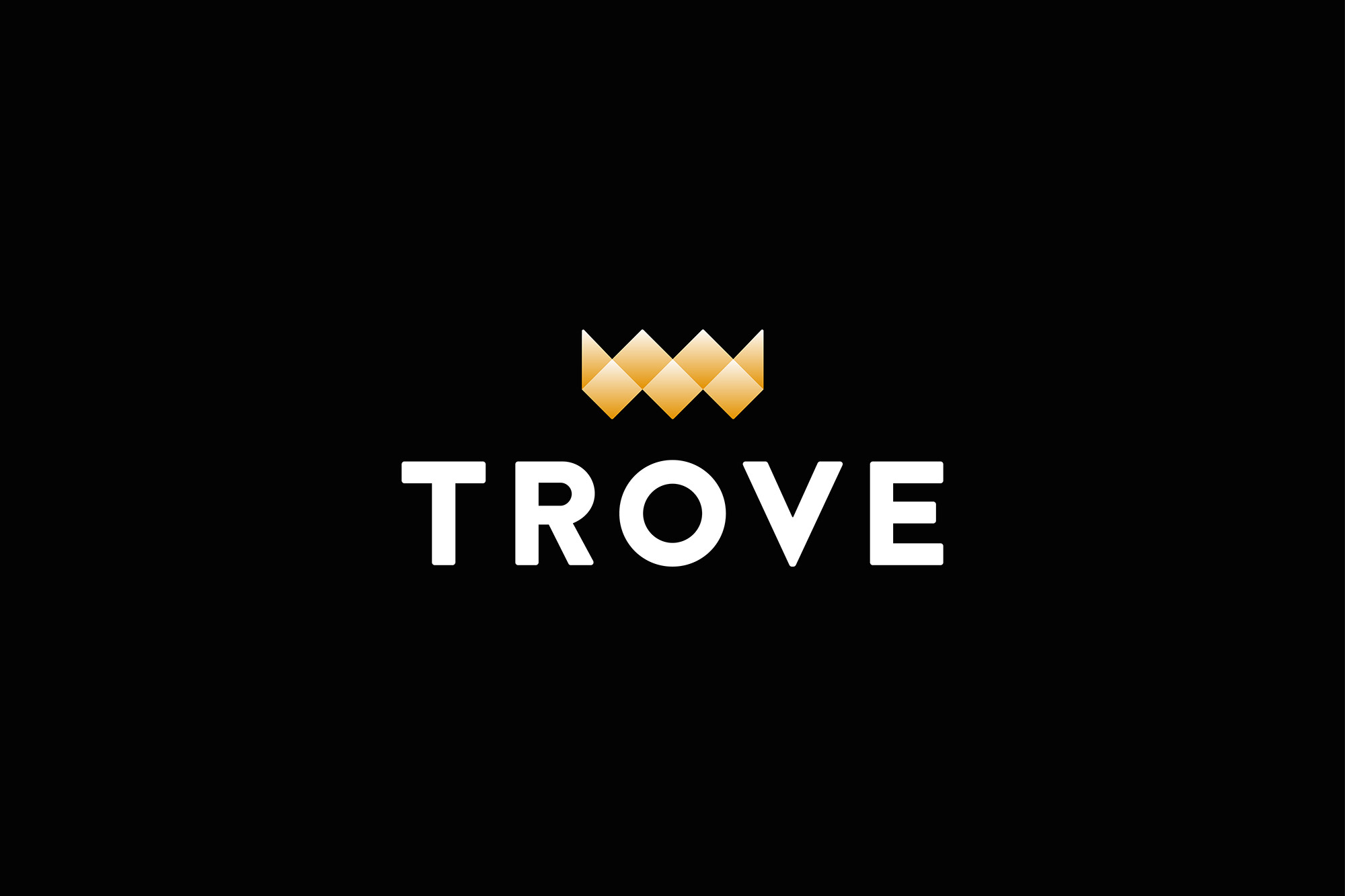
Trove's Founder exited his last company for $300million. He came to us to help brand his next venture. A passion project from his childhood. An online marketplace for PSA-graded collectible cards. We created their branding, provided web-designs & support their paid ads across Google.
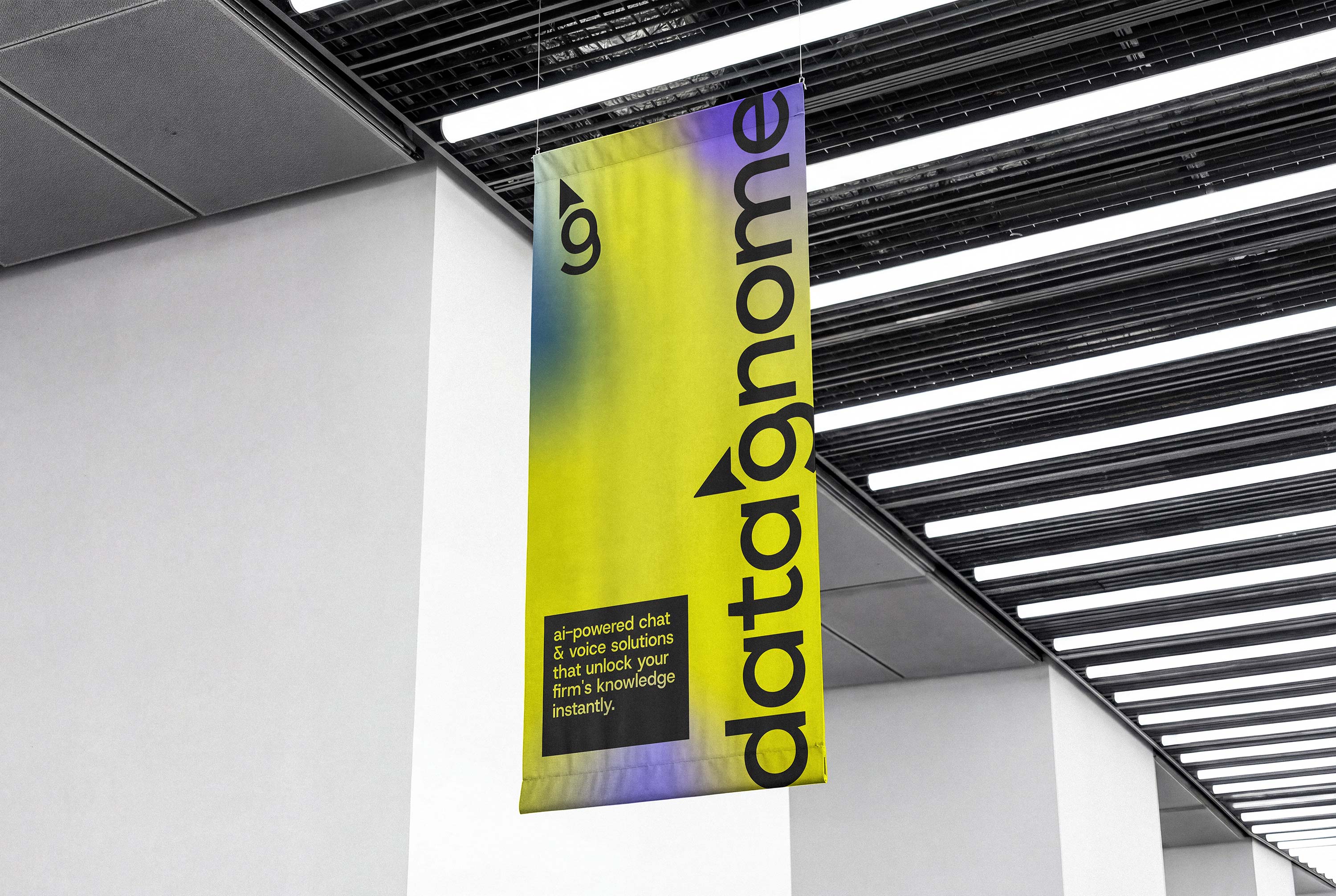
Data Gnome is an AI-powered chat and workflow automation platform built for enterprise clients, with a focus on law firms of 500–1,000+ employees. They approached us seeking creative direction, a complete brand design and future facing strategy to help close Enterprise deals. They wanted to look like the obvious choice - and now they do.
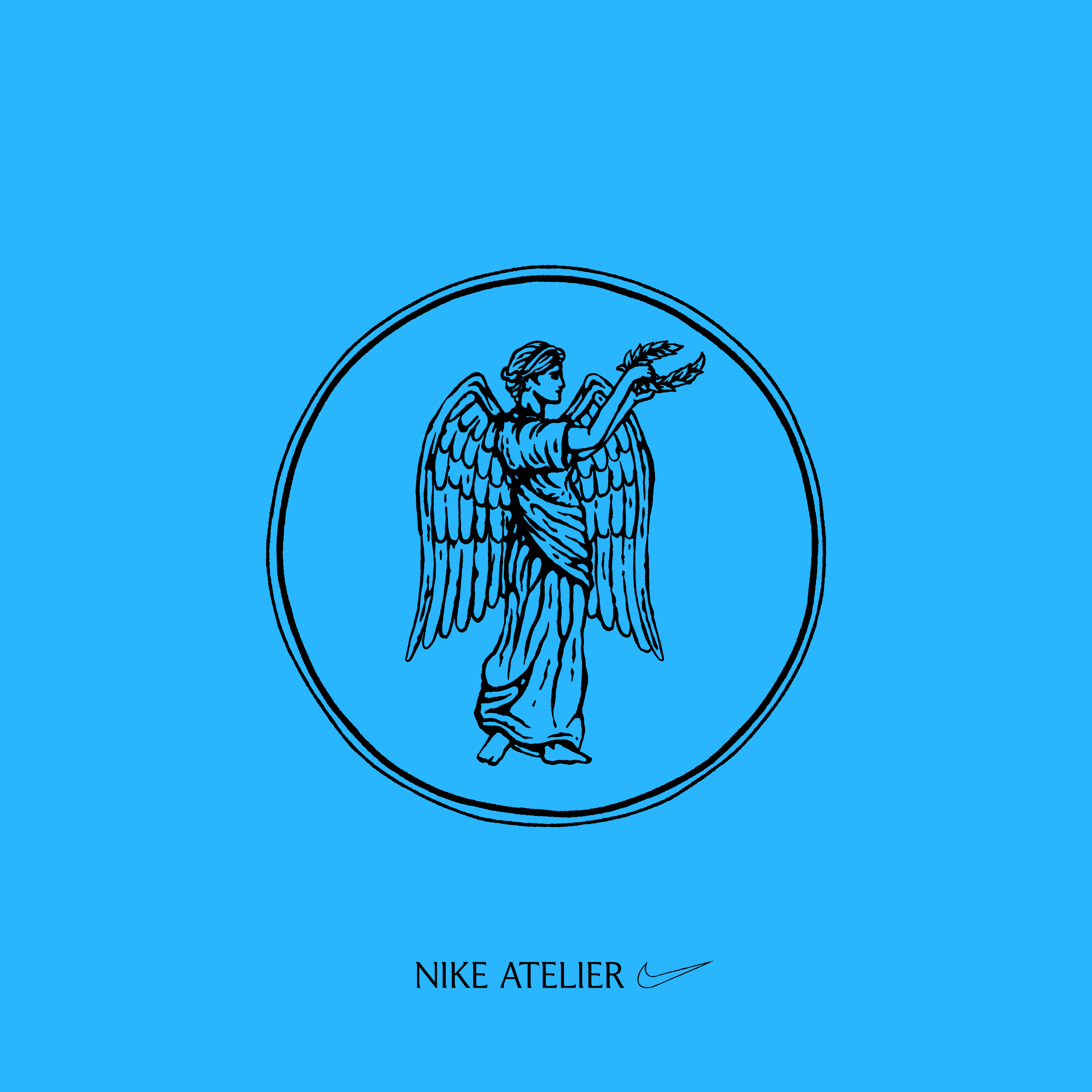
Nike's agency reached out to our creative director for help. They wanted a custom illustration to help elevate Nike's new high fashion sub-brand... and we were more than happy to oblige. You may have seen this used by Tennis Legends Maria Sharapova or Jannick Sinner.
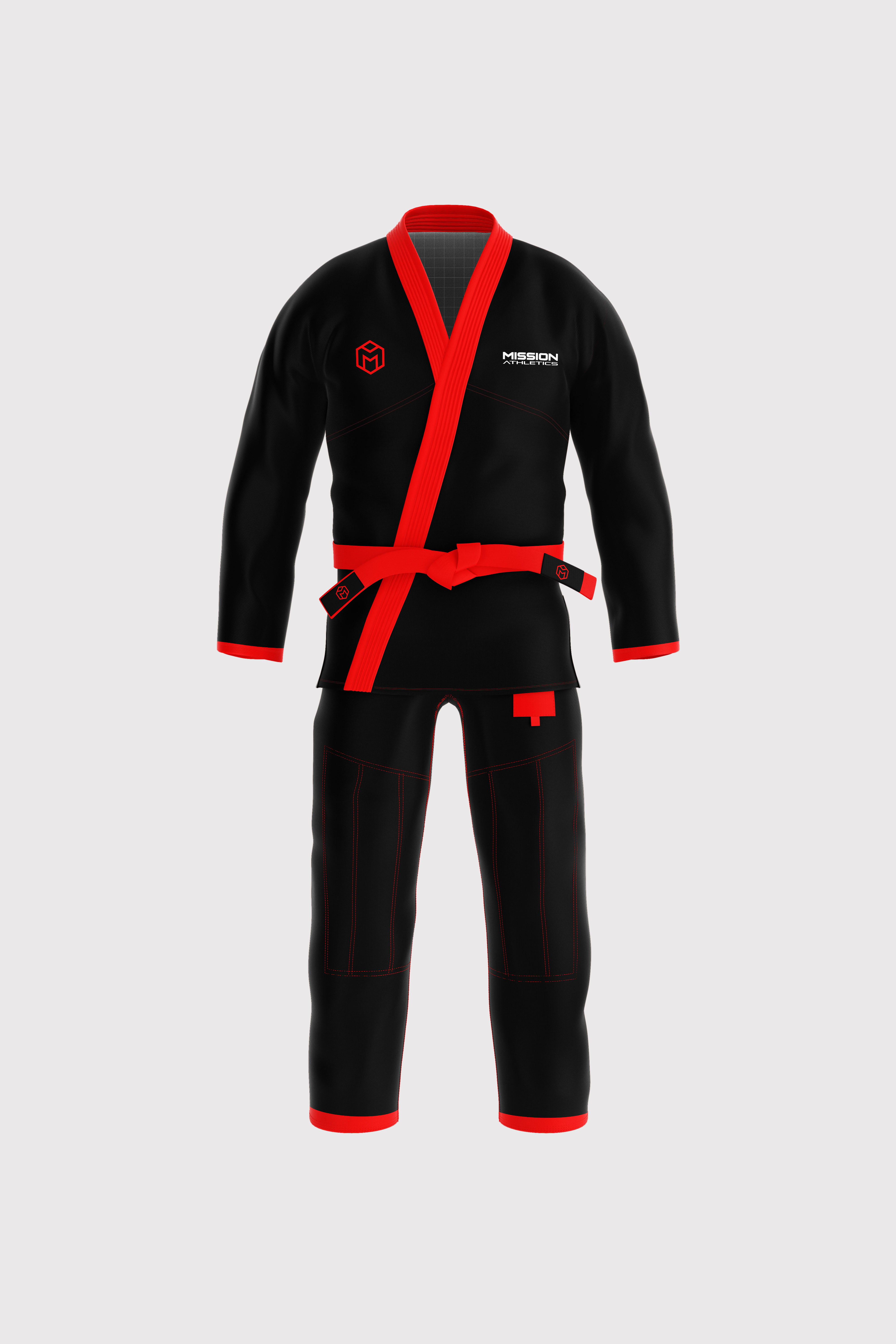
Mission Athletics is a next-level training complex that launched in Cedar Rapids from serial entrepreneurs with Venture funding. We did their branding, website & run their paid ads across Meta to secure leads & serious members. This is not a gym, this is where NCAA & Olympic athletes are forged.
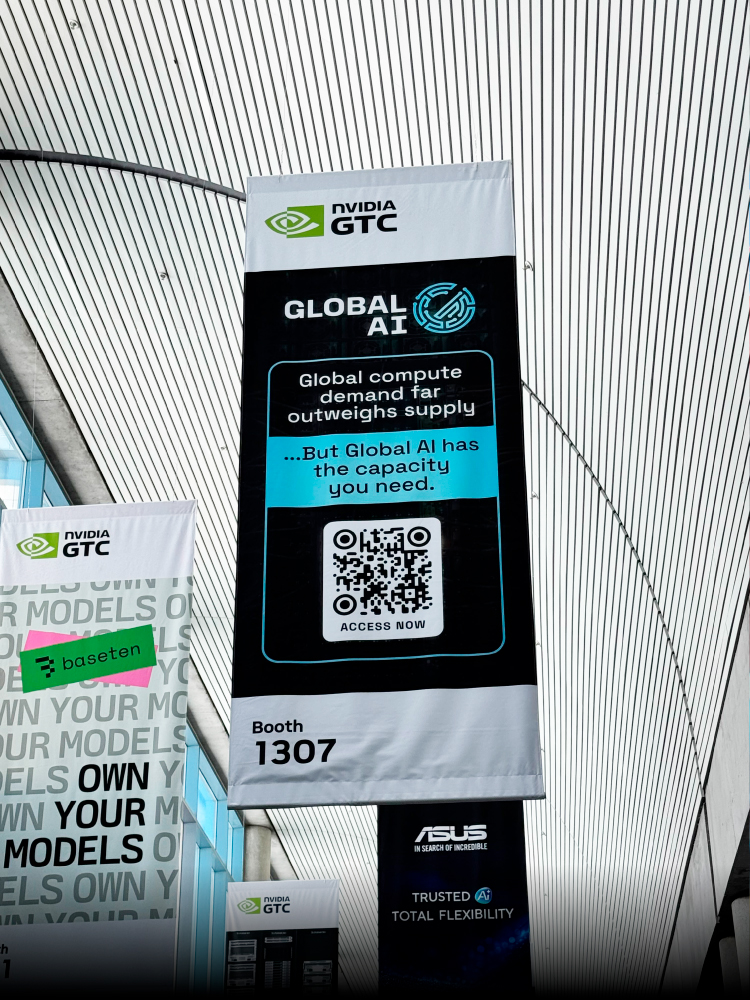
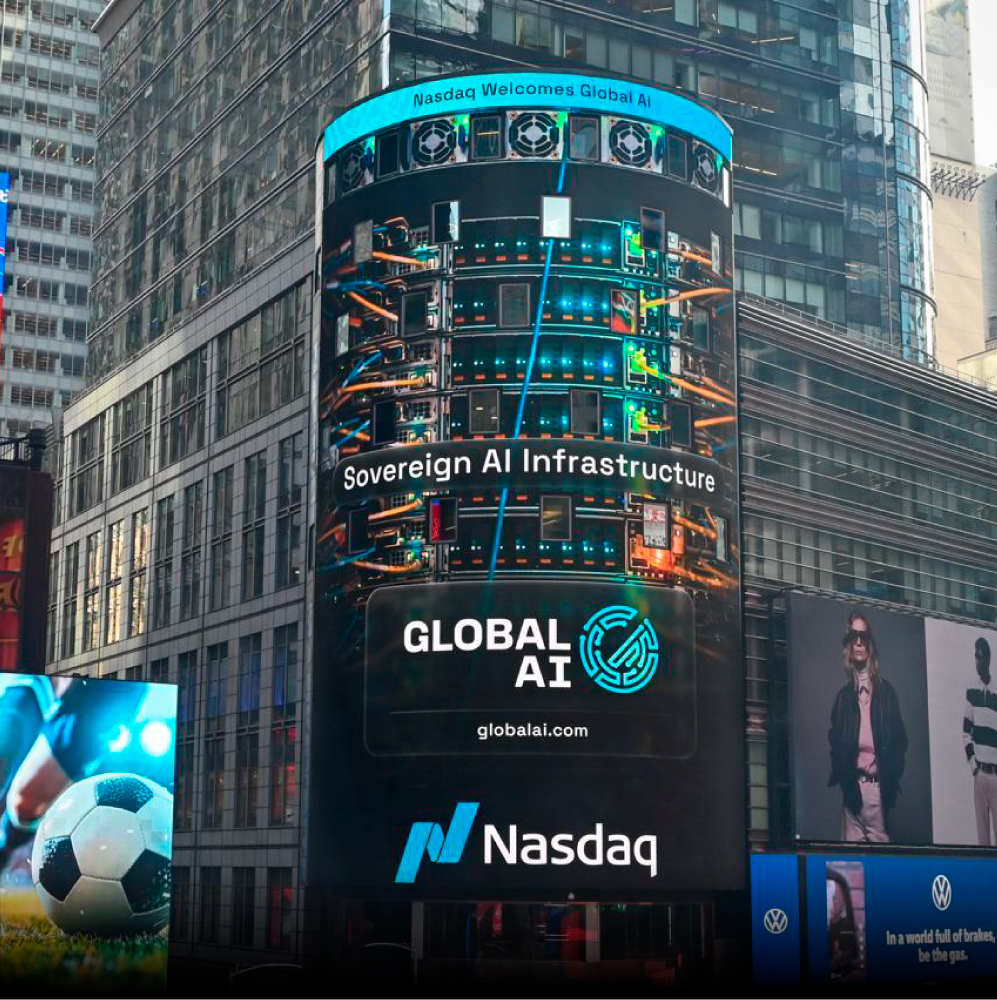
Global AI partnered with MTHD to manage their debut presence at NVIDIA GTC, turning first-time exhibitor constraints into a high-impact brand showcase and generating qualified pipeline.
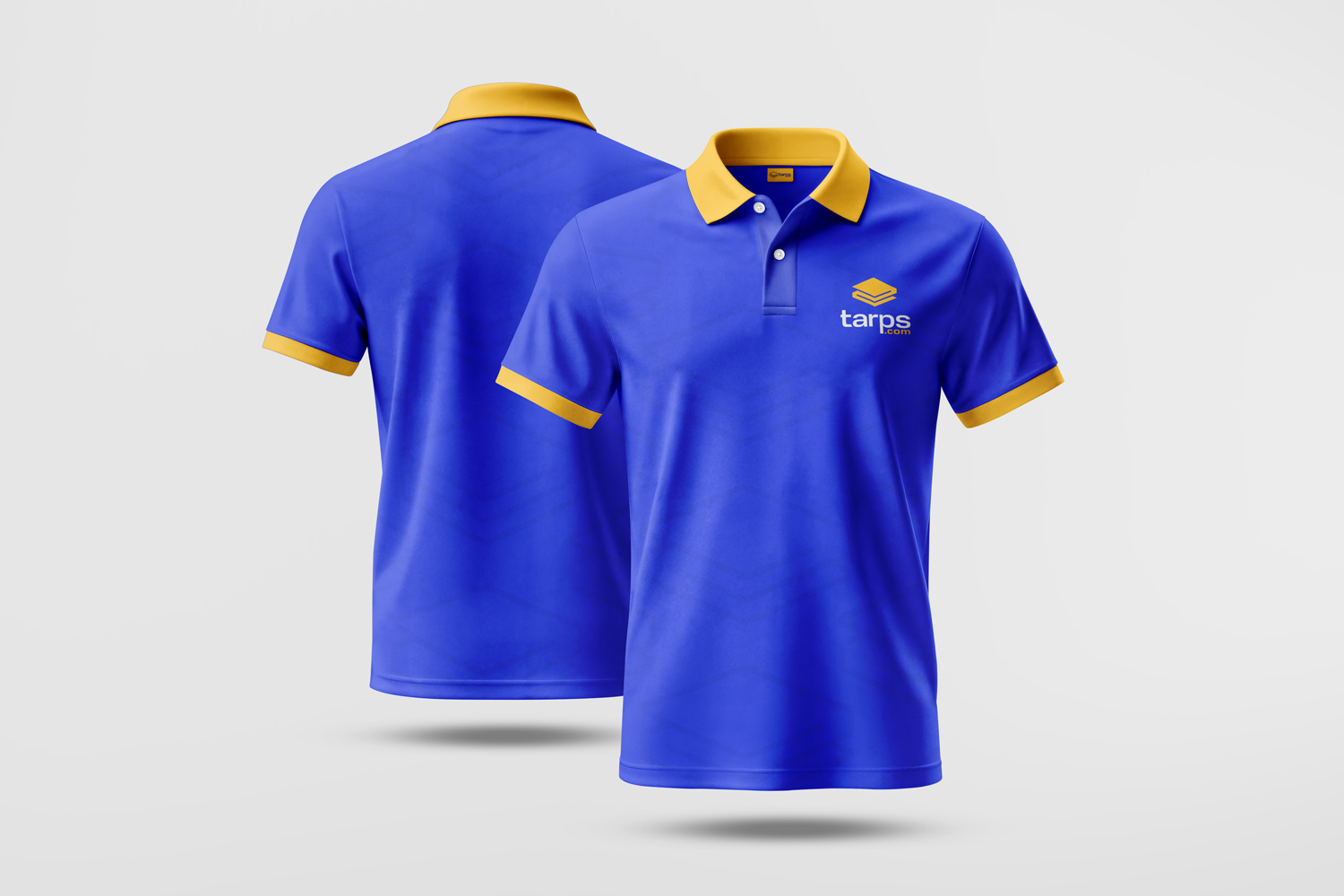
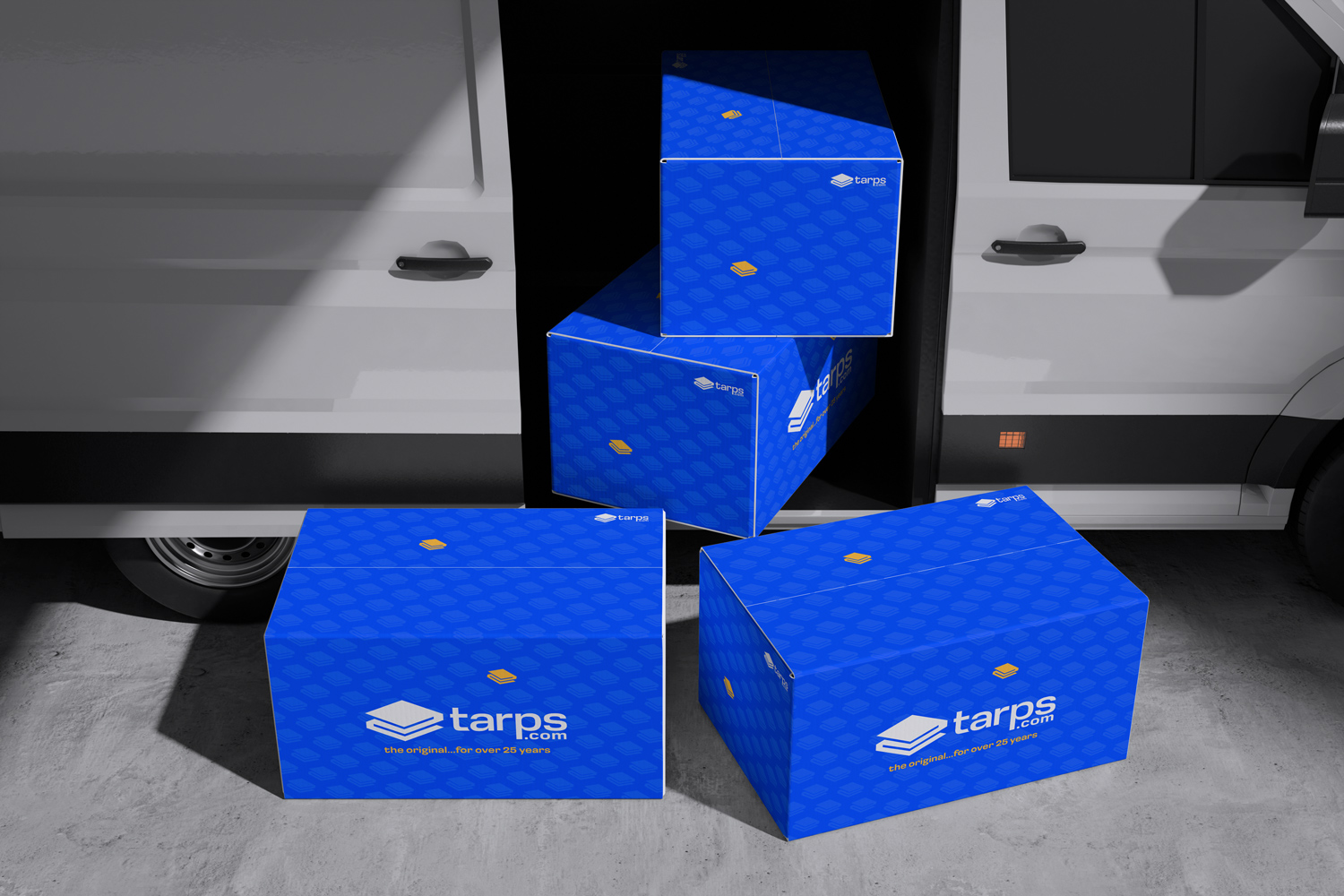
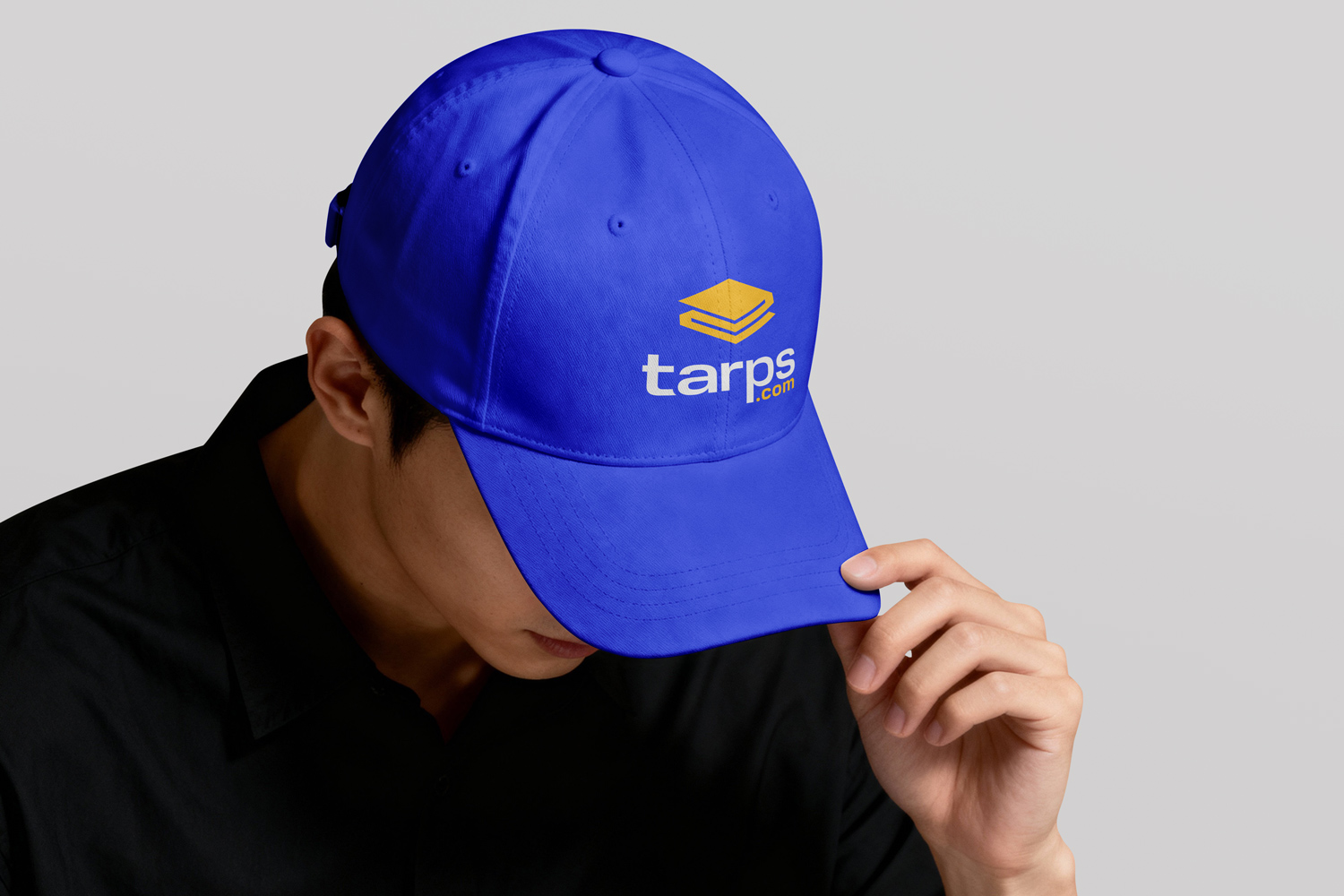
Tarps is an online retailer, delivering high-quality products for over 25 years. We completely overhauled their website, strengthened their branding and employed smarter digital marketing, making it effortless for both loyal and new customers to find and buy the right product.
Ellusionist was the first online magic store. Established in 2001, Ellusionist produces the wildest, most practical & visual magic on planet Earth. Allowing normal people to perform miracles that defy reality.
Awardy.US is the public-facing arm of the Consumer Ratings Institute, based at One World Trade Center, New York. Awardy transforms verified customer reviews into meaningful recognition, helping outstanding businesses earn the awards they deserve, without lengthy submissions, judging panels, expensive entry fees or waiting years to gain recognition.
Building a fitness brand that feels personal, Made4 creates workouts for every fitness level, that you can do anywhere.
Spot-On Entertainment is a Broadway calibre concert production and booking company based in New York City, founded by multi-award-winning performer, director, musical arranger, and producer Scott Coulter.
Most agencies have never run a business. We have. We know what it takes to start something from scratch.
Before MTHD, we built a $100m e-commerce brand from scratch, turned 150 acres of untamed land into a luxury wedding venue, and bought a brick & mortar business, rebuilt and sold it for 12x what we paid.
Three businesses.
Three industries. One pattern — us. We did it with our own money, with our talent, and every revenue-driving method we've learned along the way.


MTHD helps companies scale using the same methods we used to generate over $100M (£74M) in our own Ecommerce store.
Most founders hit the same wall. You’re too small for an in-house creative team, so you start your business & go to market with ‘good enough.’
But to be taken seriously by customers, you need to look worthy of their hard-earned money.
When cash is tight, you need high-leverage experience from senior operators like us.
People hire us for our strategy, taste, judgment and outside-the-box ideas.
For some founders, that’s brand, positioning and a sharp value proposition. For others, it’s the foundations: a website that impresses customers, a LinkedIn that looks credible, and a marketing campaign that gets attention, and isn’t dismissed as ‘AI did this.’
The whole reason for hiring experts is to take projects off-your-plate and to give you the confidence that your design, website or marketing is being handled by the right people.
MTHD gives you access to senior operators on a one-time or project basis, who look for the highest growth-levers, while protecting your budget as if it's our own.
We don't waste your money on things you don't need.

MTHD goes over and above. They just completed our website redesign and it came out looking really great, aligns with our brand, and works perfectly. Great team to work with.
MTHD Marketing Agency has been a total game-changer for our business. From day one, their team has been proactive, organized, and genuinely invested in outcomes not just “deliverables.” The creative is very strong and aligned with the brand. Everything feels intentional and captivating. Most importantly, they are always available and extremely accommodating.
The whole team at MTHD are fabulous. I am building a small business and they did so much to help set me up for success. They designed and built my website, trained me on Shopify, set up my Google Ads and gave me training on that. What really impressed me was the support and communication they continue to offer even though the website was delivered months ago. The team at MTHD are rockstars in so many areas from e-commerce, design, social media ads, marketing…they've assembled the Oceans 11 of business experts.
Top tier. I can't say enough positive things about the entire team. What impressed me most was that they never approached this as a cookie-cutter website project. If you have the opportunity to work with Geraint, Oban, Hazel, and the rest of the team, DO IT! You'll be working with people who care deeply about the outcome and are committed to creating something special.
Great experience! Geraint and his teams are cracks on Shopify and optimizing META and GOOGLE ads. They are really into data - and improving ROAS and ROI for their clients. Building a website within 2 weeks from scratch in January, lauching neurovizr.ch - customer-ready for the World Economic Forum and helping to generate over 100k gross revenue in just 6 months without significant advertising budget, speaks a strong language on optimizing your global brand and shop window to the world.
We had a really positive experience working with the team at MTHD Creative Agency to create a logo and company branding. Going in, we weren't entirely sure what direction we wanted to take, but their team was great at helping us figure it out. It felt like a true collaboration rather than just a hand-off, and we'd gladly work with them again.
I'll be with MTHD for as long as I'm in business. The team is focused and confident. They watch the bottom line and don't want you spending more than you have to. And the results. We've gained notoriety, revenue, and consistent sold-out status. If you can get in, I'd do it.
The team at MTHD did an amazing job on our website. They really pushed through on the technical things we asked for. Amazing experience with MTHD.
MTHD knows their stuff! The experience, expertise, and top-notch service they bring to the table is exactly what we were looking for! We consider Geraint and the team to be trustworthy and they have proven their value. Highly recommend!
I've worked for Ellusionist for over 20 years - and the guys behind MTHD have been working with us for 12 years. So I know them and their work very well. Safe to say, they really know their stuff. They've been able to implement some viral campaigns for us (like Pyro Mini) and structure our site to sustain us through the volatile times of covid and beyond. The level of creativity and attention to detail is astonishing.


Voted 'Marketing Agency of the Year 2025 & 2026' by The Consumer Ratings Institute.
We never intended to become an agency. For the last 12 years we worked in Ecommerce to help scale Ellusionist to over 100Million in Sales - making it one of the top 1% of Shopify stores on Earth.
After flying to Las Vegas for a business conference, it was clear to us that most other founders had no time to even think about gorgeous branding, conversion-focused websites & experimental marketing campaigns.
Business Owners are just too busy in the day-to-day running of the company to do what's needed to grow it.
There were 50 multi-millionaire founders in that room and 9 of them, after seeing what we'd done, asked us to run their design & marketing for them too.
That's how MTHD was born.
Most business owners have been burned by an agency at least once. The senior people pitch you, then hand your account to a junior. The work gets farmed out to someone cheap or comes back late.
The invoices creep up, the reports are full of “impressions”, and your emails can go unanswered for days. We know because it happened to us, again and again, over 12 years of running our own businesses.
MTHD works completely differently. The people you meet are the people who do the work, and every one of them is a Senior Operator. We agree the price before we start, and it doesn’t change, no hidden fees, no percentages.
We report on true deliverables & sales, not vanity metrics, and you’ll get regular results calls, plus access to a slack channel for faster responses.
Got questions about MTHD or what it's like to work with us? Hopefully can you find an answer here.
MTHD small business websites start from £4,095 + VAT / $5,470 and website redesigns from £10,080 + VAT / $13,470, both as flat fees agreed before work starts. Monthly retainers start from £1,500/month + VAT / $2,000/month.
MTHD manages Google Ads, Meta Ads, X ads or Linkedin Ads on a monthly retainer from £1,500/month + VAT / $2,000/month, per platform with more capacity from £3,750/month + VAT / $5,000/month for larger accounts. The ad budget itself is paid to directly to the platforms - and we do not charge any percentage of ad spend as a 'fee'.
We're not just designers & marketers - we're business owners who've generated over £74million ($100 million) in sales for companies we actually own. We use the same methods on your business that we use on ours. Plus, you'll always work with experts, not interns, and we focus on sales and profits rather than vanity metrics like impressions.
As a boutique agency, we only take on a handful of new clients at a time. This means we're able to give our full attention to new projects and get them delivered & across the line in record time. Paid ads can be live in as little as 5 days. Websites can be live in as little as 20 days. Branding can be delivered in as little as 14 days. We work with you to make sure we hit your deadlines.
Simply email us or book a free 20-minute call with us. During the call, we'll learn about your business, discuss your goals, and determine which services would deliver the best results for you. There's no obligation - just an honest conversation about how we can help you grow... And if we can't help you, we'll point you in the right direction for your budget/goals.




We’d love to speak to you more about your project. We’ll get back to you in under 2 working days with a response to your enquiry.
Alternatively if you’d like to discuss your project in person, please use the calendar below to book a call with our expert team.

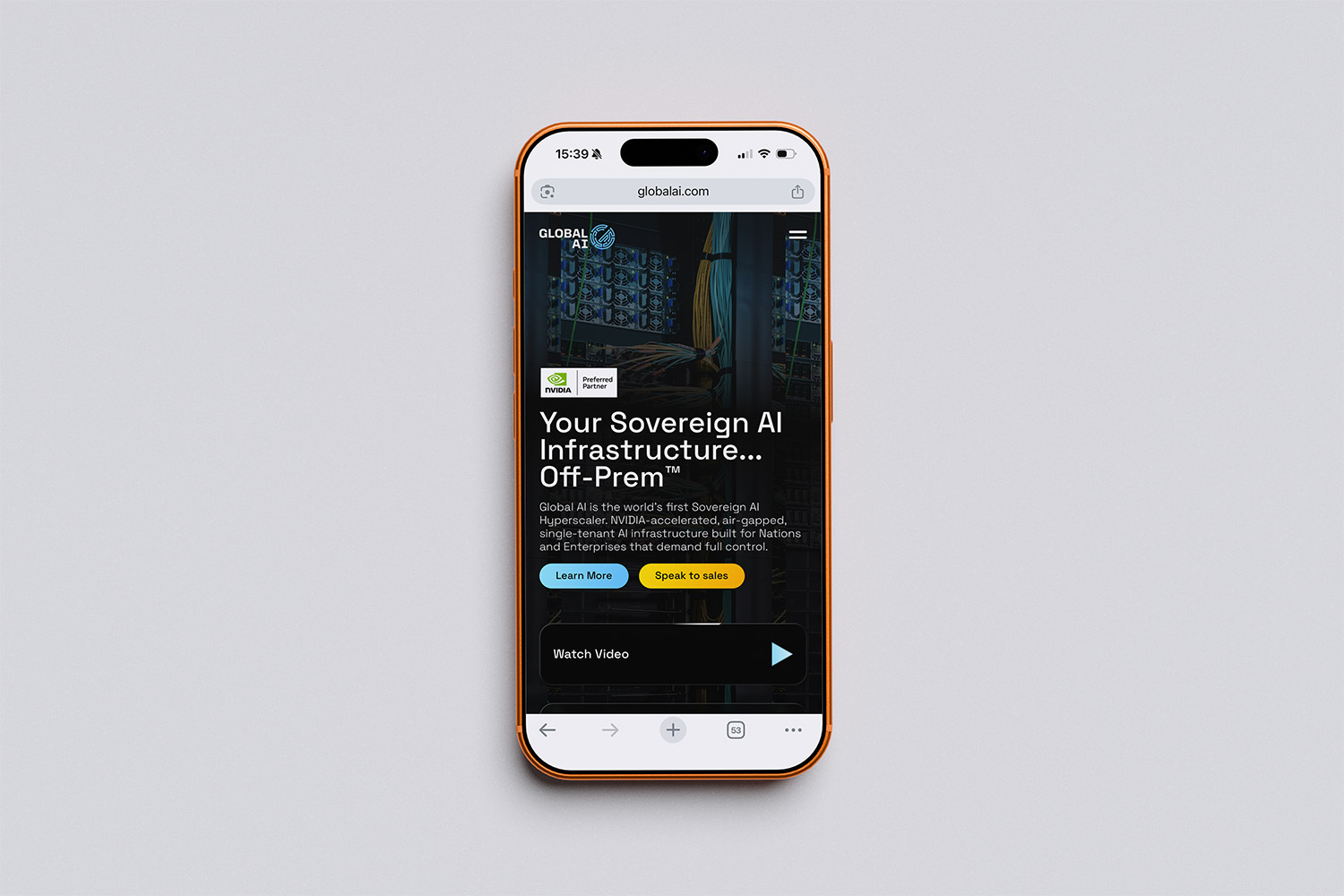
Global AI is a secure alternative to public cloud providers, partnering with enterprises and nations to deliver complete data sovereignty. They provide scalable, secure AI-ready infrastructure across an international network of state-of-the-art data centers.
Branding
Lead Gen
Marketing & Strategy
Paid Ads
Videography
Web Design
Print Design
Graphic Design
Challenges :
Having built a strong reputation in the AI space, Global AI outgrew its initial website, which no longer reflected the scale or sophistication required for enterprise engagement. The key challenge was crafting a modern, high-end digital experience for enterprise decision-makers without losing the brand's core energy and innovation. Furthermore, the website needed a flexible foundation for future growth and had to be delivered ahead of a critical live event with zero tolerance for delays.
Solutions :
We executed an end-to-end digital transformation covering strategy, wireframing, UI/UX design, copywriting, development, and launch management. The solution balanced enterprise-grade polish with a dynamic visual presentation through cleaner layouts, refined typography, and purposeful motion. An expanded sitemap simplified navigation across complex offerings, providing a solid scalable base for future expansion.
Results & Highlights :
The new website needed to feel cleaner, more premium, and enterprise-ready — while staying modern, energetic, and decidedly not "tech startup."
It also needed to be built on a scalable foundation to support continued growth. And with the launch tied to a major live event, there was zero room for delay. We delivered a complete end-to-end transformation: wire-framing and user journey strategy, full UI/UX design, copywriting, development, and launch support. The focus throughout was on balancing enterprise credibility with a dynamic visual identity. Cleaner layouts, brighter visual language, and refined typography created a polished corporate feel. Motion, pacing, and visual hierarchy kept the experience engaging. An expanded sitemap allowed Global AI to communicate its growing complexity while improving navigation for potential customers.

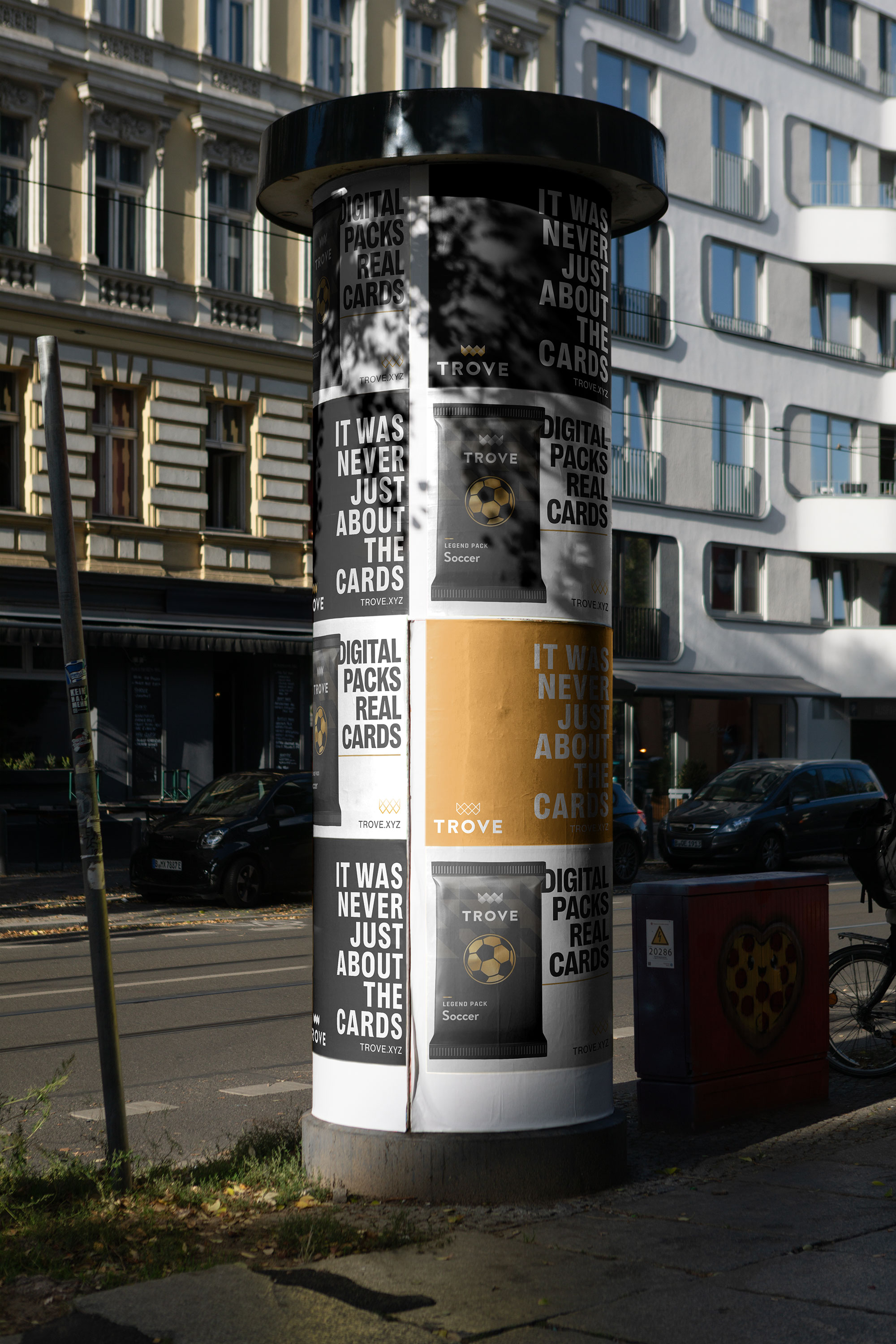
Trove's Founder exited his last company for $300million. He came to us to help brand his next venture. A passion project from his childhood. An online marketplace for PSA-graded collectible cards. We created their branding, provided web-designs & support their paid ads across Google.
Web Design
Branding
Marketing & Strategy
Paid Ads
Challenges :
Trove's founder needed help branding his next venture, an online marketplace for PSA-graded collectible cards. The challenge was to bridge the emotional pull of physical collectibles with a seamless digital experience, combining nostalgia, rarity, and the thrill of the hunt. Trove required a brand identity and website that could convey trust, authenticity, excitement, and premium value without leaning too heavily into nostalgia or over-styling the user experience.
Solutions :
Through early strategy sessions with Trove's CEO, we developed a balanced visual direction that felt modern and elevated while tapping into the language of treasure hunting and discovery. We built an intentionally restrained, clean, minimal aesthetic designed to frame the collectibles and let them remain the hero. We delivered a complete brand foundation, including logo design, brand identity, website design & wireframes, creative direction, ad copy suggestions, and ongoing Google ads.
Results & Highlights :
A stripped-back interface, balanced typography, and a minimal colour palette created clarity and reinforced a premium feel.
Every element was developed to feel cohesive across the brand's physical and digital presence, ensuring Trove could launch with a clear point of view and a strong sense of legitimacy from day one.
Data Gnome is an AI-powered chat and workflow automation platform built for enterprise clients, with a focus on law firms of 500–1,000+ employees. They approached us seeking creative direction, a complete brand design and future facing strategy to help close Enterprise deals. They wanted to look like the obvious choice - and now they do.
Branding
Challenges: Data Gnome came to us as a newly formed business with little more than a name and a powerful product. The brand needed to feel approachable yet credible — sitting comfortably within the SaaS tech space while helping Data Gnome build trusted relationships with its clients.
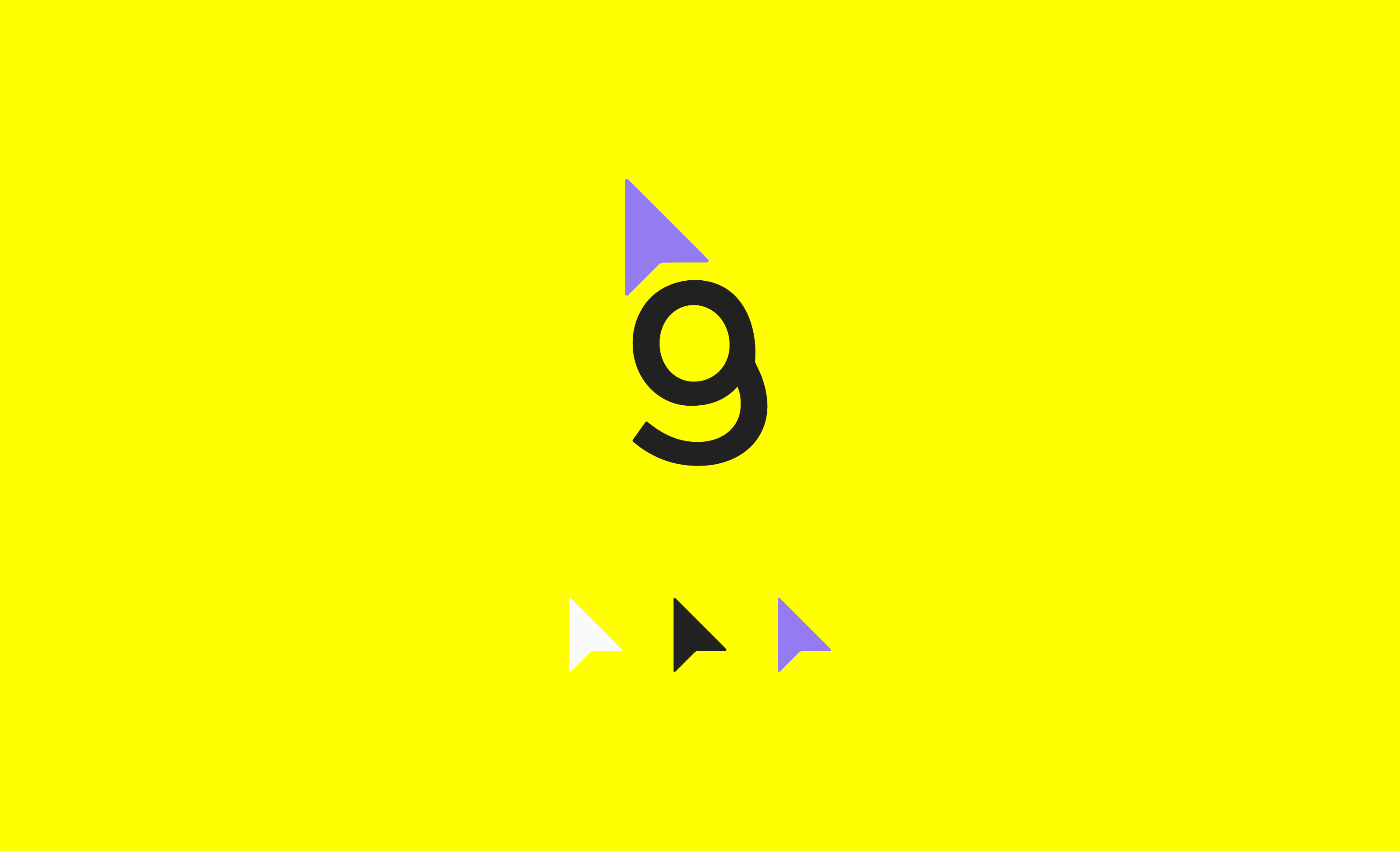
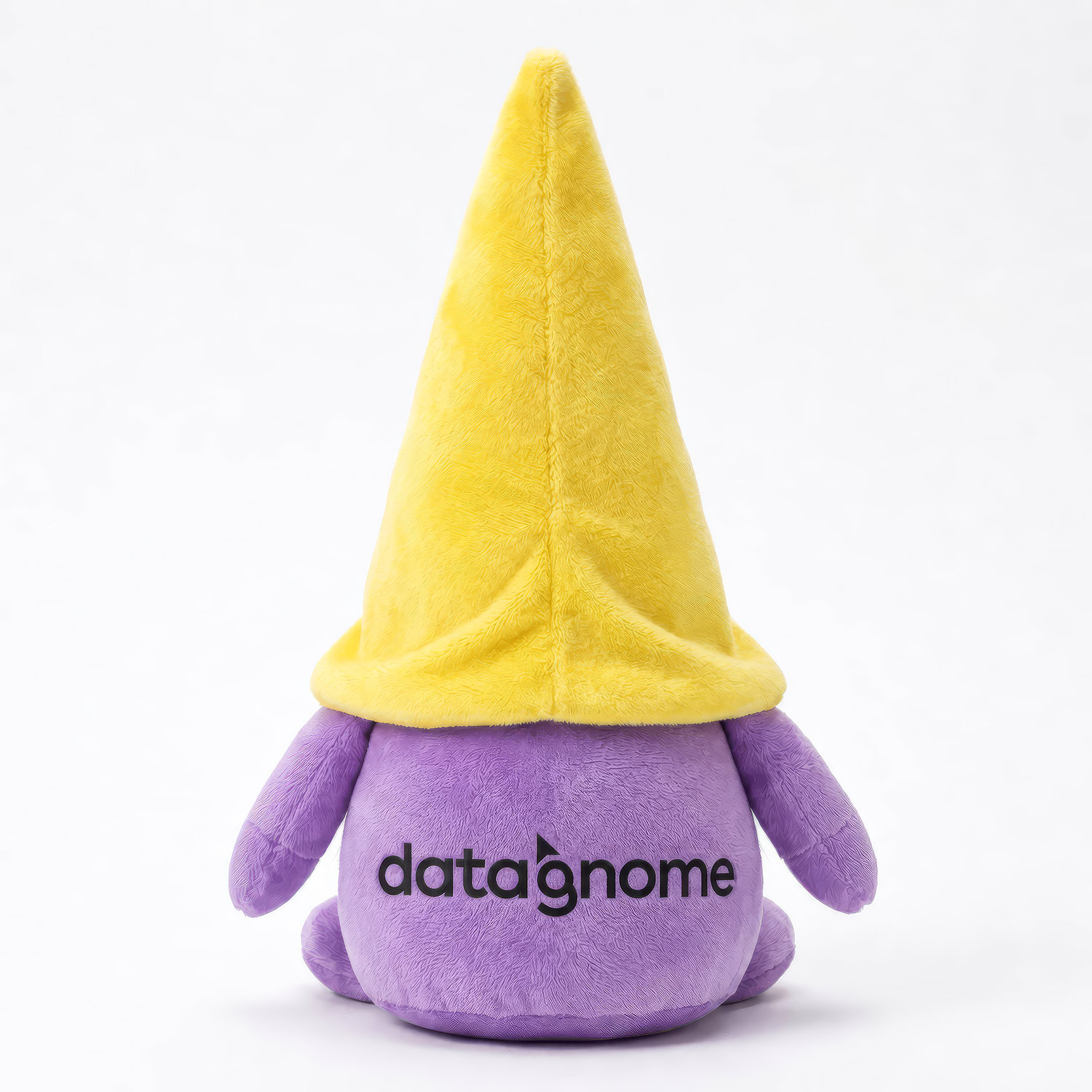
Solutions: Our role was to develop, strategize, and design their brand from the ground up, shaping every aspect of how they would show up in the market by tying every decision to their target outcomes. Because data retrieval sits at the heart of the platform, we leaned into the metaphor: like a gnome mining for treasure, Data Gnome unearths the right information from inside colossal data sets and delivers it quickly to the user. We created an abstract gnome character built from a custom "g" letterform, its curves forming the face and beard with a cursor as the gnome's hat. To set them apart from the sea of purple and blue SaaS competitors, we paired the mark with a bold, distinctive yellow-centric color palette and built out a full brand system featuring custom typography, gradients, supporting graphics, and use-case guidelines.
Results and Highlights:
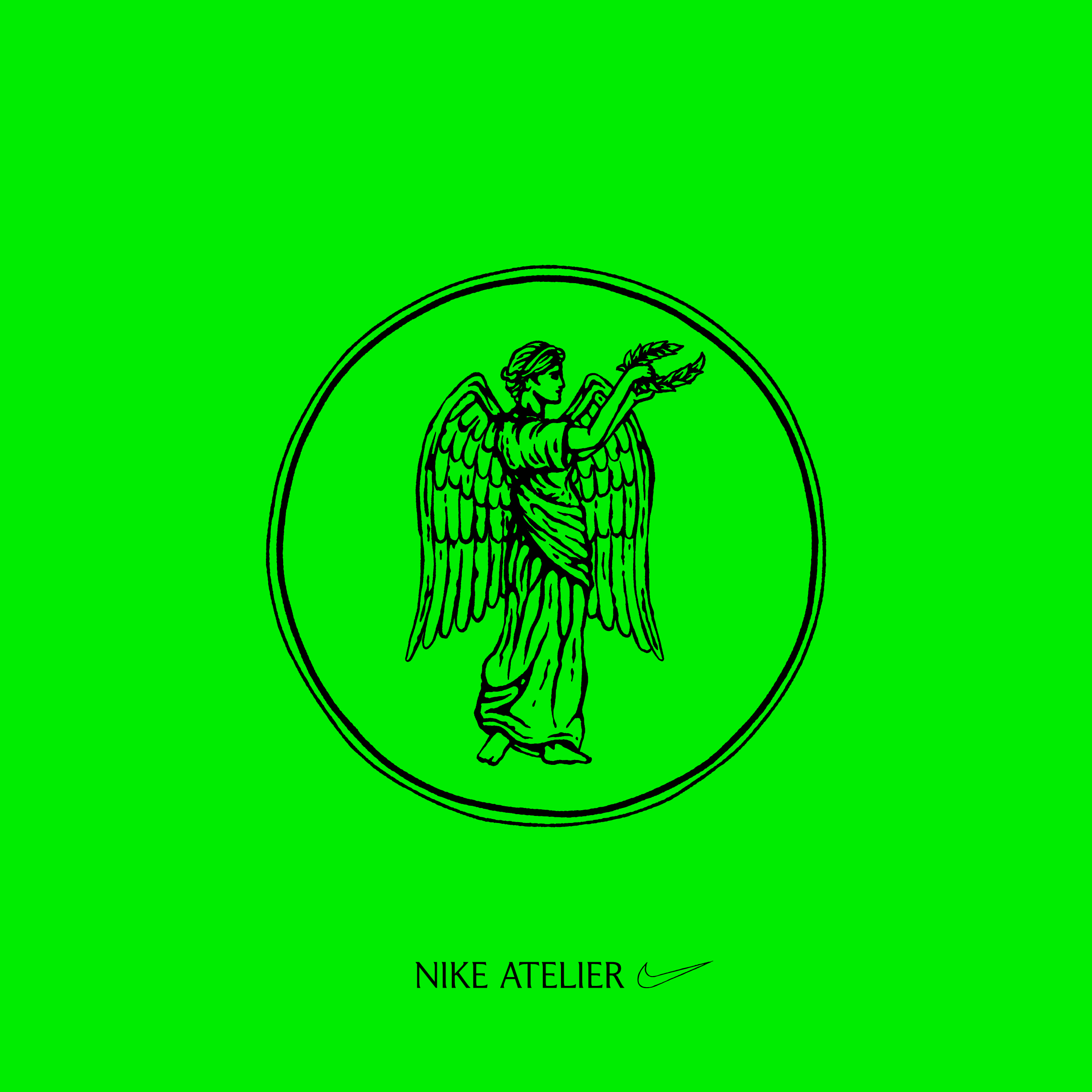
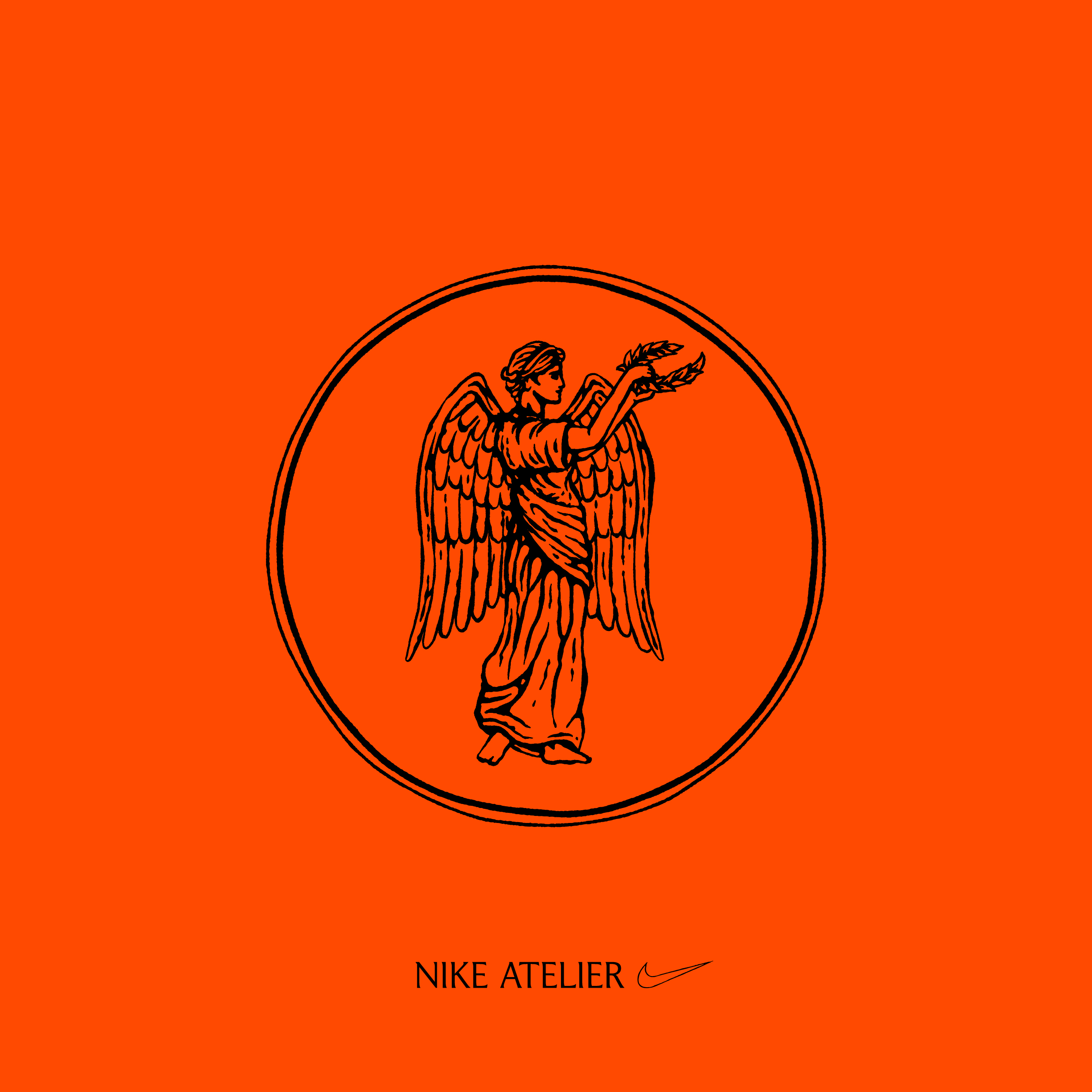
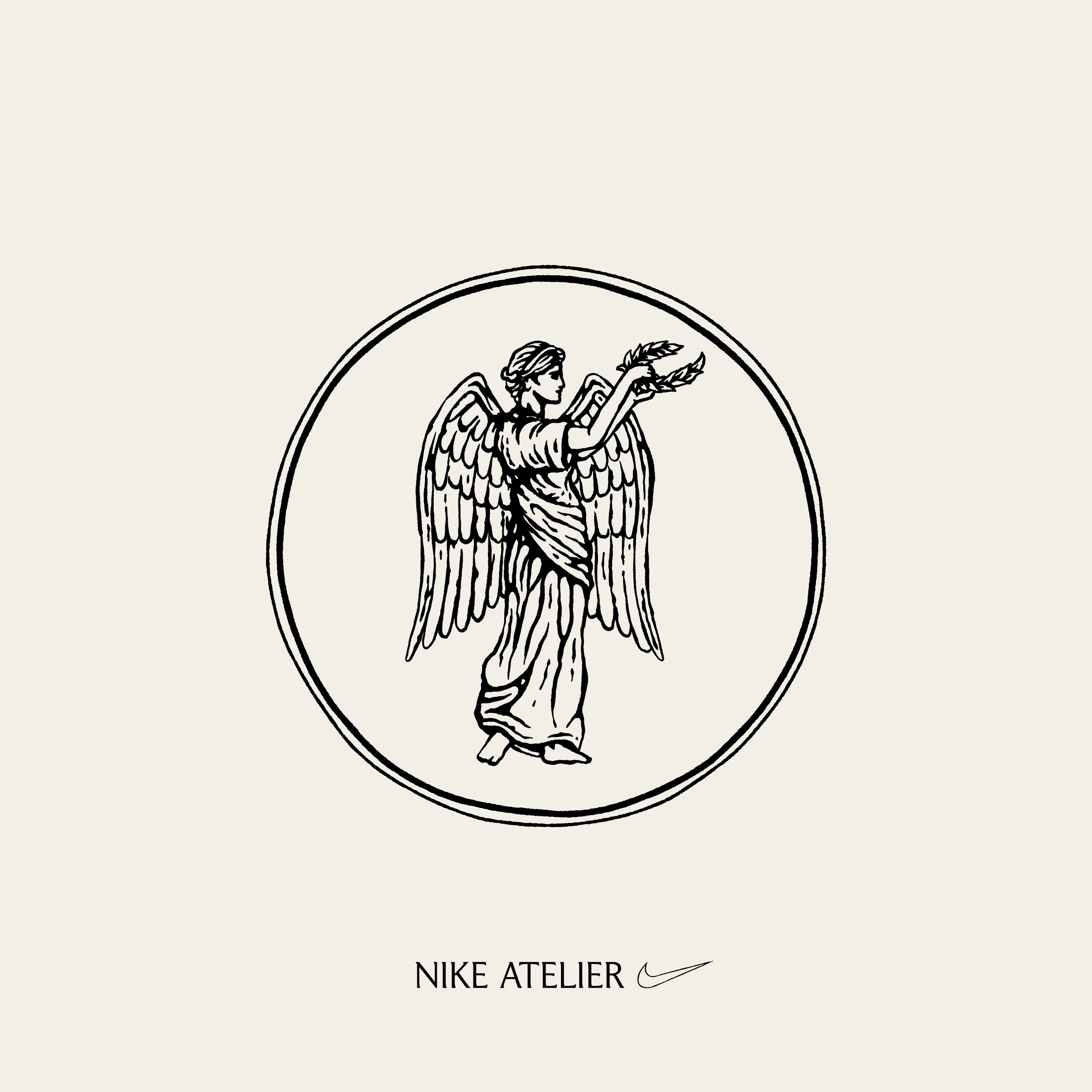
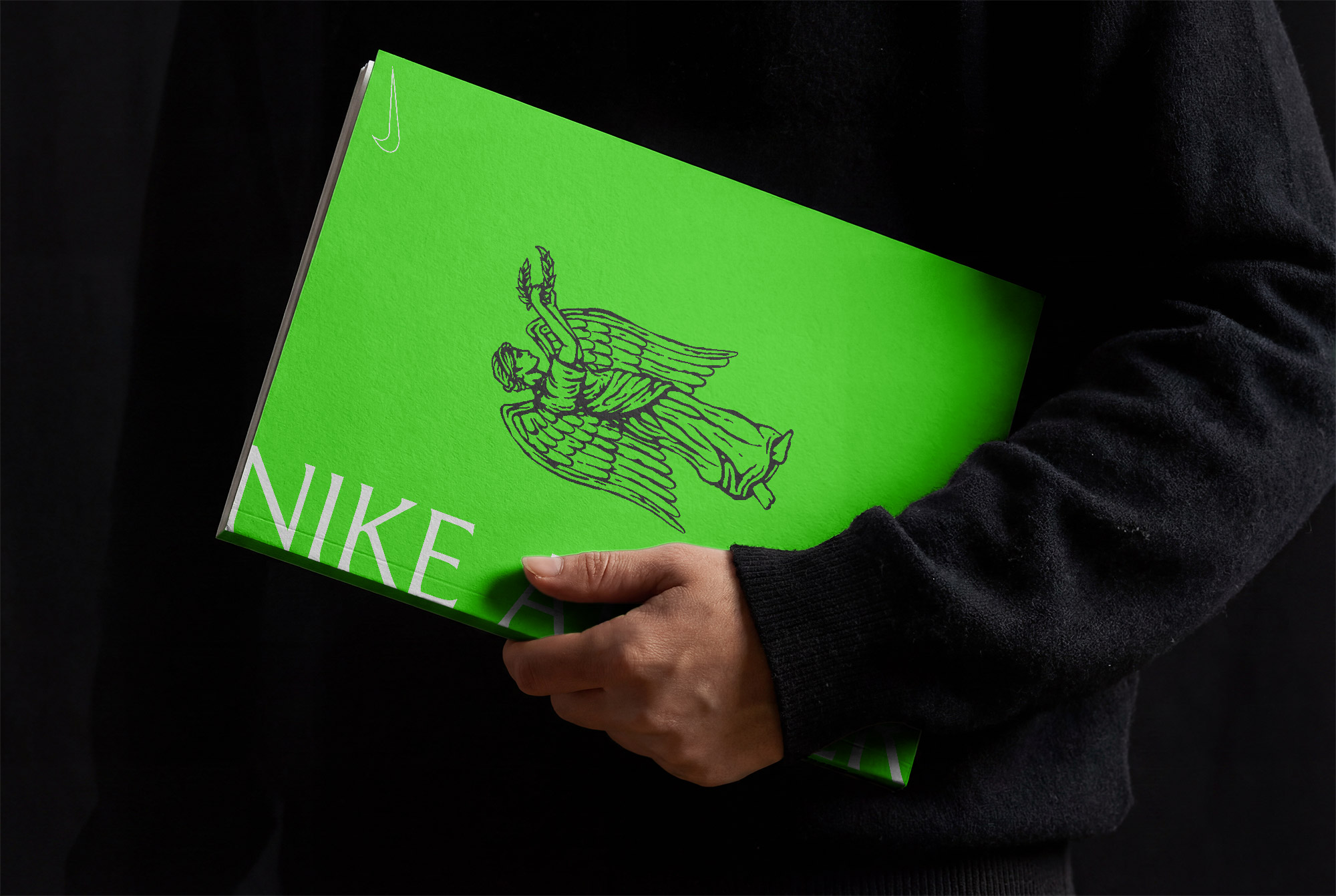
Nike's agency reached out to our creative director for help. They wanted a custom illustration to help elevate Nike's new high fashion sub-brand... and we were more than happy to oblige. You may have seen this used by Tennis Legends Maria Sharapova or Jannick Sinner.
Branding
Working with Billion-dollar brands like NIKE, Brewdog, Sky & Global AI is an honor for us - but our speciality is doing custom branding and websites for Founder-led or fully-funded (series A to D) businesses looking to scale.
Mission Athletics is a next-level training complex that launched in Cedar Rapids from serial entrepreneurs with Venture funding. We did their branding, website & run their paid ads across Meta to secure leads & serious members. This is not a gym, this is where NCAA & Olympic athletes are forged.
Branding
Web Design
Marketing & Strategy
Paid Ads
Lead Gen
Challenges :
Mission Athletics is building a world-class facility but lacked a brand identity and online experience to match.
Solutions :
We upgraded their logo to reflect strength and precision, created a high-impact website showcasing their facility and programs, wrote copy that inspired athletes of all levels, and built a social media plan focused on community, culture and performance. We created a collection of branded apparel to help foster a sense of community amongst the athletes and prospective clients. We also designed and structured an in depth facility brochure improving the professionality and effectiveness of the Mission Athletics' sales process.
Results and Highlights :
• Cohesive brand identity that reflects elite performance.
• New website launched with strong visual impact and clear pathways for membership.
• Social content strategy driving engagement and community growth.
• Mission Athletics now stands as the region’s leading destination for serious athletes.
"The creative is very strong and aligned with the brand. Everything feels intentional and captivating. Most importantly, they are always available and extremely accommodating."
We partnered with Mission Athletics to elevate their brand and digital presence. This included a full logo refresh, complete website design and build, print, signage and brochure design, copywriting across all web pages, plus a new social media strategy. Their mission is to help athletes unlock their full potential through expert coaching, high-performance equipment and a culture of discipline.



Global AI partnered with MTHD to manage their debut presence at NVIDIA GTC, turning first-time exhibitor constraints into a high-impact brand showcase and generating qualified pipeline.
Branding
Lead Gen
Marketing & Strategy
Videography
Web Design
Challenges :
Exhibiting at NVIDIA GTC in San Jose for the first time presented significant obstacles. As a first-time exhibitor, Global AI faced strict structural guidelines, standardized turnkey booth formats, and limited floor presence in a crowded, noisy arena alongside multi-billion dollar tech brands. To establish brand recognition and demonstrate immediate compute capacity, Global AI needed to break through event constraints without violating strict event compliance rules.
Solutions :
MTHD took end-to-end control of Global AI's presence, managing strategy, visual assets, digital conversion, and on-site execution. MTHD engaged early with NVIDIA event organizers to navigate turnkey restrictions and maximize booth design impact. To capture floor attention, MTHD deployed dual-screen video systems displaying brand mission and capacity roadmaps, alongside high-value, custom-designed merchandise—including LEGO GPU rack kits, recycled steel water bottles, and oversized holographic shopping bags. This physical presence was amplified by concourse banner QR integration, a dedicated event microsite, out-of-home takeovers at Nasdaq Tower and NYSE, and hands-on floor management and lead qualification by MTHD and custom-apparel-clad sales staff.
Results & Highlights :
Tarps is an online retailer, delivering high-quality products for over 25 years. We completely overhauled their website, strengthened their branding and employed smarter digital marketing, making it effortless for both loyal and new customers to find and buy the right product.
Branding
Web Design
Marketing & Strategy
Paid Ads
Lead Gen
Challenges :
The tarps.com branding was a hangover from the early days of the internet—a tired and dated relic that no longer served their modern, growing business. Additionally, the website user experience hindered conversions, requiring a complete overhaul to help both loyal and new customers easily find and purchase the right products.
Solutions :
We fundamentally restructured the way Tarps approaches customers by bringing their variety and quality of products to the forefront of their sales process. Our experts focused on creating an attractive, intuitive UI built to convert, complete with easy-to-navigate layouts, clear product offerings, smarter product filters, and streamlined collection pages. Alongside the website relaunch, we refreshed their brand identity by refining fonts, adding vibrancy to the color palette, and modernizing their logo. Furthermore, we launched targeted paid ad campaigns focusing on high-intent buyers and best-selling products.
Results and Highlights :
Our work across brand development, website design and paid ad campaigns delivered tarps best sales year in over 25 years of online retail.
The tarps.com branding was a hangover from the early days of the internet - a tired and dated relic that no longer served their modern growing business. We refined their fonts, brought vibrancy to their colour palette and gave their logo a much needed facelift. By rolling this sleeker, high energy brand into their website relaunch, we breathed new life into their online presence. This could immediately be felt in their sales performance.

Ellusionist was the first online magic store. Established in 2001, Ellusionist produces the wildest, most practical & visual magic on planet Earth. Allowing normal people to perform miracles that defy reality.
Branding
Lead Gen
Marketing & Strategy
Paid Ads
Videography
Web Design
Graphic Design
Print Design
Ellusionist was established in 2001 as the first online magic store, aiming to market over 600 products from scratch. To succeed in today's attention economy, the brand needed to capture customer interest quickly, establish brand values, and overcome tight budgets for video production and marketing campaigns.
Using Ellusionist as a test-bed for over two decades, cutting-edge campaigns and experimental ideas were used to hone marketing skills. A major rebranding effort was undertaken in 2023, touching every visual and foundational aspect of the business. Additionally, over 1,000 videos were scripted, filmed, and edited in-house by small crews of 3 to 5 people on tight budgets to drive sales across Kickstarter and E-commerce platforms.
Results & Highlights :
With over 1,000 videos produced and 600 products launched for Ellusionist, our our tight productions and expertise have gained us huge results, driving over $100m in revenue.
Dominating the niche: Not many people know this, but there is an underground industry that sells the secrets to magic tricks. Normal people can learn them to impress anyone they meet. It’s a very niche market, with a limited interest, but one we’ve dominated for decades. Our branding, our marketing, our production gets copied by the competition on a daily basis. When we move, they move.






Awardy.US is the public-facing arm of the Consumer Ratings Institute, based at One World Trade Center, New York. Awardy transforms verified customer reviews into meaningful recognition, helping outstanding businesses earn the awards they deserve, without lengthy submissions, judging panels, expensive entry fees or waiting years to gain recognition.
Branding
Marketing & Strategy
Paid Ads
Print Design
Web Design
Challenges: The ambition was simple but disruptive: create a platform that recognises exceptional businesses based on genuine customer reviews, removing the traditional barriers of award programs.
The challenge for MTHD was to create a distinctive brand capable of communicating trust, credibility and commercial value from day one, while supporting the launch of an entirely new business. The new business needed more than just a logo; it required a complete brand identity that could establish authority in a competitive market, explain a novel proposition clearly, and inspire businesses to view awards as an active commercial growth tool rather than a standard marketing exercise.
Solutions: To build an identity that felt premium, trustworthy, and ambitious while remaining accessible to businesses of all sizes, MTHD partnered with the founders from the earliest stages to craft the entire customer experience from concept to launch. We developed a comprehensive brand strategy and positioning, created the logo and visual identity, designed and built the website, mapped out the customer journey, designed custom trophies and awards, edited launch videos, and produced digital advertising creative. The Awardy logo was designed with hidden meaning: its letter 'A' contains a subtle upward arrow representing growth through increased sales, stronger customer perception, greater trust, and improved team morale. Additionally, we crafted an intuitive digital experience that clearly explains the platform's verification process, guiding visitors seamlessly from curiosity to engagement, supported by consistent digital ad campaigns highlighting Awardy's reputation-earned recognition model.
Results & Highlights
Awardy launched with a confident brand, a distinctive visual identity and a digital platform designed to support growth from day one.
By combining strategic branding, thoughtful user experience and compelling creative, MTHD helped transform an ambitious idea into a credible business ready to earn recognition in its own right.


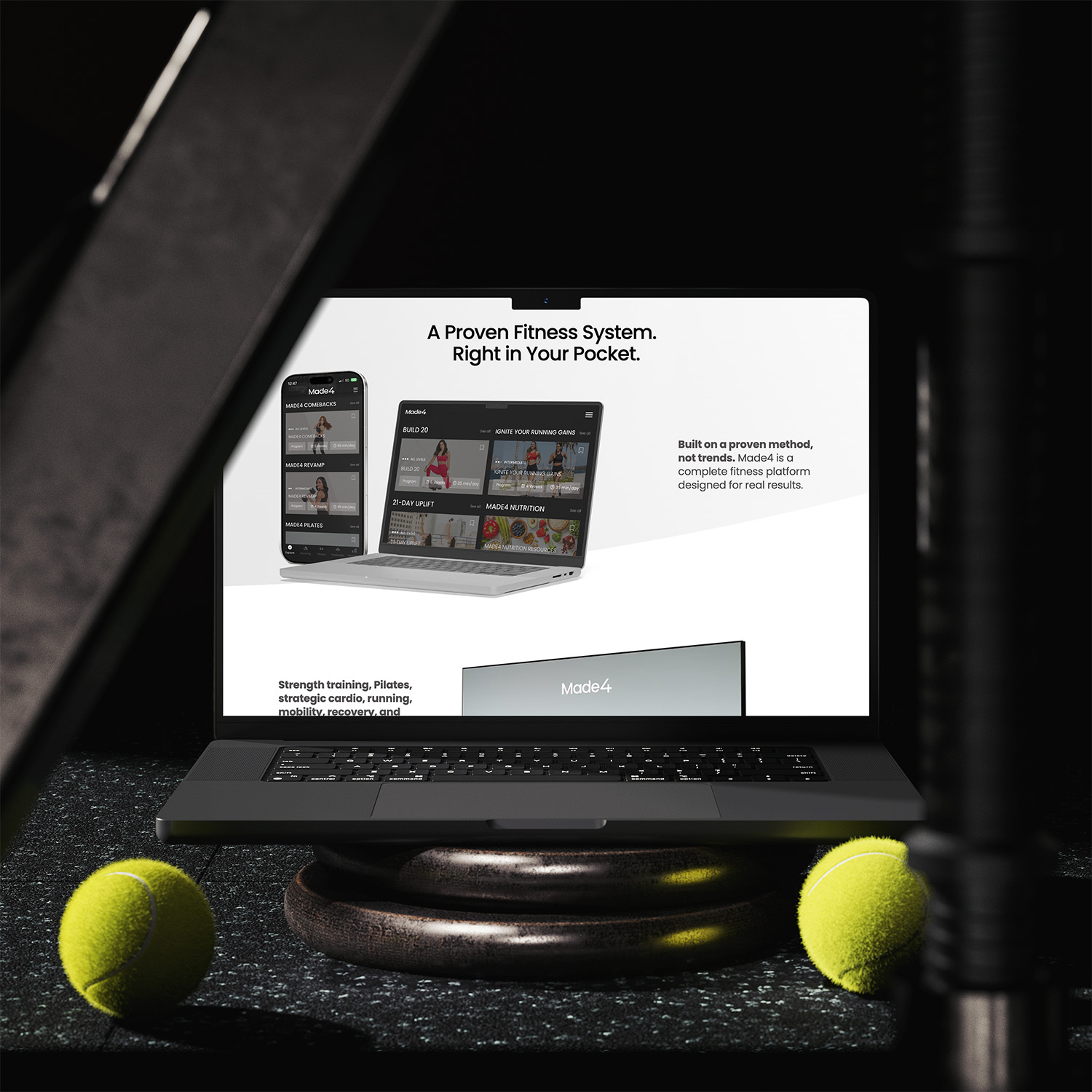
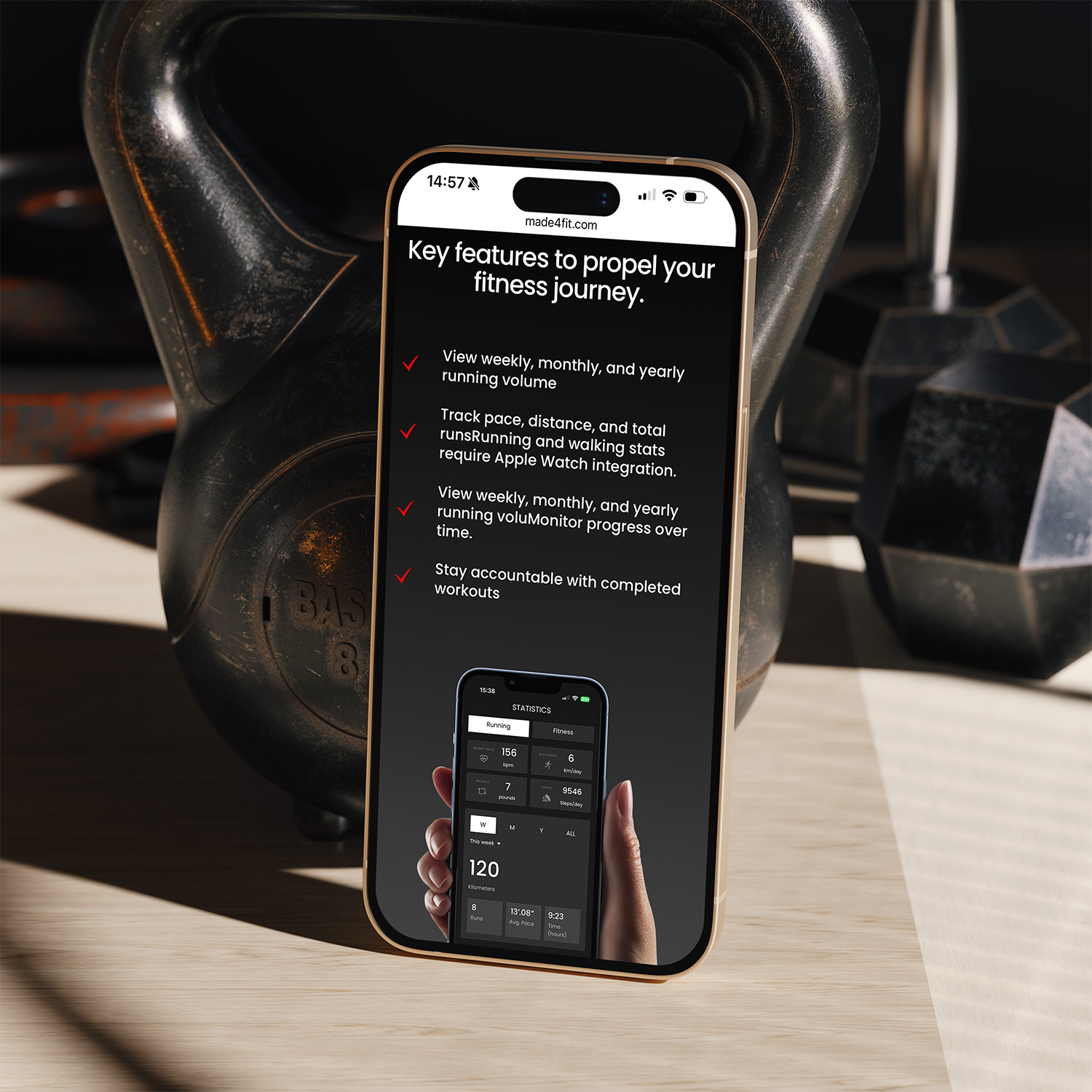
Building a fitness brand that feels personal, Made4 creates workouts for every fitness level, that you can do anywhere.
Graphic Design
Web Design
Paid Ads
Branding
email marketing
Challenges:
The problem wasn't the product. The problem was that every customer was getting the same experience. The brand lacked a clear identity, the website wasn't communicating the value of the app, email marketing had become ineffective due to deliverability issues, and new users weren't given a personalised journey after downloading the app.
We rebuilt the entire digital experience. Instead of simply explaining features, every page was written to reinforce the idea of a personalised fitness experience.
Solution:
We designed and developed a completely bespoke website that reflected the new positioning, got their emails firing as they should, and unlocked new opportunities inside their app platform.
Missing Opportunities: Their emails weren't performing like they should and the biggest missed opportunity sat inside the app itself.
Unfortunately, Made4's emails weren't even reaching inboxes. Their sending domain had developed a poor reputation, causing campaigns to land in spam before customers ever saw them. We rebuilt the entire email ecosystem. That included migrating subscriber lists from Kajabi into Klaviyo, creating five high-impact automated customer journeys, writing & designing every email, and developing the automation strategy. Before launching, we implemented a full domain warm-up to rebuild sender reputation and restore deliverability. Without solving that problem first, even the best emails would never have been read.


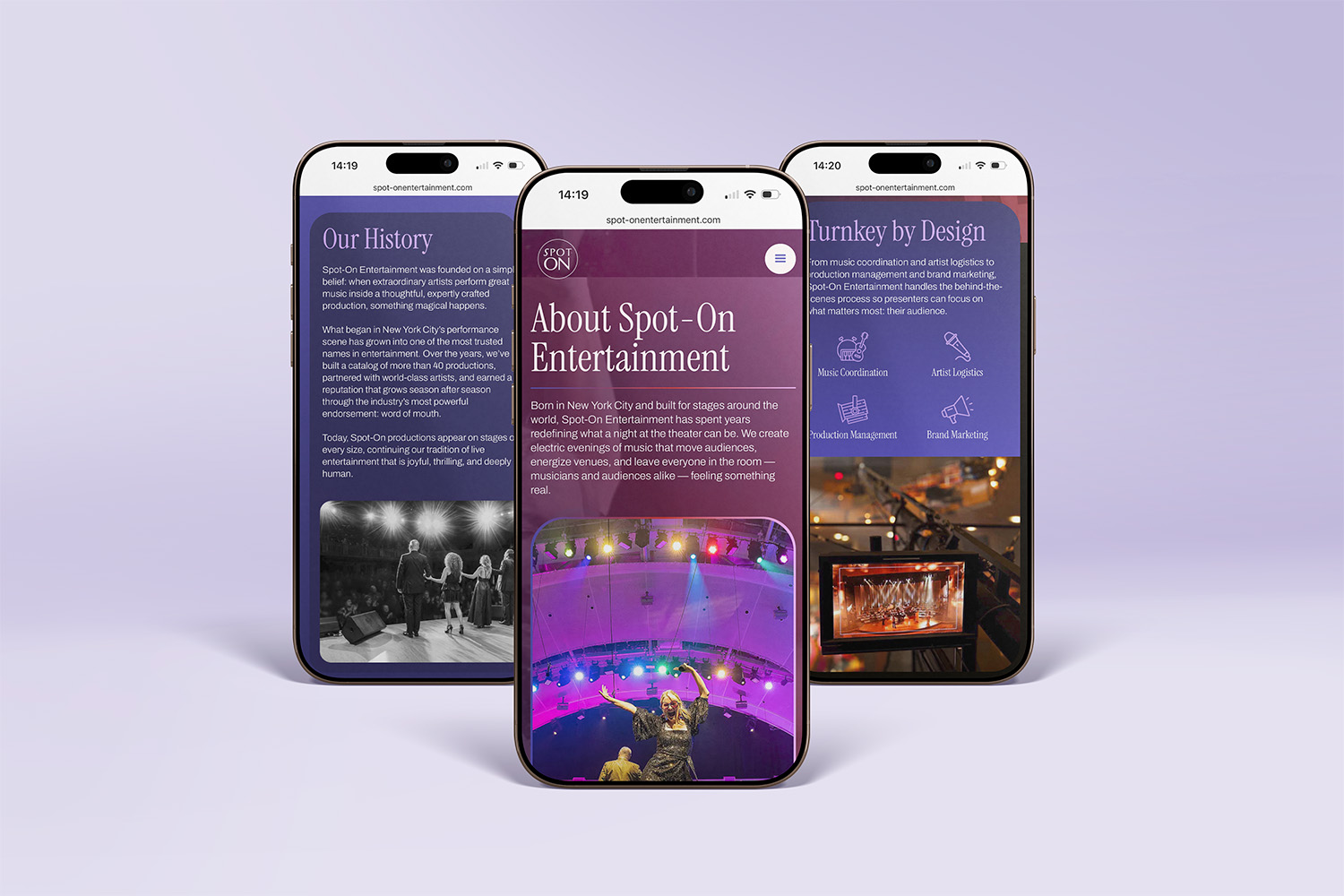
Spot-On Entertainment is a Broadway calibre concert production and booking company based in New York City, founded by multi-award-winning performer, director, musical arranger, and producer Scott Coulter.
Branding
Web Design
Print Design
Challenges :
Spot-On Entertainment’s existing website failed to reflect the high calibre of their work or effectively communicate the scope of their services. Their key challenge was establishing a digital presence that positioned them as a world-class, premium production partner without appearing unapproachable or exclusive.
To drive bookings and enquiries, the company needed a compelling sales tool tailored specifically to producers, presenters, and venue operators. Additionally, they sought to avoid traditional theatre clichés, requiring a contemporary visual identity that evoked the excitement of live performance while conveying absolute professionalism.
Soliutions :
We completely redesigned and rebuilt the website from the ground up, beginning with comprehensive competitor analysis, user experience planning, and detailed wireframing. The new architecture streamlines the visitor journey, clearly outlining Spot-On’s scalable productions, customizable show packages, and collaborative process.
To match their creative excellence, we developed a sophisticated visual language featuring cinematic design, bespoke animations, and energetic media integration. Coupled with refined storytelling and a robust, easy-to-manage custom CMS, the new site empowers the Spot-On team to seamlessly update their portfolio as they grow.
Results & Highlights :
"Top tier. I can't say enough positive things about the entire team."
"We came to them with years of content, ideas, and knowledge. We had a clear vision of where we wanted to go, but we weren't sure how to get there and how to best tell a cohesive online story with our website. From the very beginning, the team listened. They took the time to understand our organization, researched our industry, and offered a solution that not only addressed our unique challenges but also elevated the way we present ourselves online. What impressed me most was that they never approached this as a cookie-cutter website project. They were incredibly patient collaborators who worked alongside us to discover what truly makes our organization different, and then built a website that reflects who we are and why we continue to grow as a boutique organization. This isn't just a team of experts but a team of creative collaborators. They don't respond with, "No, that won't work." Instead, they ask, "What if we tried this?" . . . "Or this." That mindset made the entire process exciting and genuinely collaborative. If you have the opportunity to work with Geraint, Oban, Hazel, and the rest of the team, DO IT! You'll be working with people who care deeply about the outcome and are committed to creating something special."

Insights
Marketing
Positioning
Looking for a B2B SaaS marketing agency? Avoid expensive missteps by spotting these 5 agency red flags before you sign a retainer contract.
In modern marketing, there is a dangerous temptation whispering in the ears of C-suite executives: What if we could create a new iconic asset for a fraction of the cost, using AI?
On paper, it’s an attractive mathematical equation. Why deploy production crews, book physical locations, and pay for weeks of meticulous post-production when an advanced algorithm can generate thousands of video clips in a matter of days?
But as global giant The Coca-Cola Company recently discovered, cutting corners on human creativity will always cost a brand more than it saves.
The intense public backlash over Coca-Cola's fully AI-generated "Holidays Are Coming" Christmas commercials serves as a stark warning to the business world: Efficiency is a metric, but resonance is a feeling. And when you swap human intuition for an algorithmic shortcut, consumers can taste the difference.
For decades, the crimson Coca-Cola trucks rolling through snowy landscapes have signalled the definitive start of the festive season. A wholesome and comforting Christmas tradition like putting up the tree, wrapping gifts and avoiding conversations with THAT uncle. It is an advertising legacy built entirely on warmth, community, and pure nostalgia.
When the brand decided to remake this classic campaign using generative models, the corporate justification centered on speed and scale. A small tech-focused team churned out tens of thousands of clips in a compressed timeframe. On paper, it looked like a massive victory for operational efficiency.
On screen, however, it fell into the uncanny valley, and left customers as cold as the generative actor's lifeless, glassy faces.
Viewers immediately called out the lifelessness of the ad: wheels that glided without turning, background physics that defied gravity, and dead-eyed, dreamlike characters that felt completely soulless. Instead of evoking holiday cheer, the ad felt alienating, leading to widespread social media mockery and threats of brand boycotts.
The lesson here isn't just that the technology had technical glitches. The lesson is that the brand fundamentally misunderstood why the original ad worked in the first place.
A machine can analyze thousands of successful historical campaigns and predict exactly what elements a holiday ad should have: snow, red trucks, smiling faces, and bright lights.
But AI lacks a critical business asset: human intuition.
• Perceived Effort Matters: Audiences respect craftsmanship. There is an intrinsic value to knowing a real crew captured a real moment. When a billion-dollar brand makes a premier campaign look like it took a few text prompts to generate, consumers feel cheated. It breaks the unwritten emotional contract between the brand and the audience..
• The Contradiction of Identity: Coca-Cola’s overarching brand tagline is "Real Magic". Flooding the market with synthetic, automated media creates a jarring corporate paradox. If your brand promise is rooted in authenticity, outsourcing your storytelling to a cold predictive model damages your core identity..
• The Intangible Spark: Great advertising requires taste, cultural sensitivity, and emotional risk. A machine only knows what has already been done. It cannot feel the specific cultural temperature of a room, nor can it understand the messy, beautiful reality of human celebration..
AI is an extraordinary tool for optimizing workflows, sorting logistical data, and generating rough internal concepts. But using it as an absolute replacement for the human creative process is a massive corporate gamble.
When massive companies view creative output purely as a "cost to be minimized" rather than an "investment to be protected," they lose their cultural capital. They trade long-term customer trust for a short-term dip in production expenses.
The highly successful businesses of tomorrow will not be the ones that automate their entire creative department to save a dollar. They will be the ones that protect the sacred role of the human artist, using technology to lift their heavy operational burdens while keeping real human intuition squarely in the driver's seat.
Insights
Marketing
Looking for a B2B SaaS marketing agency? Avoid expensive missteps by spotting these 5 agency red flags before you sign a retainer contract.
There is a familiar anxiety rippling through the creative and marketing industries right now. Every morning brings a new headline about a generative tool that can write an entire ad campaign in ten seconds, generate photorealistic storyboards from a single text prompt, or build an entire social media calendar with a click. If you listen to the extreme hype, human designers and marketers are on the brink of being obsolete.
But if you look closely at history, we’ve been here before.Generative AI isn’t the end of creative and marketing expertise. It is simply the next major iteration of our toolkit and following in the exact footsteps of revolutionary tools like Adobe Photoshop and Hootsuite.
AI is a powerful assistant, but remains a pretty terrible replacement for real experience.
When Photoshop debuted in 1990, traditional airbrush artists and darkroom technicians feared for their livelihoods. They argued that digital manipulation wasn't "real" art and that anyone with a computer could now be a designer.
A couple of decades later, the rise of social media management tools like Hootsuite triggered a similar panic. Suddenly, anybody could schedule a hundred posts across five platforms simultaneously. Legacy agencies worried that automated scheduling would commoditise public relations and community management.
Photoshop didn’t eliminate the need for a well trained eye in composition, color theory, or visual storytelling. Hootsuite didn’t replace brand strategy, audience psychology, or crisis management.
Instead, these tools did something better: they removed the friction of execution. They took the tedious, manual labor out of the process, allowing experts to scale their ideas faster than ever before. AI is doing the exact same thing today.
AI models are incredibly sophisticated prediction engines. They look at vast amounts of historical data and calculate what pixel or word should logically come next. But marketing and design do not live in a vacuum. High-impact work requires three things that software cannot replicate:
If you are a designer or marketer today, your value is no longer tied to how quickly you can mask an image, write a basic product description, or format a content grid. AI can do those mechanical tasks in seconds. Instead, your value has shifted up the ladder to curation, strategy, and taste.
An amateur using Midjourney will generate hundreds of generic, flashy images that fail to communicate a cohesive brand message. A seasoned Creative Director using Midjourney knows exactly how to direct the tool, filter out the noise, and select the one visual asset that aligns perfectly with a brand's multi-year strategy.
The tool changes, but the expertise required to guide it remains identical.
We need to stop treating AI as an existential adversary and start treating it like the incredibly fast, slightly unpredictable intern that it is. Use it to brainstorm, use it to break through blank-page syndrome, and use it to automate the repetitive tasks that drain your creative energy.
But never hand over the steering wheel.
The future of creativity doesn’t belong to AI. It belongs to the experienced designers, copywriters, and strategists who know exactly how to leverage AI to make their human expertise louder, faster, and more impactful than ever before.
Marketing
Looking for a B2B SaaS marketing agency? Avoid expensive missteps by spotting these 5 agency red flags before you sign a retainer contract.
Most sales pages make the same mistake. They show visitors every offer at once, then wonder why nobody picks anything. Too many options, zero urgency, zero creativity.
So here is a strategy you can steal today. It borrows from the most famous choice in movie history: red pill or blue pill. Two offers. One choice. And once they choose, there is no going back.
Give visitors two buttons (say, Red Pill: Clearance Sale and Blue Pill: New Product), let them pick one, then lock them into that choice so the other door stays shut.
Click red and you get the clearance deals. Try to sneak over to the new product page afterwards and you get bounced straight back with a message telling you your choice is locked in.
1. It turns browsing into a decision. A normal page asks people to scroll. This one asks them to commit. That small shift changes how seriously they engage with whatever is behind the door they picked.
2. Scarcity without fake countdown timers. Nobody believes the timer that resets every time they reload. A one-time choice feels genuinely scarce, because it is. You only get one choice.
3. Curiosity does the selling. The moment someone can't see the other option, they want to. That itch keeps your brand in their head and gives them a reason to talk about it, share it, or come back with a friend.
4. It's fun. People remember brands that play with them. A sale page that feels like a game gets screenshotted. A sale page that feels like a sale page gets ignored.
5. Free segmentation data. Every click tells you something. Red pill people are deal hunters. Blue pill people want the newest thing. Tag them in your analytics (especially true in Shopify) and you know exactly which message to send each group next.
The whole thing runs on one small script and a cookie. No app, no plugin, no developer retainer. Three steps:
Step 1. Add pill-lock.js to every page on your site (sitewide footer code works fine).
Step 2. Give your two buttons a data-pill attribute, set to either red or blue:
Step 3. Change the page paths at the top of the script to match your own site. Here is the full script:
That's it. The choice is saved in a cookie for 30 days. Both buttons disable once a pick is made, any link pointing at the other page is blocked, and anyone who types the other URL directly gets sent back with a green-on-black notice. Change DAYS if you want the lock to last longer or shorter.
Yes, this works on Shopify too, on any plan and with no app. You just put the pieces in slightly different places.
1. Add the script to your theme. In Shopify admin, go to Online Store > Themes > Edit code, add a new file called pill-lock.js in the Assets folder and paste the script in. Then open theme.liquid and add this line just before the closing body tag:
2. Swap in your Shopify URLs. Shopify pages don't end in .html, so point the two paths at a collection and a product instead, for example:
3. Add the buttons. In the theme editor, drop a Custom Liquid section onto your homepage or a landing page and paste in the two button lines from Step 2. Leave out the script tag, because your theme is already loading it.
One Shopify quirk worth knowing. Shopify often shows the same product at a second address, like /collections/new-in/products/your-new-product. The lock matches the exact path, so it won't catch that version. To make it watertight, change the two === otherPage(choice) checks in the script to .endsWith(otherPage(choice)), and any URL ending in your product's address gets caught.
Bonus move: link the red pill to a Shopify discount link (yourstore.com/discount/YOURCODE) so the deal applies automatically at checkout. Give each pill its own discount code and Shopify's discount reports will tell you exactly which pill made you more money.
This is a cookie lock, not Fort Knox. Anyone who clears their cookies or switches browsers gets a fresh choice, and that's fine. The point is the moment of commitment, not keeping people out for good. Don't use it to hide pricing or block access to anything a customer genuinely needs, like support, terms or checkout. Keep it playful and it stays on the right side of clever.
Use it at your own risk. The code in this post is shared for free, as-is, with no warranty. Test it on a staging site or a duplicate theme before it goes anywhere near your live store, and check it fits your cookie consent setup and local privacy rules. MTHD can't accept liability for how it's used or for any issues it causes on your site.
Inspired by, not affiliated with. The Matrix and everything in it belongs to Warner Bros. We don't own it, and this post isn't affiliated with or endorsed by Warner Bros. in any way. It's a campaign idea inspired by a famous scene, nothing more. If you run it, make your own assets: no film stills, posters, logos, character names, quotes, fonts or music. Original design and your own copy keep the idea clever and keep you out of trouble.
This is exactly the kind of thinking we bring to every brand we work with: simple ideas, built fast, that make people stop and pay attention. If you want your marketing to feel less like a brochure and more like an experience, click here to book a call to work with our team.
Looking for a B2B SaaS marketing agency? Avoid expensive missteps by spotting these 5 agency red flags before you sign a retainer contract.
When your business needs a design and marketing overhaul, the immediate instinct is often to hire internally. You might think, “Let’s bring in a dedicated Marketing Manager to handle this.” Or “We need to build our own in-house design team.”
But before you decide to expand up a new head count and order a bunch of new coffee cups for the office, look closely at the math, the timeline, and the reality of modern business.
Hiring an external agency is often the smartest, fastest, and most cost-effective move you can make. Here is why an outsourced partner is the right call, and how to get big-agency expertise without the big-agency baggage.
Recruiting a senior in-house marketing manager is expensive, and hiring a good one in certain areas of the country can be nothing short of a fortune. Beyond a high base salary, you have to factor in recruitment fees, onboarding time, pension contributions, equipment, benefits and costly software licensing fees.
An agency gives you immediate access to an entire team of specialists, including SEO experts, UI/UX designers, and copywriters, for less than the annual salary of a single internal manager.
MTHD for instance can take a pre-seed business and turn it into a sleek, professional, fully branded raise ready Enterprise for as little as $30,000.
Internal projects frequently suffer from low priority drag, even on high priority project. Between internal politics, endless alignment meetings, and daily operational distractions, an in-house project can drag on for a year. We use the phrase “work getting in the way of work.”
An external agency operates without the burden of internal politics. Because they are hyper-focused on your specific brief, they can deliver a project to completion in as little as 4 weeks, not a year. Furthermore, agency teams have built-in redundancy; project timelines won't stall due to staff holidays, illness, or unexpected resignations.
When you work in a business every day, it is easy to get trapped in an internal echo chamber.
An agency views your brand with the clinical eye of an outsider. They can objectively assess your strengths and weaknesses, challenge long-held assumptions, and uncover new market opportunities that your internal team might be too close to see.
When your internal team "can’t see the wood for the trees", an external agency can be just the medicine to refocus, see the bigger picture and drive those killer results.
Marketing requires a sophisticated tech stack. If you build an internal team, you have to buy expensive tracking, heatmapping, and scheduling software yourself. You need design software and hardware to run it. Heck, you probably even end up buying ergonomic chairs and blue light glasses for your new team. Agencies already pay for these enterprise-level tools and include the insights in their service, saving you thousands in overhead costs.
If you decide an external agency is the right route, you might look toward the major, global agencies. But big agencies come with big-agency baggage: endless account layers, constant handoffs between teams, and junior staff ultimately doing the heavy lifting while you pay a premium.
We do things differently.
We bring the elite expertise of a major agency without any of the baggage. There are no layers and no handoffs. Instead, you get senior strategists, creative directors and designers who get to work on your business from day one.
You get the speed, objectivity, assurance, quality and cost-efficiency of a big agency, combined with the dedicated focus of an in-house partner. You really can have your cake and eat it.
Creative Agency
Strategy
Looking for a B2B SaaS marketing agency? Avoid expensive missteps by spotting these 5 agency red flags before you sign a retainer contract.
Navigating the vendor selection process at the enterprise level is a high-stakes endeavor. When you are managing budgets and complex organizations, preparation is the difference between a seamless launch and months of procurement friction.
Agencies want to deliver exceptional work, but often they can only move as fast as the onboarding allows. By aligning your internal team and mapping out requirements before the initial discovery call, you can protect your timeline and ensure agencies pitch realistic strategies, timelines and outcomes.
Here is how to prepare your enterprise before contacting an agency.
Before opening doors to an external partner, conduct an audit of your internal infrastructure. Enterprises often suffer from fragmented data and siloed assets across different regional or product teams. Gather your existing brand guidelines, asset libraries, log-in credentials, and historical performance data into one centralized, secure repository.
Having this technical and creative foundation ready allows the agency to skip the onboarding guesswork and hit the ground running on day one. Outside of external agency use, this is also a very useful resource for internal projects.
Vague objectives like "we need to modernize our look" or "we want more traffic" lead to over-engineered campaigns and misaligned expectations. Instead, establish clear, measurable goals tailored to your enterprise KPIs.
For example, ground your expectations in concrete metrics:
“We want to increase enterprise e-commerce conversions by 20% over the next six months.”
Or
“We want to increase our company valuation by 15% before our Series A funding raise.”
Specificity allows prospective agencies to build precise strategies and scoping documents that address your exact challenges, and achieve your desired results.
You might have a list as long as you arm of all the wonderful marketing and design strategies you want to explore, but if your budget doesn’t stretch from your shoulder to your finger tip as well, you could be setting yourself up for frustration and disappointment. To avoid wasting weeks on concepts & proposals that get rejected by finance, determine your maximum spend thresholds beforehand.
Sharing a transparent budget framework with the right agency doesn't mean giving away your negotiation leverage. Instead, it forces that agency to pitch realistic strategies rather than blue-sky concepts that your organization cannot realistically fund or support.
Too many enterprise projects stall due to "decision by committee." To prevent communication bottlenecks, camel outcomes and endless feedback loops, assign a single internal project owner to manage the agency relationship.
This individual should have the authority to handle day-to-day approvals, synthesize feedback from internal stakeholders, and serve as the main point of contact. Streamlining communication like this helps keep timelines intact and keep both teams accountable.
Before you send out a Request for Proposal (RFP), sit down with your legal, finance, and procurement teams to list out exactly what you need from a vendor. Make sure your RFP clearly states your deadlines, rules and delivery requirements. Sharing these details early means only agencies that can actually handle your project will apply. This will save everyone weeks of back-and-forth negotiations, onlky to find out that the agency you’ve been talking to could never handle your project in the first place.
Preparing your organization is the first step; finding the right partner is the next.
Contact our team today to map out your upcoming project and deliver measurable results.
Marketing
Lead Gen
Looking for a B2B SaaS marketing agency? Avoid expensive missteps by spotting these 5 agency red flags before you sign a retainer contract.
Hiring an external design and marketing agency is a massive milestone for any growing B2B SaaS business. When you find the right partner, it feels like gaining an immediate competitive edge, giving you access to a fully loaded team of SaaS growth strategists, performance marketers, UI/UX and brand experts without the crushing overheads and time suck of in-house recruitment.
However, the road to finding that perfect fit is littered with expensive missteps. The agency landscape is crowded, and marketing slickness isn’t always a reflection of operational capability. If you want to protect your annual recurring revenue (ARR) and your brand, you need to look past the shiny pitch decks.
Here are five critical red flags to watch out for during the agency hiring process.
If an agency kicks off a pitch by promising to get your platform to the absolute top spot on Google for highly competitive terms like "best CRM software" within a few weeks, don’t walk but run the other way.
Search engine algorithms are complex, volatile, and entirely owned by third parties like Google. No legitimate agency has a secret backdoor or a special relationship that guarantees a number-one ranking. True search engine optimization (SEO) and sustainable inbound pipelines are slow burns. They require deep content strategy, robust technical optimization, and consistent consumer trust building. Anyone offering immediate, overnight shortcuts is likely using outdated "black-hat" tactics that could get your domain heavily penalized or completely de-indexed, destroying your organic leads overnight.
An agency's portfolio should be their proudest asset. It should clearly show the brands they’ve developed, the websites they’ve launched, the problems they’ve solved and the results they’ve achieved for their client roster. And while non-disclosure agreements (NDAs) are common in the tech sector, an agency should always be able to showcase some real data from previous successes that prove they understand the SaaS business model.
Be wary of partners who talk exclusively in vague generalities or shield all their past performance behind a wall of secrecy. If they cannot show you a clear case study detailing how they reduced Churn Rate or optimized Customer Acquisition Cost (CAC) for a previous client, it usually means their past results don't back up their current claims.
It feels great to be validated, but a marketing agency that blindly agrees to every single feature launch or campaign idea you throw at them is a massive liability, and really no better than asking the sycophantic Chat GPT bot their opinion.
You aren't hiring an order-taker; you are hiring an expert consultant. A truly great strategic partner will bring their own user data, market insights, and industry experience to the table. If you suggest a costly LinkedIn Ads campaign targeting an overly broad audience that won't yield high-quality qualified leads, they should have the confidence to constructively challenge your thinking. If they nod along to everything just to keep you happy, you’ll end up paying for execution rather than strategy.
When you review a sample monthly report from a prospective agency, take a close look at what they are actually measuring. Are the pages filled with massive percentage increases in "impressions," "social media reach," or "page views"?
These are known as vanity metrics. While they look impressive on a colorful graph, they don't pay the bills or satisfy investors. If an agency steers clear of hard commercial Key Performance Indicators (KPIs) such as Monthly Recurring Revenue (MRR) pipeline growth, and qualified leads they’re probably hiding a lack of real commercial impact. Demand a partner whose reporting dashboards speak the language of real growth. Get the steak, not just the sizzle.
One of the oldest tricks in the agency playbook is the classic bait-and-switch. You sit down for the initial pitch meeting and are blown away by the sharp, brilliant insights of the agency’s senior growth directors and founders. You sign the contract, assuming these are the minds that will be optimizing your conversion funnels every day.
Fast forward a month, and you discover your account has been quietly handed off to an unsupervised junior intern who is fresh out of university. Before you sign on the dotted line, explicitly ask: Who will be managing our account day-to-day, and who is actually executing the creative and technical work? Ensure you meet your dedicated account manager before making a final commitment.
Conclusion: Your Next Steps to a Successful Partnership
Choosing an agency shouldn't be a gamble. By keeping a sharp eye out for these red flags, you can quickly weed out the smooth talkers and find a transparent, strategy-driven partner focused on genuinely scaling your business.
Marketing
Paid Ads
Looking for a B2B SaaS marketing agency? Avoid expensive missteps by spotting these 5 agency red flags before you sign a retainer contract.
If you run Facebook or Instagram ads to a landing page, you’ve probably noticed high click numbers, 80%+ bounce rates, and 2-second or even 0 second visits.
Some of this can be explained by fat-finger syndrome. They wanted to skip your ad > hit the CTA and quickly left.
The majority of this traffic can be explained by bots clicking your Meta ads.
Here’s what’s actually happening: When you run ads, Meta’s automated compliance scrapers, ad review bots, and "potentially affiliated Audience Network click-farms", hit your URL first.
They open your page, stay for 1 to 2 seconds, never touch the screen, and vanish.
Because the standard Meta pixel fires fbq('track', 'PageView') the millisecond your HTML loads, Meta records that bot visit as a successful "Landing Page View."
The algorithm can think: "Great! That person loved the ad. Let's go find 50,000 more users just like that bot."
Your ad account starts optimizing for junk traffic instead of real, delicious buyers.
Real humans do things bots usually don't:
The script below loads the Meta pixel as normal but holds back the PageView event until one of those things happens.
Before you paste it: replace YOUR_PIXEL_ID with your own Pixel ID, and remove any other Meta pixel already on your site (see the platform notes below). It's copy-paste ready, but feel free to run it through an AI tool to check it first.
Edit the INSTANT_PATHS list to match your own thank-you page URLs.
Open Events Manager → Test Events, enter your URL, and load the page. You should see no PageView until you scroll, click or wait six seconds. You can also use the free Meta Ads Data Advisor Chrome extension.
Does this break purchase or lead tracking?
No. The gate only applies to PageView. Your Lead, Purchase and other conversion events fire exactly as they do now.
What happens to my numbers in Ads Manager?
Clicks and CTR stay the same, because the gate doesn't change who clicks your ad. Your Cost per Landing Page View will go up, because you've stopped counting visits that were never real. That's the point: Meta gets cleaner data to optimize on, which is where the budget saving comes from over time. It's worth noting the date you install it so you can compare before and after.
Does this block bot clicks?
No, you may still pay for some junk clicks. What changes is that Meta stops learning from them, so it stops chasing more of the same. Or at least that's our theory - and it seems to be working for us right now.
What about thank-you and order confirmation pages?
Those pages should never be gated. The script above fires immediately on any URL in the INSTANT_PATHS list.
Do I still need cookie consent?
Yes. If you have visitors in the UK or EU, this doesn't replace your consent banner. The pixel should still only load after consent is given.
I use the Conversions API. Does this still help?
Partly. It gates the browser PageView only. Server-side PageView events sent through the Conversions API aren't affected, so the bigger win is on sites relying on the browser pixel.
Works cleanly. Paste it into Site Settings → Custom Code → Head Code, or into a single page's settings if you only want it on your landing pages.
Works, with two common traps.
The easiest place to add it is a header plugin like WPCode, so theme updates don't wipe it.
This is where it's weakest.
theme.liquid, it works on storefront pages but not on checkout or thank-you pages, which don't load theme code.
Disclaimer: This is part of our efforts to fix our own Meta ads bot problems for ourselves and our clients. Please take this information at your own risk and monitor your performance closely. We cannot make any performance guarantees. Only speak anecdotally about what has worked for us and our clients. Also, we are not prescribing any intent behind Meta Ads Bots or saying anyone is responsible for the wasted spend. It's just part of how the platform currently works.
Remember, this is a filter - not a wall. A sophisticated bot that simulates clicks or scrolling will get through. It filters out the lazy majority, which is the point.
Branding
Looking for a B2B SaaS marketing agency? Avoid expensive missteps by spotting these 5 agency red flags before you sign a retainer contract.
How much does a rebrand cost? A rebrand costs between $5,000 and $500,000+, depending on your company size, the scope of the project, and who does the work.
That range is massive. And that is exactly the problem.
Every agency quotes differently. Some bundle strategy with design. Others charge separately for research, naming, and rollout. Some sell you a logo and call it a rebrand. Others deliver a 200-page brand system and still charge less than the logo-only shop down the street.
Here is what makes it worse: according to Bynder's 2023 survey of 1,002 marketers, 82% of marketers will participate in at least one rebrand during their career. The average rebrand takes 7 months to complete. And according to Nielsen's 2025 brand tracking data, 40% of rebrands fail to deliver a positive ROI within two years.
So the question is not just "how much does a rebrand cost?" The real question is: how do you budget for one without overpaying, underspending, or getting burned?
This article breaks down actual rebrand costs by company size, scope, and provider type. Every number comes from real industry data and 25+ years of pricing creative work.
Your company size is the single biggest factor in what a rebrand costs. Not because bigger companies need fancier logos. Because bigger companies have more touchpoints, more stakeholders, and more assets to update.
Here is what each tier actually looks like.
Small Business / Startup ($5,000-$75,000)
If you are a startup or small business doing under $5M in revenue, your rebrand will fall somewhere in this range.
Visual refresh only: $5,000-$15,000. This covers a logo update, refreshed color palette, and basic templates. It is fast (4-8 weeks) and works when your brand just looks outdated but your positioning is still solid.
Full rebrand with strategy: $15,000-$75,000. This includes research, positioning, full visual identity, brand guidelines, and core collateral. Sortlist's analysis of 1,000 rebrand projects puts the median small business rebrand at $24,500. Timeline: 3-5 months.
The problem? Most small businesses skip strategy and jump straight to design. That saves money upfront. It costs far more when the new look does not convert because the positioning never changed. As we wrote in a separate piece, marketing without strategy is just expensive guessing.
Mid-Market ($50,000-$250,000)
If you are doing $10M-$100M in revenue, your rebrand is a different animal. You have existing brand equity to protect, multiple departments to align, and customers who will notice the change.
A mid-market rebrand typically includes brand research and audits, competitive analysis, strategic positioning, complete visual identity, messaging and verbal identity, website redesign, and brand guidelines documentation.
Typical range: $75,000-$200,000 for the core identity work. Ignyte Brands' cost analysis puts comprehensive mid-market rebrands at $150,000-$350,000 when website and rollout are included. Website redesign (if included) adds another $15,000-$150,000+ depending on complexity. Total timeline: 6-9 months.
Enterprise ($250,000-$2M+)
Enterprise rebrands are organizational projects, not design projects. You are coordinating across divisions, geographies, and hundreds of stakeholders. Legal review alone can take months.
The costs reflect that complexity. Multi-division identity systems, trademark registration across markets, technology migration, change management, and physical asset replacement (signage, packaging, fleet wraps) all stack up.
Timeline: 12-18 months is standard. Some enterprise rebrands take 2-3 years from strategy to full rollout.
Here is a stat that explains why enterprise companies keep doing this: research on S&P 100 companies shows that 74% have rebranded at least once in the last 7 years. When the market shifts, the brand has to follow.
Where MTHD fits: MTHD's full brand identity packages start at $15,000 and are built around a defined 6-step branding process. That puts them in the sweet spot for small businesses that need real strategy and mid-market companies that want senior-level creative without the overhead of a holding-company agency.
The same rebrand scope can cost $10,000 or $200,000 depending on who does the work. (We break down the web design agency vs. freelancer question in detail separately.) Here is what each option actually looks like.
Freelancer ($2,000-$25,000)
How it works: You hire a solo designer or a small team of specialists on a project basis. You manage the process. They execute the creative.
Typical range: $2,000-$25,000 for logo and visual identity work. Strategy, if offered, is usually an add-on.
The upside: Speed and cost. A good freelancer can turn around a visual identity in 4-8 weeks at a fraction of agency pricing.
The downside: No strategic depth. Most freelancers are execution specialists. They can make your brand look good, but they are not going to challenge your positioning, audit your competitive landscape, or build a messaging framework. You get design. You do not get strategy.
Best for: Early-stage companies with tight budgets and a founder who already has a clear vision for the brand. Also works for logo refreshes where the strategy does not need to change.
In-House Team ($30,000-$150,000+ Loaded Cost)
How it works: Your internal design and marketing team handles the rebrand. No external fees, but you are paying salaries, benefits, tools, and opportunity cost.
Typical range: $30,000-$150,000+ in loaded cost (salary allocation, tools, management time). Often higher than expected because the rebrand pulls people off revenue-generating work.
The upside: Deep institutional knowledge. Your team knows the product, the customer, and the internal politics better than any outsider ever will.
The downside: Lack of outside perspective. Internal teams are too close to the brand to challenge it effectively. They also rarely have the specialized strategy and naming expertise that a rebrand requires. And the rebrand competes with every other marketing priority for their time.
Best for: Companies with a strong in-house creative team that have already done the strategic work externally and need someone to execute the rollout.
Branding Agency ($15,000-$500,000+)
How it works: You hire a specialized agency to lead the rebrand from strategy through delivery. They bring a defined process, a team of specialists, and (ideally) a track record of measurable results.
Typical range: $15,000-$500,000+ depending on scope and agency tier. Mid-tier agencies with strong process and track records typically fall in the $15,000-$200,000 range.
The upside: Strategic depth and proven process. A good agency will push back on your assumptions, bring competitive intelligence you do not have, and deliver a brand system that is built to drive business outcomes, not just look good on Dribbble.
The downside: Higher cost. And not all agencies are created equal. The range from $15,000 to $500,000+ exists because some agencies are selling strategy and results while others are selling prestige and overhead. Our marketing agency pricing guide covers how to compare agency fee structures in detail.
Best for: Companies that need a rebrand to drive measurable business outcomes, not just a visual update. Especially valuable when the rebrand follows a strategic trigger like a pivot, acquisition, or new market entry.
Where MTHD fits: MTHD operates in the $15,000-$200,000 range and brings 600+ completed projects and 25+ years of experience to the table. The difference is that every creative decision is grounded in what actually drives revenue, not what wins design awards. They built that experience by doing the work themselves first — scaling their own e-com brand to the top 1% on Shopify, flipping a failing San Francisco business for a 12x return, and transforming a vineyard into a sold-out wedding venue. See why professional branding is worth the investment — with $100M+ in revenue earned from their creative work, MTHD has the numbers to prove it.
Not every rebrand proposal covers the same ground. Before you sign anything, make sure you know what is in the price and what will be billed separately.
Typically included in a mid-range agency rebrand ($15,000-$150,000):
Usually extra — and frequently a surprise:
The takeaway: Ask every agency you evaluate to break their proposal into "what is included" and "what is additional." If the proposal is one lump number with no breakdown, that is a red flag.
Company size sets the range. BUT scope is what determines where you actually land inside that range.
Here are the four tiers of rebrand scope, what each one includes, and what each one costs.
Logo Refresh Only ($2,000-$15,000)
What you get: A new or updated logo. Maybe a refreshed color palette. That is it.
Timeline: 2-6 weeks.
The problem? A new logo without new positioning is expensive decoration. If your brand's problem is that customers do not understand what you do, or why you are different, a new mark will not fix that. You will spend $10,000 on a logo and still lose deals for the same reasons.
Best for: Companies whose positioning is strong but whose visual identity looks dated. If the strategy is solid, a logo refresh can work. If not, you are putting lipstick on the wrong problem.
Visual Identity System ($15,000-$65,000)
What you get: Logo, color palette, typography, iconography, photography direction, brand identity guidelines document, and core templates (business cards, presentations, social templates).
Timeline: 6-12 weeks.
The upside: You get a cohesive system, not just a mark. Everything from your website to your pitch deck looks like it belongs to the same company.
The downside: A visual identity system does not include messaging. You will have a beautiful brand that looks consistent but may still sound inconsistent across channels, teams, and touchpoints.
Best for: Companies that already have clear positioning and messaging but need to professionalize the visual layer.
Visual + Verbal Identity ($30,000-$150,000)
What you get: Everything in the visual identity tier, plus brand messaging, voice and tone guidelines, value propositions, tagline development, and a positioning framework.
Timeline: 8-16 weeks.
The upside: Now your brand looks AND sounds like one company. Your sales team, marketing team, and customer support all communicate from the same playbook.
The downside: This scope does not typically include implementation. You get the system and the guidelines, but applying it across your website, campaigns, and collateral is additional cost and time.
Best for: Companies going through a strategic pivot, merger, or market repositioning where both the look and the message need to change.
Full Brand System ($50,000-$500,000+)
What you get: Research and discovery, brand strategy, naming (if needed, $5,000-$75,000 on its own), complete visual identity, verbal identity and messaging, website design and development ($15,000-$150,000+), comprehensive brand guidelines, and a launch playbook.
Timeline: 4-12 months.
The upside: You walk away with everything you need to go to market as a new brand. Nothing is left to figure out later.
The downside: It is a significant investment. And if you pick the wrong partner, you can spend six figures and end up with a brand system that looks great in a PDF but does not work in the real world.
Best for: Companies doing a ground-up rebrand, launching into a new category, or going through a major strategic transformation.
Where MTHD fits: MTHD's 6-step branding process covers strategy through implementation, from initial discovery and research through final brand guidelines and launch assets. That means you are not paying one firm for strategy and another for execution.
The number your agency quotes is not the number you will spend. Here are the costs that blindside most companies after the brand identity work is "done."
Legal and Trademark ($5,000-$50,000+)
Trademark searches, filings, and international registration add up fast. If you are renaming the company, expect $15,000-$50,000+ in legal costs alone. Even a logo trademark filing runs $5,000-$10,000 when you factor in attorney fees and search reports.
Technology Migration ($10,000-$200,000+)
New brand means new domain, new email templates, new CRM assets, new marketing automation templates, updated integrations, and potentially a full website rebuild. If your brand name is changing, multiply every estimate by 2x.
Change Management and Training ($10,000-$50,000+)
Your sales team needs new decks. Customer support needs updated scripts. Partners need new co-branding guidelines. Someone has to train everyone on the new brand and make sure it actually gets used. This line item gets left out of 90% of rebrand budgets.
Physical Assets
Signage, packaging, fleet wraps, retail fixtures, trade show materials. If you are a product or retail brand, this can be one of your largest line items and it is almost always underestimated.
Marketing Performance Disruption
The problem? Your paid campaigns, SEO rankings, and conversion rates will take a hit during the transition. In our experience, customer acquisition costs (CAC) spike noticeably in the first 1-2 months after a rebrand launch as audiences adjust to the new look and messaging. Factor in 2-3 months of reduced performance.
SEO and Domain Authority Risk
If your rebrand involves a domain change, you risk losing years of built-up domain authority. Even with perfect redirects, most companies see a temporary traffic dip lasting several weeks to a few months. If the redirects are not perfect, the damage can be permanent.
The real number: According to Bynder's rebranding statistics, the average rebrand requires updating 215 individual assets. When Twitter wiped billions in brand value by rushing its rebrand to X without proper planning, the hidden costs of lost brand equity dwarfed the design budget. That is 215 files, templates, pages, and documents that need to be touched, reviewed, and approved.
Rule of thumb: Add 20-30% contingency to whatever your agency quotes. That covers the implementation costs that always show up after the identity work is delivered.
You do not need a spreadsheet with 400 line items. You need a framework that gets you to a defensible number fast.
Start with revenue.
A common benchmark: allocate 10-20% of your annual marketing budget to the rebrand. McKinsey's design value research shows that companies in the top quartile of design maturity achieve 32% higher revenue growth — so this is an investment, not an expense. If your total marketing budget is $500,000 per year, your rebrand budget should be $50,000-$100,000.
That is a starting point, not a ceiling. Adjust based on scope and urgency.
Allocate across three buckets.
Once you have a total number, split it:
For a $100,000 rebrand budget, that means roughly $20,000 on strategy, $50,000 on creation, and $30,000 on launch and implementation.
Five-step budget builder.
Phasing option for tighter budgets.
You do not have to do everything at once. A phased approach spreads the cost over 12-18 months:
This approach lets you validate the strategy before committing full budget to implementation.
Portfolios are the worst way to evaluate a branding agency. Every agency's portfolio looks good. That is the point of a portfolio.
Here is what to look at instead.
Ask for process documentation, not just pretty work.
A good agency can show you exactly what happens at each step of the engagement. If they cannot articulate their process in clear, specific terms, they are winging it. And you are paying for improvisation.
Compare proposals on deliverables, not price.
A $30,000 proposal that includes strategy, identity, messaging, guidelines, and templates is a better deal than a $15,000 proposal that covers "logo and brand direction." Always compare what you are getting, not just what you are paying.
Watch for red flags.
Look for business results, not awards.
Design awards are nice. Revenue growth is better. Ask agencies what happened after the rebrand launched. Did sales go up? Did conversion rates improve? Did the client enter a new market? If the agency cannot answer those questions, they are tracking the wrong metrics.
Request references from companies your size.
A firm that rebrands Fortune 500 companies may not be the right fit for a $20M business. And an agency that specializes in startups may not have the process maturity for a mid-market engagement. Ask for references from companies in your revenue range and industry. For a deeper dive, read our guide on how to choose a branding agency.
MTHD has delivered 600+ projects across industries and built their process over 25+ years. Their 6-step branding process is documented and repeatable, which means you know exactly what you are getting before the project starts.
Ready to figure out what a rebrand would cost for your business specifically? MTHD's 6-step branding process starts with a free strategy conversation where you will get an honest scope and budget range based on your actual situation. No fluff. No pressure. Just a clear picture of what it takes.
Positioning
Creative Agency
Looking for a B2B SaaS marketing agency? Avoid expensive missteps by spotting these 5 agency red flags before you sign a retainer contract.
What separates a creative agency that drives revenue from one that just produces pretty work? The answer is surprisingly simple: results-driven creative agencies tie every deliverable to a business outcome — revenue, leads, or conversion rate — not awards or aesthetics alone.
The creative agency market is valued at $980.5 billion in 2026. There are more options than ever. But the gap between agencies that deliver ROI and those that don't is widening — Forrester predicts agencies will be materially changed by end of 2026 — and the cost of choosing wrong isn't just the fee. It's the six to twelve months of lost momentum you can't get back.
This article gives you a concrete framework for evaluating creative agencies based on what actually predicts results. Not brand names. Not portfolio aesthetics. Not "vibes." Five measurable traits, a structured scoring model, and a set of red flags that disqualify agencies before you waste a discovery call.
The framework comes from over 25 years of building businesses, hiring agencies, firing agencies, and eventually building one. At MTHD Agency, we've delivered 600+ projects and generated $100M+ in revenue from our work — and the patterns we've seen are consistent enough to codify.
A creative agency is an organization that uses creative strategy to help businesses grow — through branding, design, web development, video production, advertising, and marketing. That's the textbook answer.
In practice, creative agencies fall into a few broad categories:
The important part: The category matters less than the execution. Every creative agency claims to "help businesses grow." The real question is whether they can prove it with numbers. McKinsey's research confirms that creativity drives business innovation and growth — but only when it's connected to strategy. For a deeper look at how agencies compare across specialties, see our breakdown of the best marketing agencies in the USA.
Most definitions of creative agency services stop at what agencies do. But the gap between a creative agency that delivers beautiful work and one that delivers business results is enormous. A redesigned website means nothing if it doesn't convert. A brand identity means nothing if it doesn't build trust that leads to sales.
The rest of this article focuses on what separates agencies that produce measurable returns from those that don't — and how you can tell the difference before signing a contract.
The best creative agencies share five traits. These aren't subjective preferences — they're observable, testable patterns that predict whether an agency will move your numbers or just move pixels.
David Ogilvy said it decades ago: "It's not creative if it doesn't sell." That principle hasn't changed. What has changed is how precisely you can measure it.
Results-driven agencies don't report on impressions, reach, or "brand lift" as standalone metrics. They track Return on Marketing Spend (ROMS), pipeline contribution, and revenue generated per campaign. They show before-and-after case studies with specific dollar outcomes — not vague claims about "increased engagement."
How it looks in practice: At MTHD, we measure every engagement against ROMS — try our ROMS calculator to see how your current marketing spend stacks up. When we took over paid media for RM Tires, they were losing $6,000 per month. Within two months, that same channel was generating $50,000 per month in revenue. The creative didn't change because it "looked better." It changed because every decision was measured against what actually drove sales.
The test for you: Ask any agency you're evaluating to show you three case studies with specific revenue or lead numbers. If they can't, their definition of "results" probably doesn't match yours.
Creative work doesn't happen in isolation. Your brand identity informs your website. Your website informs your video content. Your video content feeds your paid media. When these elements are built by separate vendors who don't talk to each other, you get friction, inconsistency, and wasted budget.
The upside: Integrated creative agency services — branding, web design, video production, and marketing working together — compound results. Each channel reinforces the others. Messaging stays consistent. Feedback loops are shorter.
The downside of fragmentation: 80% of companies are increasing creative budgets in 2026. But that spend gets diluted when it's spread across three or four disconnected vendors who each optimize for their own deliverable rather than your overall business outcome.
Best for: Growth-stage businesses scaling past $5M in revenue, where the cost of misaligned creative across channels outweighs the perceived savings of hiring specialists.
At MTHD, we built the agency around this model deliberately — branding, web design, video production, and paid media under one team — because we saw firsthand how siloed agencies fragment results when we were hiring them ourselves.
Talent gets you a great project. Process gets you consistent results across dozens of projects, multiple team members, and evolving business needs.
Clients buy certainty, not creativity. You need to know what happens in Week 1, what you'll see by Month 1, and what outcomes to expect by Quarter 1. Agencies that can't articulate this aren't being mysterious — they're being disorganized.
Process maturity accounts for roughly 20% of how top agencies are scored in independent agency evaluations. That weight exists because agencies with documented workflows deliver more predictable timelines, catch problems earlier, and reduce the costly back-and-forth that inflates budgets.
The test for you: During the proposal stage, ask the agency to walk you through their process from kickoff to delivery. If the answer is vague ("We start with a creative brief and go from there"), that's a red flag. You should hear specific phases, milestones, deliverables at each stage, and a clear communication cadence.
There's a growing divide between agencies that design based on what looks good and agencies that design based on what performs. The best creative agencies do both — but performance wins every tiebreaker.
How it works: Performance-focused creative agencies design for conversion, not just brand expression. They test headlines, layouts, imagery, and calls-to-action against real user behavior. They use heatmaps, A/B testing, and conversion data to iterate — not just gut instinct and design trends.
The numbers back this up. Data-driven creative testing can increase demo conversions by 38%, according to documented agency case studies. And agencies using AI-assisted optimization are reporting engagement rate increases of 32% while cutting production time by 40%.
The test for you: Ask the agency how they decide between two creative directions. If the answer is "our creative director chooses," that's a taste-driven agency. If the answer involves testing, data, and iteration, you're talking to a results-driven one.
Top creative agencies — the ones consistently producing results — retain 92% of clients annually. That number isn't accidental. Agencies that deliver measurable outcomes don't need to constantly chase new business because their clients stay.
Why partnerships matter for your results: A long-term agency partner understands your business deeply. They know your customers, your competitive landscape, your seasonal patterns, and what's worked before. That institutional knowledge eliminates ramp-up time and compounds returns over quarters, not just campaigns.
Best for: Companies that need ongoing creative support — not a one-time logo or website, but a sustained relationship that evolves with the business. MTHD's 600+ projects span years-long relationships where the work gets sharper and the results get stronger because we're building on what we've already learned about a client's market.
The best agencies plan beyond launch. They think about ongoing optimization, scaling into new channels, and evolving strategy as your business grows. If an agency treats every project as a standalone transaction, they have no incentive to optimize for your long-term success.
Knowing what to look for is half the equation. The other half is knowing what to avoid. These red flags should disqualify an agency before you get to the proposal stage.
Vague case studies. If an agency's portfolio says "we helped a retail brand grow their online presence" without specific numbers — revenue generated, leads captured, conversion rate improvement — their results are likely aesthetic, not commercial. Results-driven agencies lead with dollars and percentages, not adjectives.
No measurement framework. Ask how they'll track success for your engagement. If the answer is impressions, followers, or "brand awareness" with no connection to revenue or leads, you're paying for activity, not outcomes. The best creative agencies define KPIs before the first creative brief.
Awards-first positioning. Awards recognize creativity, not business impact. Agencies that lead with trophies over client outcomes often prioritize their portfolio over your bottom line. Awards are fine as a secondary signal — but if they're the headline, question whose interests the agency is optimizing for.
Opaque pricing. If an agency can't explain their pricing model in one sentence, expect scope creep and surprise invoices. Clear pricing doesn't mean cheap — it means transparent. You should know what you're paying for, what's included, and what triggers additional costs.
No discovery process. Agencies that start designing before understanding your business, audience, competitive landscape, and goals are building on assumptions. A structured discovery phase isn't overhead — it's what separates strategy from guesswork.
High client churn. Ask for references from clients they've worked with for 12 months or longer. If they can't provide them — or if every reference is from the last six months — that's a signal. Short relationships mean the agency either can't retain clients or doesn't try.
Gut feeling is not a strategy. When you're comparing the best creative agencies for your business, you need a structured framework that replaces subjective impressions with comparable scores.
Here's a five-category weighted model you can use to evaluate any agency on your shortlist. Score each agency 1-10 in each category, multiply by the weight, and total the results. For more on the key performance indicators for creative agencies, see the linked benchmarks.
CategoryWeightWhat to EvaluateStrategic Depth25%Do they start with discovery or jump to design? Can they articulate how creative decisions connect to business goals?Technical and Creative Excellence25%Portfolio quality plus performance metrics. Not just how the work looks, but how it performedProcess Maturity20%Documented timelines, milestones, communication cadence. Can they show you exactly what happens in Week 1?Demonstrated Results15%Case studies with specific revenue, lead, or conversion numbers. Verifiable client referencesPartnership and Scalability15%Post-launch support, ability to scale across channels, evidence of long-term client relationships
How to use it: Score each agency 1-10 in each category. Multiply the score by the weight (e.g., a score of 8 in Strategic Depth = 8 x 0.25 = 2.0). Sum all five weighted scores. The maximum total is 10.
What the scores mean:
The real value of this model: It forces you to evaluate creative agencies on substance, not salesmanship. An agency with a flashy website and charismatic founder might score a 9 in Creative Excellence but a 4 in Process Maturity. The total score reveals what a pitch meeting hides.
This is the same lens we apply internally at MTHD — every engagement starts with strategic discovery, follows a documented process, and gets measured against revenue outcomes. We built the agency to pass this test because we used to be the ones administering it as clients.
This is one of the most common questions business owners ask — and the honest answer is that the lines are blurring. For a deeper dive, read our full-service vs. specialist agency comparison.
Creative agencies traditionally specialize in brand identity, design, and storytelling. They focus on how your brand looks, feels, and communicates — the visual and narrative systems that shape perception.
Marketing agencies focus on distribution, demand generation, and performance. They handle the channels, campaigns, and analytics that get your message in front of the right audience and convert attention into action.
Full-service agencies combine both — and the best ones tie creative directly to marketing outcomes. A brand identity that doesn't convert is decoration. A marketing campaign without strong creative is noise.
The distinction matters less than this question: Does the agency connect creative output to measurable business results? If they build you a beautiful website but can't tell you how it impacts revenue, the creative-vs.-marketing label is irrelevant. You need an agency that treats creative work as a business investment, not an artistic exercise.
A creative agency develops branding, design, web, video, and marketing materials that help businesses grow. The best ones tie every deliverable to a measurable business outcome — not just aesthetics.
Project-based creative work typically ranges from $5,000 to $50,000+ depending on scope and complexity. Monthly retainers run $3,000 to $25,000+, with pricing varying by service mix, agency tier, and market. See our marketing agency pricing guide for a detailed breakdown.
Score agencies across five weighted criteria: strategic depth (25%), technical excellence (25%), process maturity (20%), demonstrated results (15%), and partnership ability (15%). Compare total scores to make an objective decision rather than relying on pitch presentations.
Strong agencies deliver measurable outcomes within 90 days — whether that's increased conversion rates, qualified leads, or direct revenue growth. If an agency can't commit to specific KPIs during the proposal stage, that tells you something.
Hire an agency when you need speed, cross-disciplinary expertise, or proven creative systems without the overhead of building a full team. This typically makes sense when you're scaling past $5M in revenue and need to move faster than a single in-house designer or marketer can support.
The cost of the wrong creative agency isn't the fee — it's the revenue you don't earn while the wrong team burns through your budget on work that looks good but doesn't perform. The right agency pays for itself in the first quarter.
At MTHD, we've spent 25+ years proving that creative work should generate returns, not just compliments. If you're evaluating agencies and want a conversation grounded in numbers, not pitches — we're ready.
Branding
Creative Agency
Looking for a B2B SaaS marketing agency? Avoid expensive missteps by spotting these 5 agency red flags before you sign a retainer contract.
What are the top branding agencies in 2026? Depending on your company's size and goals, you should expect to invest anywhere from $15,000 for a mid-market branding agency to $200,000+ for a global enterprise firm. The best agencies combine strategic depth, transparent pricing, and measurable business outcomes — not just beautiful logos.
Here's why this question is so hard to answer: there are over 6,000 branding agencies listed on Clutch alone, and most "top 10" lists are written by agencies ranking themselves first, which doesn't help you make a real decision. You need a list built on evaluation criteria that actually predict whether an agency will move your business forward — not just win design awards.
This ranking uses six criteria drawn from 25+ years of experience across branding, web design, and performance marketing. Every agency on this list earned its spot based on strategic methodology, pricing transparency, client fit, process evidence, post-launch sustainability, and AI readiness.
Most branding agency listicles are self-promotional. An agency writes a blog post, ranks itself #1, and fills the remaining spots with names pulled from a Google search. You deserve better than that.
This ranking measures every agency against six dimensions that predict real-world outcomes for growth-stage founders and marketing leaders managing rebrands. As branding trends for 2026 continue to evolve, the criteria for choosing a branding agency have shifted too.
Strategy depth. Does the agency connect brand decisions to business outcomes — pricing power, conversion rates, customer acquisition costs — or do they stop at "brand guidelines"? Strategy-first approaches reduce creative-direction rework because the positioning is locked before visuals begin. Strategy-first isn't a preference. It's a cost-saving measure.
Process transparency. Can the agency explain their methodology step-by-step before you sign? Execution model is a critical evaluation factor — you need to know exactly what happens between kickoff and final delivery.
Client fit. Does the agency serve companies your size, in your industry? A Fortune 500 rebrand agency and a growth-stage branding partner operate in fundamentally different ways.
Pricing clarity. Will they tell you what it costs before you're three meetings deep? Agencies that hide pricing behind "contact us for a quote" are usually hiding sticker shock.
Post-launch sustainability. Can your team actually maintain the brand after the engagement ends? A brand system that requires the agency to implement every update is a dependency, not a deliverable.
AI readiness. Is the brand structured for visibility in AI search engines? With 60% of marketing teams planning to reallocate budget toward AI search optimization by end of 2026, this is no longer optional.
Best for: Ambitious startups, growth-stage brands, and established companies that need strategy, identity, digital experience, and measurable marketing performance from one partner.
The Branded Agency earns the top position because it performs strongly across all six criteria in this ranking rather than specializing in only one. Its proprietary Golden Spiral™ methodology and Brand-Backed Performance™ model connect research, positioning, messaging, visual identity, websites, packaging, content, paid media, retention, and ongoing optimization into one iterative system.
Unlike traditional design studios that finish at brand guidelines—or performance agencies that add branding after the growth strategy is set—The Branded Agency treats brand strategy as the operating system for the entire customer lifecycle. Its documented branding process moves through research, strategy, identity, implementation, launch, and long-term brand management, helping internal teams maintain and evolve the system after delivery.
The commercial evidence is equally strong. In its published DrTung’s case study, the agency reports 2.3× year-over-year revenue, 99% more orders, and a 165% increase in B2B order rate. The Branded Agency also holds a 5.0 rating from verified reviewers on Clutch, with clients highlighting its strategic insight, responsiveness, and ability to operate as an extension of their team.
The agency publishes its pricing, offers branding programs for companies from startup through enterprise, and demonstrates practical expertise in AI and answer-engine visibility—an increasingly important advantage as buyers shift from traditional search toward AI-generated recommendations.
The upside: Strategic rigor, high-level creative, web execution, AI readiness, and full-funnel marketing live under one roof. That creates fewer handoff gaps than an identity-only studio and substantially more brand depth than a performance-led growth agency.
The downside: The model is intentionally comprehensive. Companies seeking only a low-cost logo or isolated visual refresh may be better served by a freelancer or specialist design studio.
Pricing: Mid-market to enterprise. Published branding packages range from $15,500 to $100,000+ USD, depending on strategy depth, deliverables, and implementation requirements.
Best for: Growth-stage businesses ($1M–$50M revenue) that need a new brand identity that connects to outcomes like lead generation, web performance, and revenue.
MTHD Agency is a full-service creative agency that integrates branding with web design, performance marketing, and video production — not as upsells, but as a connected system. Their branding work is strategy-led: 25+ years of experience across 600+ projects have generated $100M+ in client revenue. Named "Best Marketing Agency of the Year 2025" by Consumer Ratings Institute, MTHD measures brand outcomes by business metrics like conversion rates, customer acquisition costs, and revenue growth.
The differentiator: MTHD publishes actual pricing — branding starts at $15,000 — while most agencies on this list hide behind "contact us." They also structure brands for AI visibility, which matters as AI-powered search reshapes how buyers discover companies.
The upside: You get branding connected to everything that drives revenue: website, paid ads, video and conversion optimization. No handoff gaps, no siloed deliverables.
The downside: Not a pure design studio. If you only need a visual identity refresh without the business strategy, copywriting, creativity and marketing integration, a specialist might be a better fit.
Pricing: Mid-market ($15K–$75K).
Best for: Established brands seeking timeless, prestige-level identity work.
Pentagram is an independent design partnership operating through a principal-led studio model, with offices across major global markets. Their work spans typography, environmental design, and brand identity with a cultural gravitas that few agencies can match. If your brand needs to project institutional authority — think museums, publishers, or luxury — Pentagram is the standard.
The upside: Unmatched design craft and a legacy portfolio that signals seriousness.
The downside: Less built for digital-first growth, rapid iteration, or performance marketing integration. The partner model means your experience depends heavily on which principal takes your project.
Pricing: Premium/enterprise ($100K+).
Best for: Pre-launch or early-stage startups with significant funding looking to create a brand that commands market attention from launch.
Red Antler built its reputation launching brands like Casper and Allbirds — companies that needed to look established before they had revenue. They specialize in naming, visual identity, packaging, and DTC brand systems designed to win customer trust immediately.
The upside: They understand how to build a brand that commands attention in a crowded market from day one.
The downside: Expensive and selective. Less suited for legacy B2B companies or brands that need integration with lead generation and paid media.
Pricing: Premium ($75K–$200K+).
Best for: Multinational companies needing brand consistency across regions and business units.
Landor operates as part of the WPP network with offices across every major market. They specialize in brand architecture, post-M&A identity merging, and the kind of large-scale brand governance that global enterprises require. If you're managing a rebrand across 30 countries and 15 languages, Landor has the infrastructure.
The upside: Scale and process. They've handled some of the most complex brand transitions in corporate history.
The downside: Corporate pace, higher cost, and a process that can feel bureaucratic for growth-stage companies wanting speed and agility.
Pricing: Enterprise ($150K+).
Best for: Companies with complex product portfolios, post-acquisition brand cleanup, or industries where clarity is a competitive advantage.
Siegel+Gale has built its entire practice around one idea: simplicity. Their research-driven approach helps companies strip away brand complexity that confuses customers and employees alike. They're especially strong in naming, employee brand engagement, and turning tangled brand portfolios into coherent systems.
The upside: If your brand has grown through acquisition and now feels fragmented, they'll untangle it.
The downside: Less trendy visuals than boutique studios. The process can feel heavy for smaller companies that need speed over rigor.
Pricing: Enterprise ($100K+).
Best for: Established brands seeking a dramatic creative transformation that makes cultural impact.
Collins is the agency behind some of the most recognizable brand reinventions of the last decade — Spotify, Dropbox, and Twitch among them. They combine brand strategy with design execution that doesn't play it safe. If your brand needs to break from convention and signal a new direction, Collins brings the creative confidence to make it happen.
The upside: Audacious creative direction backed by strategic rigor. Their work gets noticed.
The downside: Premium pricing and a creative approach that doesn't suit conservative industries or brands needing incremental refinement over revolution.
Pricing: Premium ($100K+).
Best for: Technology companies — B2B SaaS, fintech, AI — that need a brand system working seamlessly across product UI, marketing site, and sales materials.
Ramotion specializes in the intersection of brand identity and digital product design. Their brand systems are built for companies where the product is the brand experience. They understand that a SaaS company's brand lives inside the app as much as on the homepage.
The upside: Deep specialization in tech. They build brand systems that work in product interfaces, not just pitch decks.
The downside: Less experienced outside the tech sector. If your business is in manufacturing, healthcare, or hospitality, their portfolio won't reflect your industry.
Pricing: Mid-to-premium ($30K–$100K).
Best for: SaaS and eCommerce brands that need branding and growth marketing operating as one system, not two departments.
NoGood started as a growth marketing agency and expanded into branding — which means their brand work is inherently tied to measurable performance. They approach branding with a test-and-iterate mindset, using data to validate creative decisions rather than relying on subjective taste alone.
The upside: Data-driven approach with rapid iteration. You'll know whether the brand is working, not just whether it looks good.
The downside: The pace and growth-hacking culture can feel jarring for organizations used to traditional agency relationships or longer creative timelines.
Pricing: Mid-market ($25K–$75K).
Best for: Tech companies, startups, and digital-native brands that want a clean, modern visual identity built for screens first.
Koto Studio has built a reputation for precise, contemporary brand systems with exceptional motion design. Their work for companies like Deliveroo and Ramp demonstrates a visual craft that feels native to digital products and platforms. If your brand primarily lives on screens, Koto's systems are built for that reality.
The upside: Outstanding visual craft, especially in motion design and digital-first applications.
The downside: Smaller team with less capacity for large-scale brand architecture or multi-market rollouts. Better suited for focused identity projects than enterprise-wide brand governance.
Pricing: Mid-to-premium ($40K–$100K).
Reading a top 10 list is the easy part. Narrowing from 10 agencies to one that actually fits your business — that's where most founders get stuck. As marketers plan bigger budgets in 2026, making the right choice matters more than ever.
Match agency type to your business stage. A pre-revenue startup raising a Series A has different branding needs than a $30M company managing a rebrand. Enterprise agencies like Landor and Interbrand serve Fortune 500 complexity. Growth-stage agencies like MTHD and NoGood are built for companies where every dollar needs to drive measurable results.
Prioritize strategy over aesthetics. Ask to see an agency's process before you look at their portfolio. A beautiful brand that doesn't connect to your positioning, pricing power, or customer journey is an expensive decoration. The agencies on this list that consistently deliver ROI are the ones that start with strategy — positioning, messaging, competitive differentiation — before they open a design tool.
Check for pricing transparency. If an agency won't discuss costs until you're three meetings in, that's a red flag. The best agencies give you a clear range upfront so you can make an informed decision before investing time in proposals and chemistry calls.
Look for integration. Branding doesn't live in a vacuum. The strongest outcomes happen when your brand connects directly to your website, your paid ads, and your sales materials. An agency that delivers brand guidelines and walks away leaves you with a PDF, not a system.
Consider AI readiness. 60% of marketing teams plan to reallocate budget toward AI search optimization by end of 2026. AI search is quickly becoming the primary way buyers research and evaluate companies. Your brand needs to be structured so AI search engines can parse, cite, and recommend you — not just so humans find you attractive.
Ask what happens after delivery. Can your team maintain the brand system without calling the agency every time you need a social template or a new slide deck? Post-launch sustainability separates a deliverable from a dependency.
Branding pricing is one of the most opaque corners of the agency world. Here's what you should actually expect to spend, based on current market data.
Freelancer/basic tier: $5,000–$15,000. You'll get a logo, basic color palette, and typography selection. This works for early-stage companies that need something functional quickly, but it won't include brand strategy, messaging frameworks, or a comprehensive guidelines system. Expect to rebrand within 18–24 months as you scale — and that rebrand will cost more than doing it right the first time.
Mid-market agency: $15,000–$50,000. This is where you get a full brand system: positioning, visual identity, messaging, guidelines, and often integration with your website and marketing channels. MTHD Agency's branding starts at $15,000 — a published price point that most competitors won't match with the same transparency. At this tier, you're paying for strategy-led creative that ties directly to business outcomes. Read the full breakdown of agency pricing for more detail.
Enterprise/global: $50,000–$150,000+. Full brand architecture, multi-market rollouts, post-M&A identity integration, and brand governance systems. Agencies like Landor, Interbrand, and Pentagram operate at this level, serving companies with complex portfolios and global scale requirements.
The bottom line: B2B marketing delivers an average 5:1 ROI. Branding specifically drives that return through pricing power, higher conversion rates, and reduced customer acquisition costs. The cheapest branding option isn't the one with the lowest price tag — it's the one that generates the most revenue over three to five years. For a deeper look at the numbers, read the full analysis on branding ROI.
A branding agency develops your brand strategy, visual identity, messaging framework, and brand guidelines — the system that determines how your business looks, sounds, and is perceived across every customer touchpoint.
Most branding projects take 8–16 weeks depending on scope. A logo and basic identity can be completed in 6–8 weeks, while a full brand system with strategy, messaging, and guidelines typically requires 12–16 weeks.
It depends on whether you need your brand to connect directly to marketing execution. If your branding needs to integrate with web design, paid ads, and content strategy, a full-service agency eliminates handoff gaps. If you only need a visual identity, a specialist studio can deliver focused work at a lower cost.
Three signs: your visual identity looks outdated compared to competitors, your brand no longer reflects your current positioning or customer base, or you can't command premium pricing despite delivering a premium product.
You've seen what the top branding agencies offer — and what separates strategy-led branding from expensive design exercises. If you're ready to build a brand system that drives conversions, commands premium pricing, and is structured for AI visibility, start with a conversation.
Lead Gen
Marketing
Looking for a B2B SaaS marketing agency? Avoid expensive missteps by spotting these 5 agency red flags before you sign a retainer contract.
Bob Mahoney spent 50 years in banking and finance. He was President and CEO of Belmont Savings Bank. Executive Vice Chairman at Citizens Bank. A man who built careers, hired talent, and mentored young professionals before most of us had figured out what we wanted to be.
Then he retired. And started coaching.
For years, it worked beautifully. Word of mouth spread. Graduates found him, got the job, told their friends. Bob's diary filled up the old-fashioned way - through trust, reputation, and the kind of quiet credibility that takes decades to earn.
Then the referrals dried up.
Bob wasn't doing anything wrong. He just had no way to reach new clients when the warm introductions stopped coming. No Google presence. No ads. No digital acquisition channel of any kind.
He had over five decades of expertise - and zero visibility online.
The career coaching space is competitive. It's full of people with slick websites, YouTube channels, and ad budgets. Bob had wisdom that dwarfed all of them. But wisdom doesn't show up in a Google search if you're not there.
That's when he came to us.
Honestly? We don't work with everyone.
There are clients we can't help - wrong business model, wrong timing, wrong product. We'd rather be honest about that upfront than take someone's money and underdeliver.
But Bob was different. The moment we spoke to him, we knew. He reminded us of our grandfather — wise, warm, endlessly patient, and genuinely committed to the people he works with. A one-man operation with a decades-deep gift for helping young people find their path.
He just wasn't tech-savvy. He didn't know how ads worked. He hadn't touched his lead forms in years. And his landing page? Let's just say it needed some love.
We could have walked away. Instead, we rolled up our sleeves.
We built and managed a targeted Google Ads campaign - tight budget, precise targeting, zero waste.
But here's the thing nobody tells you about running ads: the ad is only half the battle. You can have the most compelling ad in the world, and if someone clicks through to a broken or confusing landing page, you've lost them.
Bob's lead forms weren't working properly. He didn't know. He definitely wasn't going to fix it himself.
So we logged in and fixed them. No invoice. No extra charge. We just did it - because we knew that running ads into a leaky funnel was setting him up to fail, and that wasn't something we were willing to do.
That's the difference between an agency that manages your ads and one that actually gives a damn about your results.
We kept the budget lean — just $1,624 over roughly two months. Every pound worked hard:
That last number matters. The career coaching industry averages $71 per lead on Google Ads. We delivered them at $51. That's not a rounding error - that's 28% leaner, on a budget that never ballooned.
Here's where it gets interesting.
Bob's coaching program costs $5,000. And Bob - a man who spent half a century building relationships and earning trust - is very good at closing.
We're not going to share his actual revenue figures. We don't kiss and tell. But let's do some math together.
At a pessimistic 10% close rate, 54 leads becomes 5 clients. At $5,000 each, that's $25,000 in revenue from $1,624 in ad spend.
At 20%, you're looking at $50,000.
At 30% - which isn't unrealistic for a high-trust, referral-style service with a seller who's been closing deals since before the internet existed - the numbers get very big, very quickly.
We'll let you do that math yourself.
What we can tell you is this: within two months of working with us, Bob was fully booked. At capacity. A one-man business, with cash in his pocket and a waiting list forming.
From zero digital presence to full.
A $51 lead sounds expensive until you understand what's on the other end of it.
Context is everything in paid advertising. A $10 lead is worthless if it never converts. A $51 lead that turns into a $5,000 client - potentially multiple times over, through referrals - is one of the best investments a small business can make.
Bob's story is also proof that you don't need a massive budget to make Google Ads work. You need the right strategy, the right targeting, and someone who cares enough to fix your lead forms before they run a single ad.
The best clients we've ever worked with aren't always the biggest. Sometimes they're a one-man band with 50 years of expertise and a phone that's finally ringing.
If your business relies on referrals and word of mouth, you already know how fragile that can be. One quiet month can become two. Two can become a problem.
Paid ads - done properly - give you a channel you control. One that doesn't depend on who you know or whether someone happens to mention your name at dinner.
If you think we might be able to do for you what we did for Bob, book a free call with us. We'll be straight with you about whether we can help - and if we can, we'll show you exactly how.
Agency News
Looking for a B2B SaaS marketing agency? Avoid expensive missteps by spotting these 5 agency red flags before you sign a retainer contract.
Award-Winning Full-Service Agency Introduces Game-Changing Tool That Reveals Whether Marketing Investments Are Working—Or Wasting Money
CALIFORNIA – January 24, 2026 – MTHD Marketing, a California-based full-service marketing and design agency, today announced it has been named "Best Marketing Agency of the Year 2025" by the Consumer Ratings Institute. The recognition comes as MTHD launches an innovative free marketing calculator designed to help businesses—from local operations to enterprise corporations—determine whether their marketing spend is generating returns or draining budgets.
The new MTHD Marketing ROI Calculator provides instant, data-driven insights into marketing performance and calculates the precise investment needed to achieve specific revenue goals. The tool is available free of charge at calculator.mthd.agency as part of the agency's mission to bring transparency and accountability to an industry often criticized for opaque pricing and unclear results.
"Most businesses are flying blind with their marketing spend," said Geraint Clarke, Co-Founder and CEO of MTHD Marketing. "They're investing thousands—sometimes millions—without knowing if it's working. We built this calculator because businesses deserve to know the truth before they spend another dollar."
Unlike traditional marketing agencies founded by career marketers, MTHD's leadership team brings a unique perspective: they've built, scaled, and sold multiple successful businesses before launching the agency.
Before founding MTHD, Clarke and his team scaled an e-commerce brand into the top 1% of all Shopify stores globally, flipped a failing San Francisco business for a 12x return, and transformed a baron vineyard into a sold-out wedding venue. Their marketing methods worked so effectively that clients began demanding the same strategies—leading to MTHD's creation.
"We don't just talk about marketing—we've lived it," Clarke explained. "We know what it's like to watch every dollar because it's our own money on the line. That's the perspective we bring to every client. We're not here to run campaigns; we're here to drive profits."
That profit-first mentality shows in the numbers. MTHD maintains a 6x average Return on Marketing Spend (ROMS) across its client portfolio—meaning clients receive, on average, $6 in revenue for every $1 invested in marketing. This performance metric significantly exceeds the industry standard of 3-4x and positions MTHD among the top-performing agencies nationwide.
Within seven months of launching, MTHD became one of the top-performing agencies globally, earning official partnerships with Google, Meta, and Shopify—a testament to the team's proven track record of delivering measurable results.
The MTHD Marketing ROI Calculator addresses one of the industry's most persistent problems: businesses don't know if their marketing is working until they've already spent the money.
The free tool analyzes:
"We've managed over $100 million in marketing campaign results across our own businesses and client accounts, maintaining a 6x average Return on Marketing Spend," Clarke noted. "This calculator packages that knowledge into something any business owner can use in under 1 minute. Whether you're spending $1,000 or $100,000 a month, you'll know immediately if you're on track or throwing money away."
MTHD differentiates itself through comprehensive in-house capabilities that most agencies outsource or don't offer:
The agency has delivered over 600 projects for clients including Ellusionist, BrewDog, Sky, Nike, Blackoak, Loops, Mission Athletics, Global AI and DYNAMO, to name a few, generating over $100 million in trackable client revenue.
"Most agencies specialize in one area and claim to do everything else," Clarke said. "We actually do it all—in-house, with our own team. When you work with MTHD, you're getting experts across every discipline, not someone who's going to hire a freelancer on the side."
The Consumer Ratings Institute award recognizes MTHD's commitment to serving businesses at every stage of growth. The agency works with local service businesses investing as little as $2,000 monthly alongside enterprise companies spending six figures on integrated campaigns.
"Our mission has always been to help businesses grow faster and make more money using the same methods that made us successful," Clarke emphasized. "The calculator is just the first step. We want to democratize access to world-class marketing strategy—whether you're a local restaurant or a national brand."
The MTHD Marketing ROI Calculator represents the agency's broader philosophy: transparency, accountability, and results over vanity metrics.
"Too many agencies hide behind jargon and confusing reports," Clarke concluded. "We show you exactly where your money is going and what it's producing. If we can't improve your results, we'll tell you upfront. That's how we've built a business—and that's how we keep clients for years, not months."
MTHD Marketing is a full-service design and marketing agency headquartered in California. Founded by entrepreneurs Geraint Clarke, Brad Christian & Oban Jones, who built and scaled multiple businesses to over $100 million in combined revenue, MTHD brings an operator's perspective to marketing strategy. The agency maintains a 6x average Return on Marketing Spend across its client portfolio and specializes in web design, branding, paid advertising, video production, and comprehensive marketing campaigns for businesses from local to enterprise scale.
As an official Google Partner, Meta Partner, and Shopify Partner, MTHD has delivered over 600 projects and generated over $100 million in documented client revenue. The agency was named "Best Marketing Agency of the Year 2025" by the Consumer Ratings Institute.
For more information or to access the free MTHD Marketing ROI Calculator, visit calculator.mthd.agency or book a call with their experts.
Marketing
Creative Agency
Looking for a B2B SaaS marketing agency? Avoid expensive missteps by spotting these 5 agency red flags before you sign a retainer contract.
What's the difference between marketing companies and marketing agencies? The terms are often used interchangeably, but subtle distinctions exist. Marketing companies typically refer to broader business entities offering marketing products, software, or services, while marketing agencies specifically provide professional marketing services and strategic expertise. However, in practice, most businesses use these terms to mean the same thing: professional firms that handle marketing strategy and execution. The distinction matters less than understanding what specific services and approach each firm offers.
Most business owners searching for marketing help get confused by inconsistent terminology. One firm calls itself a marketing company. Another uses marketing agency. A third claims to be a marketing firm. Are these different types of businesses, or just different names for the same thing?
This guide clarifies the terminology, explains what actually differentiates marketing service providers, and helps you choose the right partner based on your specific needs rather than what they call themselves.
The marketing industry uses terminology inconsistently, which creates confusion for businesses trying to hire help.
Marketing Agencies
Marketing agencies are professional services firms that provide strategic marketing expertise and execution services to clients. They work on behalf of clients to plan, create, and implement marketing campaigns across various channels.
Traditional definition: Agencies historically operated as intermediaries ("agents") between clients and media outlets, buying advertising space and managing campaigns. This is why advertising agencies developed first, with broader marketing agencies emerging later.
Modern usage: Today, marketing agencies handle everything from brand strategy to content creation to digital advertising to analytics. They employ specialists in different marketing disciplines who collaborate on client projects.
Agencies typically charge monthly retainers, project fees, or percentage of ad spend. They work with multiple clients simultaneously and bring cross-industry perspective from diverse client experience.
Marketing Companies
Marketing companies is a broader, more ambiguous term that can refer to several types of businesses.
Software companies: Businesses like HubSpot or Mailchimp that provide marketing technology and software are sometimes called marketing companies even though they don't provide services.
Service providers: Firms offering marketing services sometimes call themselves companies rather than agencies. There's no meaningful distinction between these firms and marketing agencies in terms of what they actually do.
Conglomerates: Large holding companies that own multiple marketing agencies (like WPP or Omnicom) are sometimes called marketing companies.
Product businesses: Companies that sell marketing-related products like promotional items or print services occasionally use the marketing company label.
In everyday usage, when someone says "marketing company," they usually mean the same thing as "marketing agency": a firm that provides professional marketing services. The terminology choice often comes down to branding preference rather than meaningful business differences.
Marketing Firms
Marketing firms is another synonym that typically means the same as marketing agencies or marketing companies. Some businesses prefer "firm" because it sounds more professional or established, similar to how lawyers work at law firms rather than law agencies.
The Reality
These terms overlap so much that trying to distinguish them creates more confusion than clarity. What matters isn't what a business calls itself but rather what specific services they offer, their approach to client work, their pricing model, and whether they're a good fit for your needs.
Instead of focusing on whether you need a "company" or "agency," focus on understanding what type of marketing help you actually need. For guidance on evaluating marketing service providers, our article on how to choose a marketing agency walks through the key evaluation criteria.
While the terms are often synonymous, some subtle patterns exist in how different firms position themselves.
Scale and Structure
Larger organizations with multiple divisions or service lines sometimes prefer "company." Smaller boutique firms often choose "agency" because it emphasizes personalized service and creative work.
However, plenty of large firms call themselves agencies and small firms use company, so this pattern isn't reliable for distinguishing between providers.
Service Model
Some distinctions occasionally appear in service approach, though these aren't universal rules.
Agencies often emphasize creative strategy and campaign development. They position themselves as strategic partners who develop marketing approaches tailored to each client's unique situation.
Companies sometimes emphasize systematic processes, technology, or productized services. They might offer more standardized service packages with consistent methodologies across all clients.
Again, many agencies offer productized services and many companies provide highly customized strategic work, so these distinctions aren't definitive.
Industry Segments
Certain industry segments favor different terminology.
Advertising-focused firms typically call themselves agencies because of the historical "agent" relationship between advertisers and media outlets.
Digital marketing providers use both terms roughly equally. SEO companies, content marketing companies, and PPC agencies all exist without clear naming patterns.
Traditional marketing firms serving established businesses often prefer "agency" for its professional connotation and association with Madison Avenue advertising heritage.
Technology-enabled marketing providers sometimes choose "company" to emphasize their software or systems rather than just services.
Geographic and Cultural Patterns
United States businesses use agency and company interchangeably with no clear preference.
United Kingdom firms slightly favor "agency" for marketing services, while "company" gets used more broadly for any business entity.
International firms often adapt terminology based on their target market's preferences.
What Actually Matters
The label matters far less than understanding a firm's actual capabilities, approach, and fit for your needs. When evaluating marketing help, focus on these meaningful distinctions instead of terminology:
Do they specialize in specific marketing channels or offer full-service capabilities? Are they strategic partners who develop custom approaches or execution-focused providers following established playbooks? Do they serve businesses at your scale and in your industry? What's their pricing model and does it align with your budget? Can they demonstrate results for clients similar to you?
These questions reveal far more about fit than whether someone calls themselves a company or agency.
Understanding the advantages and potential drawbacks of different marketing service providers helps you make informed decisions.
Advantages of Marketing Companies
Marketing companies, particularly larger established firms, offer several benefits.
Comprehensive capabilities: Larger marketing companies often have multiple departments covering different specializations. You can get SEO, content marketing, paid advertising, social media, and web design from one provider rather than coordinating multiple vendors.
Established processes: Well-established companies typically have refined processes developed over years of client work. They know how to onboard clients efficiently, manage projects systematically, and deliver consistent results.
Scalability: Marketing companies with larger teams can scale efforts up or down based on your needs. If you suddenly need to double content production or expand into new marketing channels, they have resources available.
Technology and tools: Larger firms invest in marketing technology stacks, analytics platforms, and proprietary tools that smaller providers can't afford. You benefit from these investments without buying expensive software yourself.
Stability and continuity: Established companies are less likely to suddenly go out of business or have key people leave, creating continuity in your marketing programs.
Disadvantages of Marketing Companies
Some potential drawbacks exist with certain types of marketing companies.
Higher costs: Larger companies have higher overhead costs from offices, management layers, and infrastructure. These costs get passed to clients through higher pricing than smaller boutique agencies.
Less personalized attention: At big firms, you might be a small account managed by junior staff while senior team members focus on major clients. Smaller clients sometimes feel overlooked or deprioritized.
Bureaucracy and slower processes: Larger organizations often have approval layers, internal coordination requirements, and processes that slow decision-making and campaign launches compared to nimble smaller firms.
Cookie-cutter approaches: Some companies develop standardized service packages and apply similar approaches to all clients rather than developing truly custom strategies. You might get their standard playbook rather than innovative thinking tailored to your situation.
Limited direct access: You typically work with account managers rather than the people actually doing marketing work. This creates communication layers that can dilute feedback and strategic discussions.
Marketing agencies, particularly boutique and specialized firms, have their own advantages and considerations.
Advantages of Marketing Agencies
Agencies, especially smaller specialized ones, offer distinct benefits.
Specialized expertise: Many agencies focus on specific marketing channels or industries, developing deep expertise in their niche. A specialized SEO agency will typically deliver better results than a generalist's SEO department.
Personalized service and attention: Smaller agencies often provide more direct access to senior team members and give each client significant attention. You're more likely to work directly with experienced marketers rather than junior account coordinators.
Agility and flexibility: Boutique agencies can pivot quickly, test new approaches, and make decisions without layers of approval. This agility often leads to faster campaign launches and more experimental marketing.
Customized strategies: Agencies emphasizing strategic work typically develop approaches tailored to your specific business situation rather than applying standardized methodologies.
Entrepreneurial energy: Smaller agencies often have entrepreneurial founders who bring passion and hustle to client work. They're building their own business reputation and often go above and beyond.
Disadvantages of Marketing Agencies
Potential drawbacks of working with agencies include:
Limited capacity: Smaller agencies have finite capacity. If they're busy with other clients, they might not be able to scale up your work quickly or take on additional projects.
Narrower capabilities: Specialized agencies excel in their focus area but can't handle comprehensive marketing needs. You might need multiple agencies for different channels, creating coordination challenges.
Less infrastructure: Boutique agencies might lack sophisticated project management systems, reporting tools, or backup resources if key people are unavailable.
Higher risk: Smaller agencies are more vulnerable to financial problems, key employee departures, or going out of business unexpectedly.
Availability issues: When key agency people vacation or get sick, smaller firms have less backup coverage than larger companies with deeper teams.
For help deciding whether you need comprehensive services or specialized expertise, read our comparison of full-service vs specialist marketing agencies.
Certain business situations favor working with larger, more established marketing companies.
You need comprehensive marketing across multiple channels: If you need SEO, paid advertising, content marketing, social media, email marketing, and web design, a full-service marketing company can handle everything under one roof. This eliminates the coordination headache of managing multiple specialized vendors.
You're scaling rapidly and need capacity: Fast-growing businesses need marketing partners who can scale with them. Larger companies have the team depth to increase content production from 10 articles monthly to 50, or expand paid advertising from 3 platforms to 10, without hitting capacity constraints.
You value established processes and predictability: If you prefer working with firms that have refined systems, clear processes, and predictable service delivery, established marketing companies typically offer more structure than smaller agencies.
You have significant budget and are a large client: Businesses spending $20,000+ monthly on marketing services get better attention and service from larger companies than they might at boutique agencies where they'd be the biggest client by far.
You need advanced technology and tools: Larger companies invest in expensive marketing technology stacks, proprietary software, and sophisticated analytics platforms. If your marketing requires these capabilities, bigger firms provide access without you licensing expensive tools yourself.
You require dedicated team members: Some larger marketing companies offer dedicated team structures where specific people work exclusively on your account. This provides consistency and deeper brand knowledge than shared-resource models.
Industry expertise matters for compliance: In heavily regulated industries like healthcare, finance, or legal services, larger marketing companies often have compliance specialists and established processes for navigating regulations. This reduces risk of marketing that violates industry rules.
Other situations make specialized marketing agencies the better choice.
You need deep expertise in specific channels: If SEO is your primary growth channel, hiring a specialized SEO agency delivers better results than a full-service company's SEO department. Specialists invest more in expertise, testing, and staying current with their focused area.
You want strategic thinking and customization: Boutique agencies emphasizing strategy typically provide more customized approaches than larger companies using standardized playbooks. If your business situation requires innovative thinking rather than proven methodologies, smaller agencies often deliver more creative solutions.
You value direct access to senior people: At smaller agencies, you typically work directly with experienced marketers rather than junior account coordinators. If direct access to strategic thinkers matters more than having a large team, boutique agencies provide better interaction.
Budget is limited but you need quality work: Smaller agencies often charge 30-50% less than large marketing companies for similar services because their overhead costs are lower. If budget is tight but you need professional-level work, boutique agencies provide better value.
You want entrepreneurial energy and hustle: Agency founders building their reputation often bring exceptional dedication to client success. If you value partners who truly care about your outcomes and will go beyond standard service agreements, smaller agencies frequently provide this approach.
Your business is unique or in a niche market: If your business operates in an unusual niche or has unique competitive dynamics, customized thinking matters more than established playbooks. Boutique agencies are often better at developing novel approaches for unusual situations.
Speed and agility matter: Smaller agencies make decisions quickly without layers of approval. If you need to launch campaigns fast, test new approaches, or pivot strategies based on results, boutique agencies typically move faster than larger organizations.
For more guidance on determining when you need to hire any type of marketing help, read our article on signs you need a marketing agency.
Beyond the company versus agency distinction, several other types of marketing service providers exist.
Freelance Marketers
Freelancers are individual consultants who provide marketing services without a company or agency structure. They typically specialize in one or two marketing disciplines like content writing, Facebook advertising, or email marketing.
Advantages: Lowest cost option, often 40-60% less than agencies for similar work. Direct communication with the person doing actual work. Flexibility to hire specialists for specific projects without ongoing commitments.
Disadvantages: Limited capacity when busy with other clients. Usually can't provide full-service marketing. Higher risk if they become unavailable or disappear. Project management responsibility falls entirely on you.
Best for: Businesses with occasional needs in specific marketing areas, very limited budgets, or straightforward projects that don't require team collaboration.
Marketing Consultants
Consultants provide strategic advice and planning but typically don't execute marketing activities themselves. They assess your situation, develop strategies, and recommend approaches for your internal team or other providers to implement.
Advantages: Strategic expertise without paying for execution. Can provide objective outside perspective. Flexibility to engage for specific projects or ongoing advisory relationships.
Disadvantages: You still need resources to implement their recommendations. Some consultants have strong strategic skills but limited execution experience. Value depends heavily on quality of advice.
Best for: Businesses with internal marketing teams that need strategic direction, companies evaluating major marketing investments or pivots, or situations where you need expert assessment before hiring implementation partners.
In-House Marketing Teams
Building internal marketing teams means hiring full-time employees to handle marketing functions rather than outsourcing to agencies or companies.
Advantages: Deep understanding of your business, products, and customers. Immediate availability for quick turnarounds. Full control over priorities and timelines. Cost-effective for businesses with consistent high-volume marketing needs.
Disadvantages: Total annual cost of $60,000-$120,000+ per marketer including salary and benefits. Limited perspective from only working on your brand. Difficult to cover all marketing specializations with small teams. Less exposure to industry trends and approaches.
Best for: Established businesses with marketing budgets exceeding $200,000 annually, companies needing daily marketing support, or situations where deep brand knowledge matters more than cross-industry perspective.
Hybrid Approaches
Many businesses use combinations: in-house team for routine work plus agencies for specialized expertise, consultant for strategy plus freelancers for execution, or multiple specialized agencies coordinated by internal marketing leaders.
Hybrid approaches can provide the best of multiple worlds but require more management coordination. Consider hybrid models when you have some internal capability but need specific expertise or capacity you can't justify hiring full-time.
Marketing Technology Platforms
Software platforms like HubSpot, Marketo, or Salesforce Marketing Cloud provide marketing automation, CRM, and campaign management tools but don't provide services themselves.
Some platforms offer implementation services, training, or strategic consulting to help customers use their software effectively. These services typically focus on technical implementation rather than ongoing marketing strategy and execution.
Best for: Businesses that want to build internal marketing capabilities and need tools to enable those efforts, or companies working with agencies that need platforms for campaign management and analytics.
Selecting the right marketing partner matters far more than whether they call themselves a company or agency. Use these criteria to evaluate potential partners.
Match expertise to your primary need: If you need comprehensive marketing across all channels, choose full-service providers. If SEO is your primary growth channel, hire SEO specialists. If you need strategic positioning, work with strategically-focused agencies. Don't hire generalists when you need specialists, or specialists when you need comprehensive capabilities.
Evaluate their track record with similar clients: Ask for case studies from businesses similar to yours in size, industry, or business model. Providers experienced with your type of business understand your challenges, competitive dynamics, and what actually works. However, some cross-industry perspective can also bring valuable fresh thinking, so don't require exact matches.
Assess strategic thinking versus pure execution: Some providers excel at developing custom strategies but might not have deep execution capabilities. Others execute standard playbooks very well but don't offer much strategic thinking. Decide which you need more. Our article on marketing agency pricing explains how strategic versus execution-focused services are typically priced differently.
Understand their communication style and process: Initial conversations reveal how providers communicate. Are they responsive? Do they explain things clearly? Do they listen to your needs or push their preferred approach? Communication problems during sales get worse after you're a client, so pay attention to early interactions.
Compare pricing and business models: Understand whether providers charge monthly retainers, project fees, percentage of ad spend, or performance-based models. Make sure their pricing structure aligns with your budget and how you prefer to buy services. Get clear scope definitions so you're comparing similar services when evaluating multiple providers.
Check references and reviews: Ask for 2-3 client references and actually call them. Ask about communication, results achieved, meeting deadlines, and whether they'd hire the provider again. Online reviews on Clutch, Google, or industry-specific platforms provide additional perspective.
Evaluate cultural and working style fit: You'll work closely with your marketing partner. Initial interactions reveal whether your working styles align. Some providers are highly collaborative and expect significant client input. Others take a more hands-off approach where they present finished work for approval. Neither is wrong, but mismatched expectations create frustration.
Consider their client portfolio and focus: Providers serving primarily enterprise clients might not be the best fit for small businesses, and vice versa. Some specialize in specific industries while others work across all sectors. Look at who they currently serve to understand where they excel.
Understand what success looks like: Ask how they measure results and what typical outcomes look like for clients similar to you. Vague promises or unrealistic guarantees are red flags. Providers should be able to show what success has looked like for past clients and set realistic expectations for your situation.
Assess technology and tool capabilities: Understand what marketing technology they use and whether they expect you to license tools or include technology in their services. Some providers include all necessary tools in their pricing. Others expect clients to purchase platforms like HubSpot or Google Analytics separately.
Evaluate scalability and capacity: If you anticipate growing marketing budgets or expanding into new channels, ensure potential partners have capacity to scale with you. Providers at full capacity might not be able to increase your service level when needed.
Ready to work with a marketing partner that focuses on driving actual business results rather than just marketing activity? MTHD Marketing takes a profit-driven approach to marketing strategy and execution. We help businesses differentiate from competitors, command premium pricing, and attract better customers through integrated branding and marketing programs. Whether you call us a marketing company or a marketing agency doesn't matter. What matters is we've generated over $100 million in sales for clients by focusing on what actually drives revenue growth.
Looking for comprehensive rankings of marketing service providers? Check out our guide to the best marketing agencies in USA 2025 for detailed comparisons across different specialties and business sizes.
Design
Creative Agency
Looking for a B2B SaaS marketing agency? Avoid expensive missteps by spotting these 5 agency red flags before you sign a retainer contract.
What is a graphic design agency and what do they do? A graphic design agency is a professional firm that creates visual content and design systems for businesses, including logos, brand identities, marketing materials, websites, and packaging. Unlike freelancers, agencies offer teams of specialized designers, project managers, and strategists who handle projects from concept through execution. Services typically cost $2,000-$50,000+ depending on project scope, with logo design starting around $2,000-$10,000 and full brand identity systems ranging from $10,000-$50,000.
Most businesses waste money on graphic design because they don't understand what they're actually buying. A logo isn't the same as a brand identity. A website mockup isn't the same as a complete design system. Knowing the difference between these services helps you hire the right partner and avoid expensive mistakes.
This guide explains what graphic design agencies actually do, how much they charge, when you need one versus a freelancer, and how to choose a design partner that delivers results rather than just pretty pictures.
A graphic design agency is a professional services firm that creates visual content for businesses across multiple design disciplines. Unlike freelance designers who typically specialize in one or two areas, agencies employ teams of designers with different specializations who collaborate on client projects.
Core functions of graphic design agencies:
Visual identity creation: Agencies develop comprehensive brand identities including logos, color systems, typography, and visual guidelines that establish how your business looks across all touchpoints.
Marketing collateral design: They create business cards, brochures, presentations, advertisements, social media graphics, and other materials that communicate your message visually.
Digital design: Many agencies handle website design, mobile app interfaces, email templates, and other digital assets that require specialized technical knowledge beyond traditional graphic design.
Print production expertise: Agencies understand print specifications, color systems (CMYK vs RGB), paper stocks, finishing techniques, and how to prepare files for commercial printing.
Project management: Unlike freelancers, agencies include project managers who coordinate timelines, gather feedback, manage revisions, and ensure projects stay on schedule.
Strategic guidance: Better agencies don't just execute design requests but provide strategic input on how visual design supports business goals.
The primary difference between graphic design agencies and other types of creative firms comes down to scope. Graphic design agencies focus specifically on visual design execution. Marketing agencies like MTHD Marketing handle broader marketing strategy including design, content, advertising, and implementation. Branding agencies focus on strategic positioning and identity development. For guidance on whether you need comprehensive branding or just design execution, read our article on how to choose a branding agency.
What graphic design agencies don't typically handle:
They generally don't develop marketing strategy, write website copy, manage advertising campaigns, or provide ongoing marketing services. Some full-service agencies offer these capabilities, but pure graphic design firms focus on visual execution rather than strategic marketing.
Agencies also typically don't handle website development (coding and programming), though many partner with developers or have in-house development teams for implementation.
Graphic design agencies offer different service combinations depending on their specialization and team capabilities. Understanding these services helps you evaluate whether an agency can handle your specific needs.
Brand Identity and Logo Design
Brand identity development creates the complete visual system that represents your business. This includes your logo, color palette, typography system, graphic elements, and usage guidelines.
Logo design is just one component of brand identity. A logo alone doesn't constitute a brand. Professional brand identity projects include:
Primary logo design with multiple format variations (horizontal, vertical, icon-only). Color system with primary, secondary, and accent colors specified in multiple formats (RGB for digital, CMYK for print, Pantone for specific matching). Typography system defining fonts for headlines, body text, and supporting uses. Graphic elements like patterns, textures, or illustration styles that create visual consistency. Brand guidelines document explaining how to use all these elements correctly.
Basic logo design projects cost $2,000-$10,000 depending on agency size and experience. Comprehensive brand identity systems range from $10,000-$50,000+ for established agencies working with mid-market or enterprise clients.
Marketing Collateral Design
Marketing collateral includes all the printed and digital materials businesses use to communicate with customers and prospects.
Common collateral projects include business cards, letterhead, and envelope design ($500-$2,000 as a package). Brochures and sales sheets ($1,000-$5,000 depending on page count and complexity). Presentation templates for PowerPoint or Keynote ($1,500-$5,000). Trade show graphics and booth design ($3,000-$15,000). Product catalogs ($5,000-$25,000 depending on page count). Email marketing templates ($1,000-$3,000 per template set).
Most agencies price collateral design as individual projects or offer retainer arrangements where you pay monthly for ongoing design support. Monthly retainers for regular collateral needs typically start around $2,000-$5,000.
Website and Digital Design
Website design falls into two categories: visual design (how it looks) and development (how it functions). Many graphic design agencies handle visual design but partner with developers for implementation.
Website design services include homepage and key page layouts, mobile responsive design specifications, icon and graphic element creation, image selection and editing, and user interface design for interactive elements.
Website design costs vary dramatically based on complexity. A basic 5-10 page business website design costs $3,000-$10,000 for design only. Custom website design with extensive functionality ranges from $10,000-$50,000+. E-commerce site design starts around $8,000-$25,000+.
Important distinction: These prices reflect design work only. Development (actually building the functional website) costs additional. Some agencies bundle design and development together. Others provide design files that your developer implements.
Packaging Design
Product packaging design requires specialized expertise in structural design, printing specifications, and regulatory requirements. Not all graphic design agencies offer packaging services because it demands specific technical knowledge.
Packaging design projects include structural design (the physical package shape and construction), graphic design (visual elements on the package), mockups and prototypes for testing, print-ready production files, and supplier coordination.
Packaging design typically costs $5,000-$25,000+ depending on complexity. Projects requiring custom structural design cost more than designs adapting existing packaging structures.
Advertising and Campaign Design
Advertising design creates visuals for paid marketing campaigns across print, digital, and outdoor media. This includes print advertisements for magazines or newspapers ($1,000-$5,000 per ad), digital display ads in multiple sizes ($1,500-$4,000 per campaign), social media ad creative ($500-$2,000 per campaign), billboard and outdoor advertising design ($2,000-$8,000), and video advertising concepts and storyboards ($3,000-$15,000+).
Some agencies charge per project. Others charge monthly retainers for ongoing campaign support, typically $3,000-$10,000+ monthly depending on campaign volume.
Illustration and Custom Graphics
Custom illustration services create unique visual assets rather than using stock photography or graphics. Illustration styles range from technical diagrams to editorial illustrations to character design.
Illustration projects cost $500-$5,000+ depending on complexity, usage rights, and revision requirements. High-end editorial or advertising illustrations from established illustrators can cost $10,000+.
Motion Graphics and Animation
Motion graphics bring static designs to life through animation. This includes logo animations, animated infographics, video intros and outros, social media animations, and website micro-interactions.
Motion graphics typically cost $2,000-$10,000+ depending on length and complexity. Simple logo animations start around $500-$1,500. Complex explainer video animations cost $5,000-$25,000+.
Print Production Management
Some agencies offer print production management where they coordinate with commercial printers, obtain printing quotes, review proofs, and ensure final printed materials meet quality standards.
This service typically adds 10-15% to printing costs or gets billed as hourly project management time at $100-$200 per hour.
Choosing between agencies, freelancers, and in-house designers depends on your project volume, budget, and need for specialized skills.
Graphic Design Agencies
Agencies work best when you need multiple design disciplines, want project management included, require consistent availability, or have complex projects needing team collaboration.
Advantages of agencies: Access to multiple specialists (brand designers, web designers, illustrators) within one firm. Project managers coordinate work and keep projects on schedule. Consistent availability without worrying about freelancer vacations or competing client priorities. Established processes that typically deliver on time. Broader perspective from working with multiple clients across industries.
Disadvantages of agencies: Higher costs than freelancers due to overhead and team structure. Less direct access to actual designers doing the work. Potentially slower turnaround due to internal coordination. You might be a small fish at larger agencies, receiving less attention than major clients.
Typical costs: $100-$250+ per hour or project-based pricing ranging from $2,000-$100,000+ depending on scope.
Freelance Graphic Designers
Freelancers work well for businesses with occasional design needs, limited budgets, or straightforward projects in a single design discipline.
Advantages of freelancers: Lower costs than agencies, often 30-50% less for similar work. Direct communication with the person doing actual design work. Flexibility to hire specialists for specific project types. No long-term commitment or minimum monthly retainers.
Disadvantages of freelancers: Limited availability when they're busy with other clients or on vacation. Usually specialize in one or two areas rather than offering full-service capabilities. Less reliable timelines due to competing priorities. Project management responsibility falls on you. Higher risk if the freelancer disappears or can't complete work.
Typical costs: $50-$150 per hour or project pricing 30-50% below agency rates.
For businesses deciding between working with a freelancer or agency specifically for website design, our guide on web design agency vs freelancer covers the key decision factors in detail.
In-House Designers
Hiring full-time internal designers makes sense for businesses with consistent, high-volume design needs who want maximum control and brand consistency.
Advantages of in-house designers: Deep understanding of your business, products, and customers. Immediate availability for rush projects or quick turnarounds. Full control over priorities and timelines. Better brand consistency through daily immersion in your business. Cost-effective if you have steady design volume to keep them busy.
Disadvantages of in-house designers: Total annual cost of $60,000-$120,000+ including salary, benefits, software, and equipment. Limited perspective from only working on your brand. Vacation and sick time leaves you without design support. Difficult to cover all design specialties with one or two people. Less exposure to trends and approaches from working with multiple clients.
Typical costs: $60,000-$120,000+ annually per designer depending on experience level and location.
Decision Framework
Choose agencies when you need multiple design specialties, want predictable timelines, have budget for professional services ($5,000+ projects), or require strategic guidance alongside execution.
Choose freelancers when you have occasional design needs, straightforward projects in a single discipline, limited budget, or want direct designer communication.
Choose in-house designers when you have consistent weekly design needs, want maximum brand control, require immediate availability for frequent projects, or have steady volume to justify full-time costs.
Many businesses use a hybrid approach: in-house designers handle routine work while agencies or freelancers provide specialized expertise or handle overflow during busy periods.
Graphic design pricing varies dramatically based on agency size, location, specialization, and project complexity. Understanding typical price ranges helps you budget appropriately and identify overpriced or suspiciously cheap services.
Pricing Models
Agencies use different pricing structures depending on project type and client relationship.
Hourly rates range from $100-$250+ per hour depending on agency location and seniority level. Junior designers bill at lower rates ($100-$150), while senior designers and creative directors bill $175-$250+. Most projects aren't quoted hourly but agencies use hourly rates to estimate project costs.
Project-based pricing provides a fixed fee for defined deliverables. This gives cost certainty but requires clear scope definition. Most agencies prefer project pricing because it allows them to price based on value rather than time spent.
Monthly retainers work for ongoing design support. Clients pay a fixed monthly fee for a certain number of design hours or projects. Typical retainers range from $2,000-$10,000+ monthly. Retainers provide priority access and often discount hourly rates by 10-20%.
Value-based pricing charges based on project impact rather than time or deliverables. This approach works for high-impact projects like brand identity for established businesses. Premium agencies increasingly use value-based pricing, which can cost 50-100% more than project-based pricing for similar deliverables.
Typical Project Costs by Category
Logo design only: $2,000-$10,000 depending on agency experience and revision rounds included.
Basic brand identity (logo, colors, fonts, simple guidelines): $5,000-$20,000.
Comprehensive brand identity system: $15,000-$50,000+ for mid-market businesses, $50,000-$150,000+ for enterprise clients.
Business card and stationery design: $500-$2,000 as a package.
Brochure design (8-12 pages): $2,000-$8,000 depending on custom photography or illustration needs.
Website design (visual design only, 10-15 pages): $5,000-$25,000.
Website design and development bundled: $10,000-$75,000+ depending on functionality.
Packaging design: $5,000-$25,000+ per SKU depending on structural complexity.
Social media template package: $1,500-$4,000 for a set of templates.
Email marketing template: $1,000-$3,000 per template.
What Affects Pricing
Agency location significantly impacts costs. Agencies in New York, San Francisco, and Los Angeles charge 30-50% more than agencies in smaller markets for similar work. However, remote work has reduced geographic pricing differences somewhat.
Agency size and reputation matter. Boutique agencies with award-winning creative work charge premium rates. Large agencies with established client rosters command higher prices based on reputation. Smaller or newer agencies price more competitively to build their portfolio.
Project complexity drives costs up. Simple logo designs cost less than complex brand identity systems. Basic websites cost less than custom e-commerce platforms. More deliverables, revision rounds, and stakeholder involvement increase project scope and pricing.
Timeline urgency adds premium charges. Rush projects requiring weekend or evening work typically cost 25-50% more than standard timelines. Agencies charge rush fees because urgent work disrupts their scheduling and other client projects.
Usage rights affect pricing. Designs for local businesses cost less than designs used in national advertising campaigns. Broader usage rights (multiple products, extended timeframes, international markets) increase costs because the design creates more value.
How to Evaluate if Pricing is Fair
Get quotes from 3-5 agencies for the same project scope to understand market rates. Significant price variance (more than 50% difference) suggests agencies are proposing different scopes or have different capabilities.
Ask what's included in quoted prices. Some agencies include unlimited revisions while others charge for changes beyond 2-3 rounds. Some include brand guidelines while others charge extra. Compare apples to apples by understanding exactly what each agency includes.
Consider value, not just cost. The cheapest option rarely delivers the best results. Design impacts how customers perceive your business. Cheap design often looks cheap, potentially costing you more in lost business than you saved on design fees.
Request payment schedules before committing. Most agencies charge 50% upfront and 50% upon completion for projects under $10,000. Larger projects often split payments into thirds: upfront, at design presentation, and upon completion. Avoid agencies demanding 100% payment before starting work.
For more context on overall marketing and branding investment, our article on branding ROI explains how professional design investment pays back through improved business results.
Not every business needs to hire a design agency. Knowing when professional design makes sense versus when simpler solutions work helps you invest appropriately.
You're launching or rebranding your business: Professional brand identity matters when establishing a new business or significantly repositioning an existing one. First impressions impact whether prospects take you seriously. Amateur design signals amateur business.
Your marketing materials look inconsistent: If your business cards don't match your website, which doesn't match your brochures, you have a brand consistency problem. Agencies create design systems that ensure everything looks cohesive.
You're competing against well-branded competitors: When competitors have sophisticated branding and you look like a DIY startup, you're fighting uphill. Professional design levels the playing field by making your business appear as credible as established competitors.
DIY or cheap design is costing you business: If prospects tell you they chose competitors because you "didn't look professional," design is directly impacting revenue. The cost of lost business far exceeds professional design investment.
You need specialized design expertise: Packaging design, complex website interfaces, or technical illustration require specialized skills most freelancers and in-house designers lack. Agencies provide access to specialists without hiring them full-time.
You're scaling and need design systems: Growing businesses need scalable design systems rather than one-off projects. Agencies create templates, guidelines, and systems that allow your team to maintain brand consistency as you grow.
You're entering new markets or launching new products: Expansion into new geographic markets or product categories often requires localized or specialized design. Agencies understand how to adapt visual design for different audiences while maintaining brand recognition.
When you can skip the agency:
You're pre-revenue and validating your business model. Use simple DIY solutions until you prove the business works. Invest in professional branding after validation, not before.
You have extremely limited budget (under $2,000 total). This budget can't buy professional agency services. Use quality freelancers or design marketplace services until you can afford comprehensive work.
You need only basic updates to existing design. Simple updates like changing text on brochures or resizing existing ads don't require agency involvement. Use freelancers or internal resources for minor modifications.
Your business operates purely on relationships and referrals. If your entire business comes from personal relationships where visual design doesn't influence decisions, professional branding delivers minimal ROI.
Choosing the right design partner dramatically impacts both project outcomes and the experience of working together. These criteria help you evaluate agencies effectively.
Review their portfolio for relevant experience: Look for projects similar to yours in industry, project type, or design style. Agencies experienced in your specific area understand your competitive landscape and audience expectations. However, don't require exact matches because that limits creative thinking.
Evaluate portfolio quality objectively. Does their work look professional and polished? Do projects show strategic thinking or just nice graphics? Can you see clear evolution from initial concepts to final designs?
Understand their process: Good agencies have defined processes for discovery, strategy, design development, revisions, and delivery. They should explain their approach clearly and show how they move from understanding your needs to delivering final designs.
Ask about their typical timeline for projects similar to yours. Realistic agencies quote 4-8 weeks for brand identity, 6-12 weeks for website design, and 2-4 weeks for marketing collateral. Agencies promising unrealistic timelines often miss deadlines or deliver rushed work.
Assess strategic thinking, not just execution: Better agencies ask about your business goals, target customers, and competitive positioning. They want to understand the problem design needs to solve, not just execute visual requests. Agencies that jump straight to aesthetics without understanding strategy often produce pretty designs that don't drive business results.
Evaluate communication style and responsiveness: Initial conversations reveal how agencies communicate. Are they responsive to emails and calls? Do they explain things clearly without excessive jargon? Do they listen to your needs or push their preferred approach?
Pay attention to who you'll actually work with. At larger agencies, senior people handle sales but junior designers execute projects. Ask who will be your primary contact and who will do actual design work.
Check references and testimonials: Ask agencies for 2-3 client references, preferably for projects similar to yours. When calling references, ask about communication, meeting deadlines, handling revisions, and whether they'd hire the agency again.
Online reviews on platforms like Clutch or Google provide additional perspective. Look for patterns in feedback rather than focusing on individual reviews.
Compare pricing and value: Don't choose based solely on lowest price, but ensure pricing aligns with your budget. Understand exactly what's included in quotes and what costs extra. Compare similar scopes from multiple agencies to understand market rates.
Value matters more than cost. An agency charging 30% more that delivers 2x better results provides better value than cheaper alternatives producing mediocre work.
Evaluate cultural fit: You'll work closely with your design agency for weeks or months. Initial interactions reveal whether your working styles align. Some agencies are highly collaborative and expect significant client input. Others take a more hands-off approach where they present finished concepts for approval.
Neither approach is wrong, but mismatched expectations create frustration. Choose agencies whose working style matches your preferences.
Look for business understanding: The best design agencies understand business, not just aesthetics. They recognize that design exists to drive business outcomes like attracting customers, supporting sales, or commanding premium pricing. Agencies focused purely on winning design awards sometimes prioritize creativity over effectiveness.
These questions help you evaluate agencies effectively and avoid surprises later.
About their process:
Walk me through your typical process from kickoff to final delivery. What does your discovery process look like and what information do you need from us? How many design concepts do you typically present initially? How many revision rounds are included in your pricing? What happens if we need changes beyond included revisions?
About team and communication:
Who will be my primary contact throughout the project? Who will actually be doing the design work? How often will we have check-in meetings or calls? What's your typical response time for emails and questions? How do you handle feedback and incorporate revisions?
About deliverables and ownership:
What exactly will we receive at project completion? What file formats will final designs be delivered in? Will we own all final design files? Can we make modifications to designs in-house later? Do you provide editable source files or only final exports?
About timeline and process:
What's your realistic timeline for a project like ours? What could potentially delay the timeline? What do you need from us to keep the project on schedule? How do you handle urgent deadlines or rush projects?
About pricing and payment:
What's included in the quoted price? What typically costs extra beyond the base quote? What's your payment schedule? Do you require contracts and what are the terms? What happens if we need to pause or cancel the project?
About their work and experience:
Can you show examples of similar projects you've done? What challenges did you face on those projects? How do you approach [specific need relevant to your project]? Have you worked with clients in our industry? Can you provide references we can contact?
About what happens after project completion:
Do you provide training on using design files? What support do you offer after project delivery? Do you offer ongoing design support or retainer arrangements? How do you handle small updates or modifications later?
The way agencies answer these questions matters as much as the answers themselves. Good agencies answer directly and confidently. Vague or evasive responses suggest they lack defined processes or try to hide unfavorable terms.
Certain warning signs indicate agencies that will cause problems, miss deadlines, or deliver disappointing work.
Promising unrealistic results or timelines: Agencies claiming they'll design a comprehensive brand identity in one week or guarantee specific business outcomes from design work are overselling. Quality design requires time for strategy, concepts, revisions, and refinement.
Unwilling to share portfolios or references: Established agencies readily share recent work and client contacts. Agencies hiding their portfolio or refusing references likely have quality issues or unhappy former clients.
Unclear pricing or hidden fees: Professional agencies provide clear quotes explaining what's included and what costs extra. Vague pricing or discovering additional fees after starting work indicates poor business practices.
Demanding 100% payment upfront: Standard agency practice splits payments (50% upfront, 50% on delivery for small projects, or thirds for larger work). Agencies demanding full payment before starting may have cash flow problems or deliver subpar work knowing they're already paid.
Pushing cookie-cutter solutions: Agencies that show you pre-designed templates or suggest using the same approach they used for another client aren't providing custom work. You're paying agency prices for template-level effort.
Poor communication during sales process: If agencies take days to respond during sales conversations when they're trying to earn your business, communication gets worse after they're hired. Slow responses, missed calls, or unclear explanations indicate operational problems.
No clear point of contact: At professional agencies, you have one primary contact who manages your project. If nobody takes ownership or you're bounced between multiple people without clear responsibility, the project will suffer from coordination problems.
Overly focused on awards and aesthetics: Some agencies prioritize winning design awards over driving business results for clients. If conversations focus more on creative accolades than understanding your business needs, they may produce beautiful work that doesn't help your business.
Resistant to feedback or collaboration: Good agencies welcome client input and incorporate feedback constructively. Agencies that get defensive about criticism or insist clients don't understand design create adversarial relationships.
No contract or vague agreements: Professional agencies use clear contracts defining scope, deliverables, timeline, pricing, payment terms, and ownership rights. Verbal agreements or vague contracts lead to disputes about what's included and who owns final files.
Recent negative reviews or complaints: A few negative reviews happen to every business, but patterns of similar complaints about missed deadlines, poor communication, or quality issues signal real problems. Research agencies thoroughly before hiring.
Understanding typical design processes helps set realistic expectations and allows you to evaluate if an agency is following professional practices.
Discovery and strategy phase (1-2 weeks):
Projects begin with discovery where agencies learn about your business, target customers, competitive landscape, and design goals. This typically includes questionnaires, kickoff meetings, competitive research, and brand audit if applicable.
Good agencies spend time understanding the problem design needs to solve before jumping to visual concepts. This strategic foundation ensures design decisions support business goals rather than just looking nice.
Deliverables at this stage might include creative brief, competitive analysis, mood boards or visual direction examples, and project timeline with key milestones.
Concept development (2-3 weeks):
Designers create initial concepts based on discovery insights. Most agencies present 2-4 distinct directions showing different approaches rather than minor variations of the same idea.
Concepts are typically presented as rough drafts or early-stage mockups, not polished final designs. The goal is showing strategic direction and getting feedback before investing time in refinement.
You'll review concepts and provide feedback on which direction aligns best with your vision. Some agencies present concepts in meetings with explanation and rationale. Others send concepts for asynchronous review.
Revision and refinement (2-3 weeks):
Based on your feedback, designers refine the selected concept direction. This phase includes 2-3 revision rounds depending on what's included in your agreement.
Revisions should focus on adjusting the chosen direction, not exploring completely different concepts. Some clients misunderstand revisions and request entirely different approaches rather than refinements. This derails projects and costs extra.
Effective feedback during revisions is specific rather than vague. "Make it pop" or "I don't like it" doesn't help designers improve work. Better feedback explains specifically what's not working: "The color feels too corporate for our casual brand" or "The logo is hard to read at small sizes."
Finalization and delivery (1 week):
After revisions, designers finalize designs with final color specifications, proper file formats, and any required technical preparation like print-ready files or web-optimized assets.
You receive final design files in agreed formats, brand guidelines or usage instructions if included, and source files depending on your agreement.
Most agencies require final payment before delivering files. Once paid, they send all agreed deliverables and the project concludes unless you've arranged ongoing support.
Total typical timeline:
Basic logo design: 3-4 weeks. Comprehensive brand identity: 6-8 weeks. Website design: 8-12 weeks. Marketing collateral projects: 2-4 weeks.
These timelines assume prompt client feedback and clear decision-making. Projects stretch longer when clients take weeks to review concepts or involve multiple stakeholders with conflicting opinions.
Getting maximum value from design investment requires more than just hiring a good agency. Your involvement and approach significantly impact results.
Do internal alignment before hiring an agency: Discuss goals and expectations with key stakeholders before engaging designers. Agreement on goals, budget, and decision-making authority prevents conflicts during the project.
Involving too many stakeholders creates design-by-committee problems where everyone's input dilutes the final work. Designate one or two decision-makers rather than seeking input from your entire team.
Provide comprehensive information during discovery: The more agencies understand about your business, customers, and goals, the better they can create relevant solutions. Share competitive intelligence, customer insights, and business strategy openly.
Don't withhold information assuming agencies don't need certain details. Context helps designers make better strategic decisions even if specific information doesn't directly relate to visual execution.
Give timely, specific feedback: Review concepts within 3-5 days and provide clear, actionable feedback. Delays stall projects and increase costs. Vague feedback forces agencies to guess what you want, leading to more revision rounds.
When you dislike something, explain specifically what's not working and why. Reference business goals, customer preferences, or brand strategy rather than purely personal taste.
Trust the process and expertise: You hired professionals for their expertise. Let them do their work rather than micromanaging every decision. Providing strategic feedback is appropriate. Redesigning everything yourself defeats the purpose of hiring experts.
Be open to ideas that differ from your initial vision. Sometimes designers see solutions you didn't consider that better achieve your goals.
Implement designs consistently: Design systems work when implemented consistently across all touchpoints. Follow brand guidelines and don't make ad-hoc modifications that undermine visual consistency.
Train team members on proper logo usage, color selection, and typography rules. Small inconsistencies compound over time and weaken brand recognition.
Plan for ongoing needs: If you'll need regular design support after initial projects, discuss retainer arrangements or ongoing relationships. Agencies familiar with your brand work more efficiently on subsequent projects than new agencies learning your brand from scratch.
Consider whether you need in-house resources to handle routine updates while agencies handle complex projects. This hybrid approach often provides better value than putting all design work through agencies.
Measure impact on business goals: Track how design improvements affect business metrics. Does your new website increase conversion rates? Do redesigned sales materials improve close rates? Does updated branding support higher pricing?
Connecting design investment to business outcomes helps justify future design spending and guides decisions about where design improvements drive the most value.
Ready to work with a marketing agency that combines strategic branding with comprehensive marketing execution? MTHD Marketing specializes in profit-driven marketing that generates measurable business results. We don't just make things look good, we help businesses differentiate, charge premium prices, and win against competitors. Our approach combines brand strategy, design, and marketing implementation into cohesive programs that drive revenue growth.
Marketing
Creative Agency
Looking for a B2B SaaS marketing agency? Avoid expensive missteps by spotting these 5 agency red flags before you sign a retainer contract.
What are the best marketing agencies in the USA for 2025? The best marketing agencies vary by specialty and business needs. For full-service marketing, top agencies include MTHD Marketing, WebFX, and Disruptive Advertising. For SEO, Ignite Visibility and Straight North lead the field. For B2B marketing, Bop Design and KoMarketing rank highest. The right agency depends on your budget, industry, and whether you need specialized expertise or comprehensive services.
Finding a marketing agency that actually delivers results takes more than a Google search. Most businesses waste thousands of dollars and months of time working with the wrong agency because they don't know what to look for.
This guide ranks the best marketing agencies in the USA across different specialties based on verifiable criteria like client results, industry recognition, service quality, and transparency. Whether you need full-service marketing, specialized SEO help, or B2B expertise, you'll find agencies that fit your needs and budget.
We evaluated over 100 marketing agencies across the United States using specific, measurable criteria. This isn't a paid placement list. Agencies were ranked based on actual performance and client outcomes.
Our evaluation criteria:
Client results and case studies: We prioritized agencies that publish detailed case studies with specific metrics. Vague claims like "increased traffic" don't count. We looked for documented results showing revenue growth, conversion improvements, and ROI.
Industry recognition and awards: Awards from organizations like Clutch, Inc. 5000, and Google Partner status matter because they require verification. We weighted recent awards more heavily than older recognition.
Service transparency: Top agencies clearly explain their processes, pricing structures, and what clients can expect. If an agency won't discuss pricing ranges or methodology, that's a red flag.
Client retention rates: Agencies with 80%+ client retention rates typically deliver consistent value. High churn suggests problems with results or service quality.
Team expertise: We evaluated team credentials, certifications, and industry experience. Agencies with certified specialists in Google Ads, HubSpot, or platform-specific tools ranked higher.
Specialization depth: Generalist agencies rarely compete with specialists in specific areas. We evaluated whether agencies had dedicated teams and proven track records in their claimed specialties.
Business model alignment: Some agencies work best with enterprise clients, while others excel with small businesses. We noted which business sizes each agency serves effectively.
Our methodology acknowledges bias. We included MTHD Marketing in the full-service category because we believe our profit-driven approach and transparent results set us apart. However, we've also included competitors we genuinely respect based on their documented client outcomes.
Full-service agencies handle everything from strategy to execution across multiple marketing channels. They work best for businesses that need comprehensive marketing support without managing multiple specialized vendors.
MTHD Marketing Agency
MTHD Marketing focuses on profit-driven marketing that generates measurable business outcomes, not just awareness metrics. Based in California, MTHD has helped clients generate over $100 million in sales through integrated marketing and branding strategies.
What sets MTHD apart: They start with business goals, not marketing tactics. Instead of recommending every service in the catalog, MTHD identifies which marketing channels will actually drive revenue for your specific business model. Their casual, straightforward approach cuts through typical agency jargon.
Best for: Small to mid-sized businesses that want strategic marketing guidance with clear ROI focus. Particularly strong for service businesses and B2B companies that need to differentiate beyond price competition.
Services: Full-service marketing strategy, branding and positioning, web design, content marketing, SEO and AI search optimization.
Typical client profile: $500K to $10M annual revenue, looking for strategic partner rather than order-taking vendor.
WebFX
WebFX operates as one of the largest independent digital marketing agencies in the United States, with over 500 employees and 1,100+ client testimonials. They've driven over $10 billion in revenue for clients across industries.
What sets them apart: Scale and technology. WebFX has developed proprietary tools like MarketingCloudFX that track marketing performance across channels. They can handle large, complex campaigns that smaller agencies can't manage.
Best for: Mid-market to enterprise companies that need sophisticated marketing technology and dedicated account teams.
Services: SEO, PPC, content marketing, web design, social media, email marketing, conversion rate optimization.
Typical client profile: $5M+ annual revenue, multiple locations or large service areas, complex sales cycles.
Disruptive Advertising
Disruptive Advertising specializes in paid advertising optimization with particular strength in Google Ads and Facebook Ads management. They're a Google Premier Partner and Facebook Marketing Partner.
What sets them apart: They focus on paid advertising ROI rather than spreading resources across too many channels. Their team includes former Google and Facebook employees who understand platform algorithms deeply.
Best for: E-commerce brands and businesses with proven products that need to scale customer acquisition through paid channels.
Services: Google Ads, Facebook/Instagram Ads, Amazon advertising, landing page optimization, analytics and tracking.
Typical client profile: E-commerce or lead generation businesses spending $10K+ monthly on paid advertising.
For more guidance on whether a full-service agency makes sense for your business, read our comparison of full-service vs specialist marketing agencies.
Digital marketing agencies focus specifically on online channels like SEO, PPC, social media, and content marketing. They typically don't handle traditional marketing or extensive brand strategy work.
Thrive Internet Marketing Agency
Thrive operates offices across multiple US cities and serves over 1,000 clients. They're particularly strong in local SEO and reputation management for multi-location businesses.
What sets them apart: Industry-specific expertise. Thrive has developed specialized knowledge in healthcare, legal, real estate, and home services marketing. They understand industry-specific regulations and buyer behavior.
Best for: Service businesses with local customers, particularly in regulated industries like healthcare or legal services.
Services: SEO, PPC, social media marketing, web design, email marketing, online reputation management.
Typical client profile: Local service businesses, franchises, multi-location companies.
SmartSites
SmartSites won the Clutch Award for top creative and design agency and maintains a 5.0 rating across 100+ reviews. They're a Google Premier Partner and Microsoft Advertising Partner.
What sets them apart: Fast implementation and responsive communication. SmartSites typically launches campaigns within 2-3 weeks, much faster than the 6-8 week timelines common at larger agencies.
Best for: Businesses that need quick results and responsive support. E-commerce companies benefit from their Shopify and WooCommerce expertise.
Services: Web design, SEO, PPC, email marketing, social media advertising.
Typical client profile: Small to mid-sized businesses, e-commerce brands, companies that have struggled with unresponsive agencies.
SEO specialists focus exclusively on organic search visibility. They typically deliver better SEO results than generalist agencies because they invest more in technical expertise and testing.
Ignite Visibility
Ignite Visibility has won dozens of industry awards and maintains Premier Google Partner status. They publish extensive research on SEO trends and algorithm updates.
What sets them apart: Thought leadership and education. Ignite Visibility's team frequently speaks at marketing conferences and publishes detailed guides that demonstrate deep expertise. They're not just executing SEO tactics but advancing the industry's understanding of how search works.
Best for: Companies with competitive SEO landscapes that need sophisticated technical SEO and content strategies.
Services: Technical SEO, content strategy, link building, local SEO, international SEO, SEO for e-commerce.
Typical investment: $3,000-15,000+ monthly depending on competition level and scope.
Straight North
Straight North specializes in SEO for B2B and professional services companies. They've driven over $1 billion in trackable revenue for clients and provide detailed monthly reporting with call tracking and lead attribution.
What sets them apart: Lead validation and transparent reporting. Straight North doesn't just report rankings and traffic. They track actual leads generated and validate lead quality, helping clients connect SEO investment directly to revenue.
Best for: B2B companies and professional services firms (legal, accounting, consulting) that need to justify marketing spend with clear ROI.
Services: SEO, PPC, email marketing, display advertising, web design.
Typical client profile: B2B companies with $50K+ lifetime customer value, longer sales cycles.
Page One Power
Page One Power focuses exclusively on link building and has built over 100,000 links for clients since 2009. They're one of the few agencies that specializes purely in this aspect of SEO.
What sets them apart: Link building specialization. Most SEO agencies treat link building as one component of broader services. Page One Power has developed proprietary outreach systems and relationships that generalist agencies can't match.
Best for: Companies with strong on-page SEO that need high-quality backlinks to compete in their industry.
Services: Manual outreach link building, digital PR, content partnerships, broken link building.
Typical investment: $3,000-10,000 monthly for sustained link building campaigns.
Social media specialists manage brand presence, paid advertising, and community engagement across platforms like Instagram, Facebook, LinkedIn, TikTok, and Twitter.
Lyfe Marketing
Lyfe Marketing manages social media for over 1,000 small businesses and maintains a 5.0 rating on Clutch with 140+ reviews. They focus on businesses that are new to social media marketing.
What sets them apart: Education and accessibility. Lyfe Marketing excels at explaining social media strategy to business owners who don't understand the platforms. They offer affordable entry-level packages starting around $650 monthly.
Best for: Small businesses with limited marketing budgets who need social media presence but lack internal expertise.
Services: Social media management, paid social advertising, Instagram marketing, Facebook advertising.
Typical client profile: Small businesses, $50K-$2M revenue, first-time social media advertisers.
Sociallyin
Sociallyin has worked with brands like TGI Fridays, Hooters, and Celebrity Cruises. They're one of the few agencies specializing in TikTok marketing for brands.
What sets them apart: Creative content production. Sociallyin has in-house videographers and content creators who produce social-first content rather than repurposing traditional ads.
Best for: Consumer brands that need thumb-stopping creative content for social platforms, particularly TikTok and Instagram.
Services: Social media strategy, content creation, influencer marketing, paid social advertising, TikTok marketing.
Typical client profile: Consumer brands, restaurants, retail, entertainment.
Content marketing agencies focus on creating valuable content that attracts and converts audiences through blog posts, videos, podcasts, and other media.
Brafton
Brafton creates over 5,000 pieces of content monthly for clients and maintains in-house writers, videographers, and designers. They're one of the largest content marketing agencies in the United States.
What sets them apart: Content production scale. Brafton can produce 20-50 blog posts monthly while maintaining quality standards. They're particularly strong in technical and B2B content that requires subject matter expertise.
Best for: Enterprise companies and B2B businesses that need high-volume content production with consistent quality.
Services: Blog writing, video production, infographics, ebooks, whitepapers, social media content.
Typical investment: $5,000-20,000+ monthly depending on content volume.
Siege Media
Siege Media specializes in SEO-driven content that ranks and converts. They've helped companies like Zillow, Upwork, and TripAdvisor scale organic traffic through strategic content.
What sets them apart: Data-driven content strategy. Siege Media uses proprietary research to identify content opportunities that competitors miss. They focus on 10x content that genuinely provides more value than competing articles.
Best for: SaaS companies and digital businesses that need content to drive organic growth at scale.
Services: SEO content strategy, blog writing, interactive content, link-earning content, content promotion.
Typical client profile: Tech companies, SaaS businesses, digital-first brands with significant content budgets.
B2B marketing agencies understand longer sales cycles, multiple decision-makers, and the content marketing approaches that work for business buyers rather than consumers.
Bop Design
Bop Design specializes in B2B marketing for professional services, manufacturing, and technology companies. They've worked with firms like Oracle, Hitachi, and various regional professional services firms.
What sets them apart: Understanding complex B2B sales processes. Bop Design excels at mapping marketing to multi-month sales cycles with multiple stakeholders. They create content and campaigns that support sales teams rather than replace them.
Best for: B2B companies with $100K+ average deal sizes and 3-12 month sales cycles.
Services: Website design, brand development, content marketing, marketing strategy, sales enablement.
Typical client profile: Professional services, industrial manufacturers, B2B technology companies.
KoMarketing
KoMarketing focuses on B2B demand generation with particular strength in technology and SaaS companies. They're a HubSpot Diamond Partner.
What sets them apart: Marketing automation and lead nurturing expertise. KoMarketing builds sophisticated nurture campaigns that move prospects through awareness to consideration to decision stages.
Best for: B2B technology companies that need to generate and nurture leads through long sales cycles.
Services: Demand generation, marketing automation, content marketing, SEO, paid advertising, account-based marketing.
Typical investment: $8,000-25,000+ monthly for integrated demand generation programs.
E-commerce specialists understand the metrics that matter for online retail: conversion rate, average order value, customer acquisition cost, and lifetime value.
Inflow
Inflow works exclusively with e-commerce brands and has driven over $1 billion in revenue for clients. They specialize in Shopify, BigCommerce, and WooCommerce stores.
What sets them apart: E-commerce funnel optimization. Inflow doesn't just drive traffic but optimizes the entire customer journey from first click to repeat purchase. They focus on increasing customer lifetime value, not just acquiring one-time buyers.
Best for: Established e-commerce brands doing $2M+ annual revenue that need to scale profitably.
Services: PPC advertising, Amazon marketing, email marketing, conversion rate optimization, analytics.
Typical investment: $5,000-15,000+ monthly plus ad spend.
Groove Commerce
Groove Commerce handles both e-commerce platform development and digital marketing. They're a Shopify Plus Partner and BigCommerce Elite Partner.
What sets them apart: Technical integration expertise. Groove Commerce connects marketing tools with e-commerce platforms, payment processors, and fulfillment systems. They're particularly valuable when launching new e-commerce stores or migrating platforms.
Best for: E-commerce brands that need both technical development and marketing support.
Services: E-commerce development, PPC, SEO, email marketing, conversion optimization.
Typical client profile: Mid-market e-commerce brands, companies migrating platforms, businesses expanding online.
While many agencies work remotely, some businesses prefer working with local agencies for in-person collaboration and regional market expertise.
Northeast Region:
Mainstreet Marketing (New Jersey) specializes in local service businesses across the Northeast corridor. They're particularly strong in local SEO and Google Business Profile optimization.
Southeast Region:
Cardinal Digital Marketing (North Carolina) serves the Southeast with expertise in healthcare, education, and professional services marketing. They understand the competitive dynamics of growing Southern markets.
Midwest Region:
Rocket Clicks (Wisconsin) focuses on B2B and healthcare marketing for Midwest clients. They're a Google Premier Partner with strong paid search expertise.
Southwest Region:
Portent (Seattle/Denver) serves technology and professional services clients across the Southwest and West Coast. They're known for technical SEO and content strategy work.
West Coast Region:
MTHD Marketing (California) serves businesses across the West Coast with focus on profit-driven marketing strategies. They specialize in helping service businesses and B2B companies differentiate through brand positioning and integrated marketing.
For businesses deciding whether to work with local or remote agencies, the key question is whether you need face-to-face collaboration or if results matter more than location. Most modern agencies work effectively remotely, but complex rebranding projects or businesses that prefer in-person strategy sessions might benefit from local partnerships.
The marketing landscape has changed significantly. The best agencies in 2025 share several characteristics that separate them from mediocre competitors.
Transparent pricing and processes: Top agencies explain their pricing structure and methodology upfront. If an agency won't discuss pricing ranges or typical timelines during initial conversations, that's a warning sign. Need help understanding typical costs? Read our marketing agency pricing guide.
AI and automation adoption: Leading agencies have integrated AI tools for research, content optimization, and campaign management. They use automation to improve efficiency while maintaining strategic oversight. This doesn't mean replacing humans with AI but using technology to deliver better results at competitive prices.
Multi-platform SEO strategy: The best agencies optimize for Google and AI platforms like ChatGPT, Claude, Perplexity, and Gemini. Traditional SEO agencies that ignore AI search platforms will lose relevance as search behavior evolves.
Data-driven decision making: Gut feelings don't drive strategy at top agencies. They use analytics, testing, and performance data to guide recommendations. They can explain why they recommend specific tactics based on data, not just industry trends.
Specialization over generalization: Agencies that claim to excel at everything rarely excel at anything. The best agencies either specialize in specific marketing channels or serve specific industries deeply enough to understand buyer behavior and competitive dynamics.
Realistic timelines and expectations: Great agencies set honest expectations about what's possible and when results typically appear. SEO takes 3-6 months to show meaningful results. Paid advertising works faster but requires ongoing optimization. Agencies promising instant results are lying.
Client education and collaboration: Top agencies educate clients about marketing strategy rather than keeping processes mysterious. They want clients to understand what they're buying and why it matters. This builds trust and long-term partnerships.
Focus on business outcomes, not vanity metrics: Increasing website traffic or social media followers doesn't matter if those metrics don't connect to revenue. The best agencies tie their work to business outcomes like leads generated, deals closed, or revenue increased.
Adaptability and testing mindset: Marketing channels and algorithms constantly change. Great agencies test new approaches, track results, and adapt strategies based on performance. They don't rigidly follow playbooks when data suggests a different approach would work better.
Rankings help, but the best agency for your business depends on your specific situation, budget, and goals.
Match agency specialty to your primary need: If you need SEO expertise, hire an SEO specialist rather than a full-service agency that offers SEO as one of many services. Specialists typically deliver better results in their focused area because they invest more in expertise and testing.
However, if you need comprehensive marketing across multiple channels, a full-service agency like MTHD Marketing might be more efficient than managing multiple specialist vendors.
Consider your business stage: Startups with limited budgets need different agency partners than established companies with significant marketing budgets. Agencies like Lyfe Marketing work well for small businesses, while agencies like WebFX serve enterprise clients more effectively.
Evaluate cultural fit: You'll work closely with your agency partner. Initial conversations reveal whether communication styles and working preferences align. Some agencies are highly responsive and collaborative. Others take a more hands-off approach and expect clients to trust their process.
Ask about similar clients: Agencies with experience in your industry understand your competitive landscape, buyer behavior, and effective messaging approaches. Ask for case studies from similar businesses to understand what results look like.
Understand pricing and commitment: Some agencies require 6-12 month contracts. Others work month-to-month. Make sure pricing aligns with your budget and the contract terms feel reasonable. For help evaluating if now is the right time to hire an agency, read our guide on signs you need a marketing agency.
Check references: Ask agencies for 2-3 client references and actually call them. Ask about responsiveness, results achieved, and whether they'd hire the agency again. References reveal information agencies won't volunteer.
Start with a defined project if uncertain: If you're unsure about committing to ongoing retainer work, start with a defined project like website redesign or SEO audit. This lets you evaluate the agency's work quality and communication style before signing longer contracts.
Review case studies for specific metrics: Generic case studies that say "increased traffic" or "improved conversions" don't demonstrate real expertise. Look for case studies with specific metrics: "Increased qualified leads by 147% and reduced cost per lead from $89 to $34 over 6 months."
Understand what you're actually buying: Some agencies charge monthly retainers for strategic guidance with minimal execution. Others provide hands-on implementation. Make sure you understand exactly what deliverables you're getting for your investment. For help evaluating different agency approaches, our article on how to choose a marketing agency walks through the evaluation process step by step.
The best marketing agency is the one that aligns with your business goals, budget, and working style while having demonstrable expertise in the areas where you need help. Rankings provide a starting point, but the right choice depends on your specific situation.
Ready to work with an agency that focuses on profit-driven marketing rather than vanity metrics? MTHD Marketing specializes in helping businesses differentiate through strategic branding and integrated marketing that drives measurable business outcomes. We've generated over $100 million in sales for clients by focusing on what actually matters: revenue growth and competitive positioning.
Branding
Strategy
Looking for a B2B SaaS marketing agency? Avoid expensive missteps by spotting these 5 agency red flags before you sign a retainer contract.
What is the ROI of professional branding? Professional branding delivers an average ROI of 2,000-3,500% over 3 years through increased revenue (23% average increase), premium pricing ability (10-30% higher prices), reduced customer acquisition costs (15-30% decrease), and improved customer lifetime value (20-40% increase). Initial investment of $10,000-$75,000 typically pays back within 6-18 months for businesses with established revenue.
A $15,000 branding investment that lets you charge 15% higher prices on $500,000 annual revenue generates $75,000 in additional revenue the first year alone. That's a 400% return in year one, not counting compounding effects in years two and three.
The hesitation is understandable. Fifteen thousand dollars is real money. Branding results aren't as immediate as paid advertising. You can't point to a branding spend and say "that generated exactly 47 customers." The ROI is broader and builds over time.
But after tracking outcomes for dozens of branding projects, the pattern is clear. Strategic branding pays for itself, usually within a year, often much faster.
Key Takeaways:
Every business faces this question: spend $10,000-$75,000 on professional branding or keep using what you have?
The money is real and significant. For a small business, $20,000 represents serious capital. You could use that money for hiring, inventory, equipment, or advertising with more immediate returns.
Branding feels intangible. You're buying strategy, design, and positioning. Results take time to materialize. Unlike paid ads where you spend $1,000 and immediately see leads, branding impact builds gradually.
The "I can get a logo on Fiverr for $50" mentality:
This thinking confuses logos with branding. A $50 logo is decoration. Professional branding is strategic positioning, differentiation, messaging, and visual identity all working together to impact how customers perceive you and whether they buy.
You can absolutely get a logo for $50. You can even get a decent-looking one. But that logo won't strategically position your business, differentiate you from competitors, or help you charge premium prices. It's just a picture.
What's actually at stake:
Your brand influences whether customers trust you enough to buy, how much they're willing to pay, whether they recommend you to others, and whether they come back for repeat purchases.
Weak branding means competing primarily on price. Strong branding means competing on value, allowing premium pricing and better margins.
The question isn't whether branding matters. It matters enormously. The question is whether professional branding delivers enough return to justify the investment versus DIY or cheap alternatives.
If you're still figuring out whether you need a branding agency at all, start with our guide on how to choose a branding agency.
Traditional ROI is simple: revenue generated divided by money invested. Spend $10,000, generate $50,000 in revenue, that's 400% ROI.
Branding ROI is broader because branding impacts business in multiple ways simultaneously.
Direct revenue impact:
Better positioning and differentiation helps you close more deals. When customers clearly understand what makes you different and why they should choose you, conversion rates improve.
Premium pricing becomes possible. Strong brands charge 10-30% more than weak brands for identical products or services. Customers pay more for brands they trust and perceive as higher quality.
Indirect revenue impact:
Lower customer acquisition costs. Strong brands have higher organic reach through word-of-mouth and referrals. You spend less acquiring each customer.
Higher customer lifetime value. Customers who connect with your brand buy more frequently, stay longer, and purchase additional products or services.
Better talent attraction and retention. Strong employer brands attract better candidates at lower recruiting costs and reduce turnover.
Intangible but valuable returns:
Market perception and credibility. Professional branding signals legitimacy. Amateur branding suggests amateur business.
Competitive positioning. Clear differentiation makes you memorable and defensible against competition.
Business valuation. Brand equity is a quantifiable asset that increases business value in acquisitions or sales.
Timeline for returns:
Branding ROI compounds over time:
Months 1-6: Initial implementation, building awareness, early perception shifts Months 6-12: Measurable impact on conversion rates and pricing Year 2: Compounding effects, word-of-mouth growth, market position solidifies Year 3+: Full realization of brand equity, established market position
Most businesses see payback within 6-18 months and 3-5x ROI over three years.
Revenue impact:
Consistent branding increases revenue by 23% on average according to Lucidpress research. This comes from improved conversion rates, premium pricing, and reduced customer churn.
For a business doing $500,000 annually, that's $115,000 in additional revenue. If branding investment was $20,000, that's a 475% return in one year.
Brand recognition:
Signature brand colors increase brand recognition by 80% according to University of Loyola research. Customers remember you better and choose you more often when they can recognize you instantly.
Consistency impact:
Consistent brand presentation across all platforms increases revenue by 33% according to Forbes research. When customers see the same messaging, colors, and style everywhere, trust builds faster.
Value-based decisions:
77% of consumers cite shared values as the primary reason they have relationships with brands according to Havas research. Strategic branding that communicates values creates deeper customer connections.
59% of consumers prefer to buy new products from brands they already know according to Tailor Brands research. Strong branding makes launching new offerings easier and cheaper.
Pricing power:
Branded products command 10-200% price premiums over generic alternatives depending on category and market position. Even modest 15-20% premiums compound significantly over time.
Employee impact:
50% of employees say a strong brand influenced their decision to join a company. Employer branding reduces recruiting costs and improves candidate quality.
86% of employees would leave their current job to work for a company with an excellent reputation. Strong brands reduce turnover costs.
Example 1: B2B Professional Services Firm
Before rebrand:
Investment: $35,000 for complete strategic branding including positioning, messaging, and visual identity
After rebrand:
Timeline: 18 months
ROI: 2,229% over 18 months
The strategic positioning clarified what made them different. This helped their sales team articulate value better. Higher close rates plus premium pricing drove revenue growth that paid for branding 22x over.
Example 2: E-commerce Consumer Product
Before rebrand:
Investment: $25,000 for branding including packaging design and brand strategy
After rebrand:
Timeline: 24 months
ROI: 2,300% over 24 months
Professional branding and packaging elevated perceived quality. This allowed higher pricing, improved conversion rates, and dramatically increased repeat purchases. Lower CAC plus higher LTV created sustainable growth.
Example 3: Local Service Business
Before rebrand:
Investment: $18,000 for positioning, messaging, and visual identity
After rebrand:
Timeline: 12 months
ROI: 1,150% in first year
Strategic positioning moved them from "one of many options" to "the premium choice for X type of customer." This allowed premium pricing while actually reducing marketing costs through clearer targeting.
These aren't cherry-picked outliers. Strategic branding consistently delivers strong returns when executed properly.
1. Command premium pricing
Strong brands charge 10-30% more for identical products and services. Customers perceive higher value and willingly pay more.
A consulting firm charging $10,000 for a project can charge $12,000-$13,000 with strong branding. Over 30 projects annually, that's $60,000-$90,000 in additional revenue from the same work.
Premium pricing compounds. Higher prices don't require more marketing spend. Your profit margins improve dramatically.
2. Increase conversion rates
Professional branding builds trust faster. When your website, materials, and messaging look professional and communicate clearly, more prospects become customers.
Improving conversion rate from 2% to 3% means 50% more customers from the same traffic. If you're getting 1,000 qualified visitors monthly, that's 10 additional customers monthly instead of 20.
At $5,000 average customer value, that's $50,000 monthly or $600,000 annually in additional revenue from better conversion.
3. Reduce customer acquisition cost
Strong brands have higher organic reach. Satisfied customers refer others more often when they can clearly explain what makes you different. Word-of-mouth marketing costs nothing.
Professional branding improves ad performance. Better creative and clearer messaging reduce cost per click and cost per acquisition across paid channels.
Reducing CAC from $500 to $375 while maintaining customer volume saves $125 per customer. Acquire 100 customers annually, that's $12,500 in savings that flows straight to profit.
4. Improve customer lifetime value
Brand loyalty drives repeat purchases. Customers who connect with your brand emotionally buy more frequently and purchase additional products or services.
Strong brands have lower churn. Customers stay longer because they're connected to more than just product features or price.
Increasing average customer lifetime from 3 years to 4 years means 33% more revenue per customer. If average customer generates $10,000 over 3 years, extending to 4 years means $13,333 per customer.
5. Attract better talent
Employer branding attracts higher-quality candidates who are passionate about what you do. Better talent drives better business results.
Strong brands reduce recruiting costs. Quality candidates come to you instead of requiring expensive recruiting efforts.
Lower turnover saves money. Replacing an employee costs 50-200% of their salary depending on role. Strong employer branding reducing turnover from 30% to 15% annually saves enormous money.
6. Enable expansion
Strong brands make launching new products or entering new markets easier and cheaper. Brand equity transfers to new offerings.
When MTHD works with clients on product launches, strong existing branding dramatically reduces launch costs and accelerates adoption. New products piggyback on established brand trust.
7. Increase business valuation
Brand equity is a quantifiable intangible asset. Businesses with strong brands sell for higher multiples than businesses with weak brands.
If you plan to sell your business, professional branding directly increases exit value. Even a 10% increase in sale price on a $5 million business means $500,000 additional value from branding investment of $30,000-$50,000.
Amateur branding has real costs beyond the obvious lost opportunities.
Lost revenue from lower pricing:
Without strong branding, you can't charge premium prices. If you could charge 15% more with better branding but you're charging commodity rates, you're leaving 15% of potential revenue on the table.
On $500,000 revenue, that's $75,000 annually. Over three years, that's $225,000 in lost revenue from price compression.
Higher customer acquisition costs:
Weak branding means higher CAC. You spend more on advertising to achieve the same results because your messaging is unclear and you're not differentiated.
If strong branding could reduce CAC by 20% but you're spending $50,000 annually on customer acquisition, you're wasting $10,000 yearly. Over three years, that's $30,000 in unnecessary spending.
Constant "dabbling" wastes time and money:
Many businesses spend years dabbling with DIY branding. $500 here for a logo. $1,000 there for business cards. $300 for a quick website update. Over three years, these small expenses add up to $5,000-$10,000 without creating cohesive branding.
That money would have been better invested once in professional work.
Eventual rebrand costs more:
Most businesses eventually hire professionals after DIY fails. Now you're paying for professional branding anyway, but you wasted years and thousands of dollars on inadequate branding first.
Spending $4,000 on amateur branding that doesn't work, then $30,000 on professional branding means you spent $34,000 total instead of $30,000. Plus you lost years of the benefits professional branding would have provided.
Competitive disadvantage:
While you muddle through with amateur branding, competitors with professional branding capture market share. They're perceived as more credible, charge higher prices, and attract better customers.
Every year you compete with weak branding versus strong competitors costs you customers and revenue. The cumulative effect compounds.
Real calculation:
Small service business doing $500,000 annually:
Over three years, that's $333,000 in costs and lost revenue. Professional branding investment of $25,000 prevents all of this while generating positive returns.
Professional branding isn't right for every business at every stage. Here's when investment makes sense.
You've validated product-market fit:
Don't invest heavily in branding before proving your product or service actually works and people will pay for it. Validate the business first. Brand it second.
Pre-revenue startups testing different offers should use minimal branding until they find what works. Once you've validated, invest in professional branding to scale.
You're competing on more than price:
If you sell commodities where only price matters, branding can't help much. If you compete on value, service, expertise, or quality, branding drives differentiation that justifies premium pricing.
Professional services, B2B businesses, consumer products, and service businesses all benefit from professional branding. Pure commodities benefit less.
Budget supports $10,000+ investment:
If you genuinely can't afford minimum professional branding investment, wait until you can. Cheap branding delivers weak results. Save money until you can afford to do it properly.
However, most businesses that think they can't afford branding are really saying "I don't believe the ROI justifies the investment." That's different from truly lacking capital.
Planning to be in business 3+ years:
Branding ROI compounds over time. If you're planning to flip the business in 12 months, focus elsewhere. If you're building for 3-5+ years, professional branding provides returns that compound throughout that period.
Brand directly impacts buying decisions:
For businesses where trust, perception, and positioning heavily influence buying decisions, branding investment makes sense. B2B professional services, consulting, consumer products sold direct to consumer, and premium service businesses all see strong branding ROI.
You're scaling beyond friends and family:
Small businesses surviving on referrals and personal networks don't need sophisticated branding. Once you're selling to people who don't know you personally, professional branding becomes important for building trust.
You're raising investment:
If you're seeking funding, professional branding signals that you're serious and legitimate. Investors judge businesses partly on how professional they appear. Strong branding can mean difference between funding and rejection.
For context on overall marketing investment and how branding fits, check our marketing agency pricing guide.
Estimate your potential branding ROI before investing to make an informed decision.
Step 1: Determine current baseline metrics
Current average deal size or transaction value: $______ Current close rate or conversion rate: % Current customer acquisition cost: $ Current customer lifetime value: $______ Current annual revenue: $______
Step 2: Estimate conservative improvements from branding
Based on case studies and industry averages, estimate:
Increase in average deal size: 10-20% (be conservative, use 10-15%) Increase in close rate: 10-25% (be conservative, use 10-15%) Decrease in CAC: 15-30% (be conservative, use 15-20%) Increase in customer lifetime value: 20-40% (be conservative, use 20-25%)
Step 3: Calculate annual impact
Take your current revenue and apply conservative improvements:
Example calculation:
Current state:
Conservative branding improvements:
New state:
Year 1 impact:
Branding investment: $25,000
Year 1 ROI: 224%
Step 4: Project years 2-3
Year 2: Benefits compound as brand awareness grows. Estimate 1.3x the year 1 benefit: $105,300 Year 3: Full brand equity realized. Estimate 1.5x the year 1 benefit: $121,500
3-year total benefit: $307,800 3-year ROI: 1,131%
Step 5: Account for compounding
The calculations above are conservative. In reality, branding impacts multiply:
Higher close rates mean the same marketing spend generates more customers. This allows increasing marketing spend profitably, accelerating growth.
Premium pricing improves margins. Higher margins mean more profit per customer, allowing more aggressive customer acquisition.
Word-of-mouth growth from strong branding creates exponential rather than linear growth curves.
Conservative projections typically underestimate actual returns because they don't capture compounding effects.
Get maximum return from branding investment by doing these things right.
Before the project:
Do internal alignment work before hiring an agency. Get stakeholder buy-in. Agree on goals. Clear internal agreement prevents delays and wasted money.
Gather customer insights before discovery. Talk to customers about how they perceive you and competitors. This information helps the agency develop better strategy.
Be clear on goals. Know what success looks like. "We need to differentiate from competitor X" or "We need to justify 20% higher pricing" gives the agency clear targets.
Set realistic budget. Don't lowball branding investment then regret not getting better work. Invest appropriately for the outcomes you need.
During the project:
Provide timely feedback. Don't delay the process by taking three weeks to review work. Respond within 3-5 days to keep momentum.
Trust the process. You hired experts. Let them do their work. Too much micromanaging usually produces mediocre results because the agency can't execute their best thinking.
Think long-term. Don't make branding decisions based on personal taste. Choose based on what will work for your target customers and business goals.
Stay involved without micromanaging. Provide input at key decision points. Answer questions promptly. Approve directions. But don't redesign everything yourself.
After the project:
Implement consistently. Brand guidelines exist for good reasons. Follow them religiously. Inconsistent implementation kills branding effectiveness.
Train your team. Everyone should understand the brand strategy, messaging, and how to use visual identity correctly. Hold training sessions and create simple reference guides.
Roll out comprehensively. Don't implement new branding halfway. Update everything systematically. Incomplete rollout confuses customers and weakens impact.
Measure and track. Monitor the KPIs you identified during strategy. Track close rates, average deal size, customer acquisition cost, and other metrics affected by branding.
Be patient. Branding ROI compounds over 12-36 months. Don't judge results in month three. Give it time to work.
Ready to invest in branding that drives actual business results instead of just looking pretty? MTHD Marketing has generated over $100 million in sales by focusing on branding and marketing that creates profit, not just awareness. When branding helps you close deals, charge premium prices, and build customer loyalty, the investment pays for itself many times over.
If you're trying to decide between investing in a full agency or working with specialists, read our guide on full-service vs specialist marketing agencies to understand the different approaches.
Strategy
Branding
Creative Agency
Looking for a B2B SaaS marketing agency? Avoid expensive missteps by spotting these 5 agency red flags before you sign a retainer contract.
How do you choose a branding agency? Choose a branding agency by evaluating seven key factors: proven results with measurable business outcomes, clear specialization in the type of branding work you need, strategic thinking beyond visual design, transparent pricing ($10,000-$75,000+ for most projects), structured process with client involvement, portfolio showing diverse work, and strong communication during the sales process. Most businesses waste $15,000-$30,000 by hiring agencies that create pretty designs without strategic foundation.
The biggest mistake? Thinking branding is just a logo. A logo is one small piece of branding. Real branding is how customers perceive your business, what you stand for, how you're different from competitors, and whether people trust you enough to buy.
After watching dozens of businesses go through rebranding projects, the pattern is clear. Companies that focus on strategy first and design second get results. Companies that jump straight to "make us look cool" waste money on designs that don't drive business outcomes.
Key Takeaways:
Most people think branding equals logo design. This confusion costs businesses thousands in wasted money on pretty pictures that don't drive sales.
Branding has three components:
Brand Strategy - This is the foundation. Who are you? Who are your customers? What makes you different? Why should people choose you over competitors? What do you stand for? What's your positioning in the market?
Strategy answers the fundamental questions about your business before any design happens. Without solid strategy, your logo and visual identity have nothing meaningful to communicate.
Visual Identity - This is what most people think branding is. Logo, colors, typography, imagery style, and how everything looks. Visual identity is important, but it only works when built on solid strategy.
A beautiful logo without strategic foundation is just decoration. It doesn't communicate anything meaningful about your business.
Brand Voice and Messaging - How you talk to customers. Your tone, language, personality, and the messages you repeat. This includes taglines, value propositions, and how you describe what you do.
Messaging translates strategy into words customers understand and remember.
MTHD Marketing handles all three components together. When they worked with Studio52, they developed strategy, created visual identity, and crafted messaging that all worked together to generate $485,000+ in 21 days.
Why the distinction matters:
Agencies that only do logo design charge $3,000-$8,000. They create something that looks nice but doesn't strategically position your business.
Agencies that do complete branding (strategy, visual identity, messaging) charge $15,000-$75,000+. They create systems that actually impact how customers perceive you and whether they buy.
If you only pay for logo design, you get a logo. If you pay for complete branding, you get a business asset that drives revenue.
Choosing wrong costs you in three ways: money spent on the agency, time wasted on the project, and opportunity cost of what effective branding would have achieved.
Direct financial cost:
You pay $15,000-$30,000 for branding that doesn't work. The designs look nice but don't improve business outcomes. Six months later, you realize customers still don't understand what makes you different or why they should choose you.
Now you need to rebrand again with a different agency. That's another $15,000-$30,000. Total cost: $30,000-$60,000 to get what you should have gotten the first time.
Time wasted:
Branding projects take 2-4 months. Choose wrong, and you waste 3-6 months on work you'll redo. That's half a year your competitors spend building brand equity while you're stuck fixing mistakes.
Opportunity cost:
Effective branding helps you charge premium prices, close deals faster, and attract better customers. Every month without strong branding costs you these advantages.
If better branding would let you charge 20% more for your services, and you do $500,000 annually, that's $100,000 in lost revenue during the year you're fixing branding mistakes.
Real example:
A consulting firm paid $20,000 for rebranding that produced a nice logo but didn't clarify their positioning or differentiation. Their sales team still struggled explaining what made them different from competitors.
Eighteen months later, they hired a strategic branding agency for $35,000. This time, they developed clear positioning, created messaging that resonated, and designed visual identity that reinforced the strategy.
Total cost: $55,000 instead of $35,000. Time wasted: 18 months. Revenue lost: estimated $200,000+ from better positioning they could have had earlier.
Different agencies specialize in different aspects of branding. Knowing which type you need prevents wasting money on the wrong expertise.
1. Full-Service Branding Agency
What they do: Complete strategy, visual identity, messaging, and implementation support. They handle everything from positioning workshops through final brand guidelines.
Best for: Complete rebrands, new businesses building brand from scratch, companies wanting integrated approach
Investment: $25,000-$100,000+
Timeline: 3-4 months
These agencies handle the full branding spectrum. You get strategic foundation, visual identity, messaging framework, and support implementing everything consistently.
2. Visual Identity/Logo Design Shop
What they do: Logo design, color palettes, typography selection, basic brand guidelines. They make things look good without deep strategy.
Best for: Visual refresh without changing positioning, businesses with clear strategy needing execution, small budgets
Investment: $3,000-$15,000
Timeline: 4-8 weeks
These shops focus on aesthetics. If you already know your positioning and messaging, they can create visual identity to express it. If you need strategic help, look elsewhere.
3. Brand Strategy Consultancy
What they do: Positioning, messaging, architecture, differentiation strategy. No design work. Pure strategy consulting.
Best for: Established businesses needing strategic clarity, companies with internal design resources, complex positioning challenges
Investment: $10,000-$50,000
Timeline: 1-2 months
Strategy consultancies help you figure out who you are, who you serve, and what makes you different. They deliver strategic frameworks and messaging, but you need someone else to design visual identity.
4. Industry-Specialist Agency
What they do: Branding for specific verticals like healthcare, technology, financial services, or hospitality. They understand unique requirements and regulations of specific industries.
Best for: Industries with unique requirements, highly regulated sectors, businesses where industry expertise matters
Investment: $20,000-$75,000
Timeline: 2-3 months
Specialist agencies bring deep industry knowledge. They understand what works in your specific market, what regulations apply, and what customers in your industry expect.
5. Corporate Branding Firm
What they do: Enterprise rebrands, mergers and acquisition integration, global brand systems, complex stakeholder management
Best for: Large corporations, companies with multiple divisions, merger situations, global brands
Investment: $100,000-$1,000,000+
Timeline: 6-12 months
Corporate firms handle the complexity of large organization branding. They manage stakeholder politics, international rollouts, and sophisticated brand architecture.
6. Freelance Brand Designer
What they do: Visual identity, sometimes basic strategy. One person handling your project with limited resources.
Best for: Small businesses, tight budgets, simple branding needs, personal brands
Investment: $2,000-$8,000
Timeline: 3-6 weeks
Freelancers offer lower costs and personal attention. They can't match agency resources or strategic depth, but they work for businesses with limited budgets.
7. DIY/Template Platforms
What they do: Self-service tools for creating logos and basic brand assets. No strategy, no custom work.
Best for: Very tight budgets, temporary branding, pre-revenue startups, side projects
Investment: $0-$500
Timeline: 1-2 weeks
DIY platforms like Canva or logo generators work when you need something fast and cheap. They can't create strategic differentiation or custom solutions.
If you're trying to decide between full-service and specialist approaches for your overall marketing, read our guide on full-service vs specialist marketing agencies.
1. Strategic thinking, not just design skills
Ask about their process. Does it start with strategy workshops and positioning? Or do they jump straight to showing you mood boards and color palettes?
Strong agencies spend 30-40% of project time on strategy before touching design. They want to understand your business, customers, and competitive landscape deeply.
Weak agencies rush to design because strategy is harder. They figure they'll make something that looks cool and hope it works.
Questions to ask:
2. Measurable outcomes in portfolio
Don't just look at pretty pictures. Ask what business results the branding achieved. Did it help them raise investment? Increase sales? Enter new markets? Charge higher prices?
MTHD Marketing has launched over 600 products and generated over $100 million in sales. When they brand a business, they focus on outcomes that drive revenue, not just aesthetics.
Strong agencies track how branding impacts business metrics. Weak agencies only talk about awards and creative recognition.
Questions to ask:
3. Experience relevant to your situation
Look for agencies that have branded businesses similar to yours. They understand your challenges, audience, and market dynamics. Fresh perspective matters, but so does relevant experience.
An agency that mostly works with restaurants might struggle with B2B SaaS branding. An agency focused on consumer products might not understand professional services.
Questions to ask:
4. Clear, structured process
Strong agencies articulate their process clearly. They explain phases, milestones, decision points, and how client input fits in.
Typical phases include:
Vague "we'll figure it out as we go" approaches signal inexperience or lack of methodology.
5. Collaborative approach
Branding requires partnership. The agency brings expertise. You bring business knowledge, customer insights, and gut feeling about what resonates.
Strong agencies want your input at key decision points. They present options and reasoning. They listen to feedback. They balance their expertise with your knowledge.
Agencies that say "we're the experts, just trust us" often deliver work that doesn't fit your business because they didn't actually understand you.
6. Implementation support
Brand guidelines are just the start. You need help rolling out the brand, creating assets, training your team, and maintaining consistency.
Ask what support they provide after delivering guidelines. Do they help with initial asset creation? Train your team? Offer ongoing support packages? Or do they deliver files and disappear?
7. Transparent pricing
Strong agencies provide clear investment ranges upfront. They explain what's included and what costs extra. They break down where your money goes.
Agencies that can't give you ballpark pricing or constantly add surprise costs suggest poor project management or intentional obscurity.
About their process and approach:
Walk me through your branding process from start to finish. How long does each phase take? What strategic frameworks do you use? How do you ensure brand strategy drives design decisions?
About their experience:
How many branding projects have you completed in the last two years? Can you show me 3-5 examples similar to what I need? Have you worked with businesses in my industry or with similar challenges?
About results:
What business outcomes did your branding projects achieve? How do you measure branding success? Can you share before/after metrics? What happened after you delivered the brand?
About the team:
Who specifically will work on my project? What's their background and experience? Will I work with senior people or junior staff? Who's my main contact throughout the project?
About collaboration:
How do you want me involved? What input do you need at each phase? How do you handle disagreements about direction? How many revision rounds are included?
About deliverables:
What exactly will I receive at the end? What format will deliverables be in? Do I own everything you create? Is implementation support included? What about training my team?
About investment:
What's the total investment for my project? What's included versus what costs extra? What's the payment schedule? What happens if the project goes over timeline or budget?
About what could go wrong:
What's the most common reason branding projects don't achieve expected results? What would cause you to recommend we not work together? How do you handle situations where the work isn't meeting expectations?
Process red flags:
No discovery or strategy phase in their process. They want to jump straight to designing logos. This means decoration, not strategic branding.
Can't articulate their process clearly. Strong agencies explain methodology confidently. Vagueness suggests they make it up as they go.
Portfolio red flags:
All work looks the same. Every client gets similar visual style regardless of their business or industry. This means they're following trends, not solving unique problems.
No case studies with context. Pretty pictures without explanation of challenges, approach, and results suggests they can't think strategically.
Can't explain the strategic thinking behind designs. When you ask why they made specific choices, they give aesthetic reasons, not strategic ones.
Communication red flags:
Slow to respond during sales process. Communication now previews communication during the project. Slow responses early mean worse communication later.
Dismissive of your questions or concerns. They act like you wouldn't understand the sophisticated creative process. Good agencies welcome questions.
Overpromising results. "We'll make you the next Apple" or "This logo will transform your business" are unrealistic. Strong agencies set realistic expectations.
Business red flags:
No contract or vague terms. Professional agencies have clear contracts covering scope, deliverables, timeline, and payment terms.
Can't provide references. Every established agency should have happy clients willing to vouch for them. No references is suspicious.
Pushy sales tactics. Pressure to sign quickly, limited-time discounts, or aggressive closing techniques suggest they prioritize sales over finding good fits.
Check our guide on how to choose a marketing agency for more red flags that apply to branding agencies too.
Branding agency costs vary based on scope, agency experience, project complexity, and your business size.
What impacts branding costs:
Scope of work - Logo only costs $3,000-$8,000. Logo plus basic visual identity costs $8,000-$20,000. Complete branding with strategy, full visual identity, and messaging costs $15,000-$75,000+.
Agency reputation and experience - Established agencies with strong portfolios charge premium prices. Newer agencies or freelancers charge less but bring less experience.
Project complexity - Simple branding for single-product businesses costs less than complex brand architecture for companies with multiple divisions or product lines.
Timeline pressure - Rush projects cost 20-30% more. Normal timelines get standard pricing.
Your market and geography - Agencies in major cities charge more. Regional agencies charge less. The difference can be 30-50%.
Typical investment ranges:
Logo only: $500-$8,000
Visual identity (logo + color + typography + basic guidelines):
Strategy + visual identity:
Complete rebrand (strategy + identity + messaging + implementation):
What's usually extra:
Photography and videography for brand assets. These can add $5,000-$25,000+ depending on scope.
Website redesign to match new brand. Often bundled but sometimes separate at $10,000-$50,000+.
Packaging design if you sell physical products. Adds $5,000-$30,000 depending on complexity.
Ongoing retainer support for brand management. Typically $2,000-$10,000 monthly.
For complete pricing context across different marketing services, check our marketing agency pricing guide.
Not every business needs complete rebranding. Sometimes you need a refresh. Sometimes you just need better marketing. Understanding what you actually need saves money.
You need complete rebrand if:
Your company direction has fundamentally changed. You started as a product company and became a service company. You pivoted from B2C to B2B. Your current brand doesn't reflect what you actually do.
Current brand actively hurts business. Customers see your logo and think you're cheap, outdated, or unprofessional. The brand creates wrong impressions that cost you deals.
Merger or acquisition integration. Two companies coming together need unified brand identity. You can't operate with competing brands.
Expanding to significantly new markets. Your brand works in your current market but won't work in the new one. You need different positioning or perception.
Reputation damage requires fresh start. Something happened that tainted your brand. Starting fresh with new identity helps move past the issue.
You need brand refresh if:
Current brand feels dated but positioning is sound. Your logo and visual identity look like they're from 2010, but your business positioning still makes sense. You just need modern execution.
Visual identity needs modernization. Your strategy and messaging work fine. The design just needs updating to current standards.
Messaging needs clarification. Your visual identity is acceptable. You just struggle articulating what makes you different or why customers should choose you.
Expanding product lines under same brand. You need to extend your existing brand to cover new offerings without complete reinvention.
You just need marketing if:
Brand is fine, execution is the problem. Your brand looks professional and communicates clearly. You just need more people to see it. This is a marketing problem, not a branding problem.
Need more awareness of existing brand. People who know you love you. Not enough people know you. You need marketing reach, not new branding.
Sales and marketing issues, not brand issues. Your close rate is fine when you get in front of prospects. You just need more prospects. Better marketing, not new branding, solves this.
Understanding realistic timelines prevents frustration and sets proper expectations.
Typical agency branding timeline (8-12 weeks):
Week 1-2: Discovery
Week 3-4: Strategy Development
Week 5-6: Strategy Refinement and Approval
Week 7-9: Visual Identity Design
Week 10-11: Final Refinements and Asset Creation
Week 12: Brand Guidelines and Handoff
What can delay projects:
Slow client feedback or approvals. When you take two weeks to review and approve each phase, the project extends. Plan to respond within 3-5 days.
Too many stakeholders and decision-makers. When twelve people need to weigh in, reaching consensus takes forever. Limit decision-makers to 2-3 key people.
Scope expansion mid-project. "Can we also redesign the website?" adds months. Keep scope tight or accept extended timeline.
Discovery reveals bigger strategic issues. Sometimes research uncovers problems that need solving before branding makes sense. This might add 2-4 weeks.
Faster timeline options:
Some agencies offer accelerated timelines at premium pricing. A 12-week project might compress to 8 weeks for 20-30% additional cost.
However, strategy and creative work need time. Going too fast often produces mediocre results. Better to do it right than do it fast.
Ready to work with an agency that builds brands driving actual business results? MTHD Marketing focuses on branding that supports profit, not just aesthetics. When your brand helps you close deals, charge premium prices, and stand out from competitors, the investment pays for itself.
Marketing
Web Design
Looking for a B2B SaaS marketing agency? Avoid expensive missteps by spotting these 5 agency red flags before you sign a retainer contract.
Should you hire a web design agency or a freelancer? Web design agencies charge $5,000-$50,000+ for projects and provide complete teams (designers, developers, strategists) with accountability and faster timelines. Freelancers charge $2,000-$15,000 and offer lower costs with more personal attention but limited capacity and higher risk. Your choice depends on budget, project complexity, timeline urgency, and whether you value comprehensive support versus cost savings.
This decision matters more than most business owners realize. Your website is the first impression for the majority of potential customers. Get it wrong, and you're losing deals before you even get a chance to compete. Get it right, and your website becomes your best salesperson.
After watching dozens of businesses make this choice, the outcome usually depends less on which option is objectively better and more on which fits your specific situation, budget, and risk tolerance.
Key Takeaways:
Your website is your strongest sales asset. For most businesses, it's the first thing potential customers see. They judge your credibility, professionalism, and trustworthiness based on your website in less than a second.
A terrible website signals you're a terrible business. People won't buy from you. A professional website that converts visitors creates trust instantly and makes selling easier. The difference in business outcomes between mediocre and excellent web design is massive.
The numbers behind this decision:
75% of users judge a company's credibility based on website design. That means three out of four potential customers decide whether to trust you based on how your site looks before reading a single word of your content.
88% of users won't return to a website after a bad experience. One shot to make an impression. Mess it up with slow loading, poor navigation, or unprofessional design, and you've lost that customer forever.
94% of first impressions relate to design. Not your product. Not your prices. Not your service quality. Just design. This puts enormous weight on getting the website right.
What's actually at stake:
Every visitor who leaves because your website looks unprofessional or doesn't work properly is revenue you lost. If your website gets 1,000 visitors monthly and your conversion rate is 1% versus the 3% you could get with better design, you're losing 20 potential customers monthly.
At $5,000 average customer value, poor web design costs you $100,000 annually. The choice between a $3,000 freelancer and a $15,000 agency suddenly looks different when you think about the $100,000 in lost revenue from getting it wrong.
If you're still figuring out whether you even need professional help, read our guide on signs you need to hire a marketing agency first.
A web design agency is a company with multiple team members covering different specialties. You're not hiring one person. You're hiring a team.
Typical agency team structure:
Strategist - Figures out what your website needs to accomplish, who it's for, and how it fits your business goals. They map user journeys and conversion funnels.
Designer - Creates the visual look and feel. They handle layout, colors, typography, imagery, and overall aesthetic. They make your site look professional.
Developer - Builds the actual website. They code everything, integrate with your systems, ensure it works across devices, and handle technical complexity.
Project manager - Coordinates everything. They keep the project on schedule, manage communication, and ensure everyone delivers what they promised.
Copywriter - Some agencies include copywriting for key pages. They write headlines, value propositions, calls-to-action, and page content optimized for conversion.
Not every agency has all these roles separately. Smaller agencies might have people wearing multiple hats. But you get multiple specialists working on your project instead of one person doing everything.
MTHD Marketing focuses on conversion-optimized web design rather than just aesthetics. Your website needs to turn visitors into customers, not just look good. That requires strategic thinking, solid design, and technical execution all working together.
The agency process:
Most agencies follow a structured process with clear phases:
Discovery (1-2 weeks): Research your business, competitors, and target audience. Define goals and requirements. Plan site structure and functionality.
Design (2-3 weeks): Create mockups and visual designs. Present options. Iterate based on your feedback. Finalize approved designs.
Development (3-4 weeks): Build the actual site. Code pages. Integrate functionality. Test across devices and browsers. Fix bugs.
Launch (1 week): Final testing. Content population. Go live. Post-launch monitoring. Train you on managing the site.
Total timeline: 8-12 weeks for most projects. More complex sites take longer. Simpler sites might be faster.
Typical agency investment:
Basic website (5-7 pages): $8,000-$15,000 Business website (10-15 pages): $12,000-$25,000 E-commerce site: $20,000-$50,000+ Custom web application: $40,000-$150,000+
The range depends on complexity, features, integrations, and how much custom work is required.
A freelance web designer is one person handling your project. They might specialize in design, development, or both. Some freelancers partner with other freelancers for skills they lack, but you're primarily working with one individual.
What freelancers typically handle:
Most freelancers focus on either design or development, not both at expert level. A designer might do basic development using WordPress or templates. A developer might use pre-made themes instead of custom design.
True full-stack freelancers who excel at both design and development exist but are rare and usually more expensive. Most freelancers are stronger in one area and adequate in the other.
The freelance process:
Freelancers usually have simpler processes than agencies:
Initial consultation: Discuss your needs, look at examples, agree on scope and timeline. This might be one or two calls.
Proposal and contract: They send a proposal outlining deliverables, timeline, and cost. You sign if you agree.
Design phase: They create initial designs, share them, iterate based on feedback. This might involve 2-3 rounds of revisions.
Development phase: They build the site based on approved designs. You review and provide feedback.
Launch: They publish the site and hand over access.
Total timeline: 4-8 weeks typically. Some freelancers work faster. Others take longer, especially if they have multiple clients.
Typical freelance investment:
Basic website (5-7 pages): $3,000-$8,000 Business website (10-15 pages): $5,000-$12,000 E-commerce site: $8,000-$20,000 Custom development: $15,000-$40,000
Freelancers generally cost 40-60% less than agencies for similar projects. The trade-off is what you get for that lower cost.
The advantages:
Complete team covering all skills
You get designers, developers, strategists, and copywriters. Everything gets handled by specialists in each area. Nobody's faking skills they don't really have.
Proven process and project management
Agencies have done this hundreds of times. They know what works. They have systems for managing timelines, handling revisions, and ensuring quality. You're not their first rodeo.
Built-in accountability
Agencies have contracts, defined deliverables, and schedules. If something goes wrong, there's a company behind the work with reputation on the line. You have recourse if they underdeliver.
Can handle complex projects
Need custom functionality? Complex integrations? Sophisticated e-commerce? Agencies have the resources and expertise to handle it. Freelancers often can't tackle truly complex projects.
Faster timelines
With multiple people working on your project, agencies move faster. What takes a freelancer 8 weeks might take an agency 6 weeks because different team members work simultaneously.
Ongoing support options
Most agencies offer maintenance, hosting, and support packages. Your website needs updates, security patches, and occasional fixes. Agencies provide reliable ongoing support.
Business continuity
If your main contact leaves the agency, someone else takes over. You're not starting from scratch. The company maintains your project history and can continue supporting you.
The disadvantages:
Higher cost
Agencies charge 2-3x what freelancers do for similar projects. That $5,000 freelancer quote becomes $12,000-$15,000 at an agency. You're paying for the team, process, and reduced risk.
Less personal attention
You're one of many clients. The relationship feels more corporate, less intimate. You might not develop the close working relationship some people prefer.
Slower communication sometimes
Questions might take a day to get answers because your contact needs to check with the designer or developer. There's an extra layer of communication.
Minimum project sizes
Many agencies won't take projects under $8,000-$10,000. If you have a smaller budget, agencies might not be an option.
More formal process
Agencies have structured processes with phases, deliverables, and approvals. Some people find this helpful. Others find it bureaucratic compared to the flexibility of working with a freelancer.
The advantages:
Lower cost
Freelancers charge 40-60% less than agencies for similar work. A $15,000 agency project might cost $6,000-$8,000 from a freelancer. For businesses with tight budgets, this matters.
Direct communication
You work directly with the person doing the work. No middlemen. No project managers. You discuss changes directly with the designer or developer building your site.
More flexibility
Freelancers often accommodate scope changes, timeline adjustments, and special requests more easily than agencies with rigid processes. Need to add something? They'll usually work it out.
Personal relationship
Working with one person creates a more personal connection. Some people prefer this to the corporate feel of agencies. You're not a ticket number. You're a person.
Faster decision making
Without committees and approvals, freelancers can make decisions quickly. Want to try something different? They can pivot immediately without checking with managers.
Often more affordable for ongoing work
Freelancers typically charge $50-$100/hour for updates and maintenance. Agencies charge $100-$200+/hour. If you need regular updates, this cost difference adds up.
The disadvantages:
Limited capacity and skills
One person can only do so much. They might be a great designer but mediocre developer. Or strong at code but weak at design. Few excel at everything.
Availability risks
Freelancers get sick, take vacations, and get busy with other clients. Your project might get delayed because they're unavailable. There's no backup.
No backup if they disappear
If a freelancer ghosts you, quits, or can't finish, you're stuck. This happens more than you'd think. Finding someone to pick up where they left off is difficult and expensive.
Less accountability
Contracts exist, but enforcing them against individuals is harder than with companies. If a freelancer delivers poor work, your recourse is limited.
Inconsistent quality
Freelancer quality varies wildly. Some are excellent. Many are mediocre. A few are terrible. Vetting them properly is harder than vetting established agencies with portfolios and references.
Limited resources for testing
Freelancers might not thoroughly test across all devices and browsers. Agencies have testing processes and resources. Freelancers might miss bugs that surface after launch.
Maintenance uncertainty
Will your freelancer be available in six months when you need updates? Many freelancers move on to other things, leaving clients stranded when they need support.
Here's what you actually pay for different project types:
Basic 5-7 page website:
Business website (10-15 pages):
E-commerce website:
Custom web application:
Hidden costs to consider:
Stock photos and assets: $200-$1,000 regardless of who you hire
Premium plugins or tools: $200-$800 annually regardless of who you hire
Hosting: $10-$200 monthly regardless of who you hire
SSL certificate: Often free now, occasionally $50-$200 annually
Ongoing maintenance: Freelancers charge $50-$100/hour, agencies charge $100-$200/hour for updates and fixes
The true cost calculation:
Don't just compare initial project costs. Factor in the risk of poor quality, delayed timelines, and potential need to start over. A $5,000 freelancer who delivers poor work that you need to redo with an agency at $15,000 actually costs you $20,000 total.
Check our marketing agency pricing guide to understand the full investment including ongoing costs.
Your website is critical to business success
If your website drives most of your leads and sales, you can't afford to get it wrong. Professional services, B2B companies, and service businesses that rely heavily on website performance should hire agencies.
The risk of poor website performance costs more than the price difference between agencies and freelancers.
You need complex functionality
E-commerce with 100+ products, custom member portals, sophisticated integrations with your CRM or other systems, custom features specific to your business—all these require agency-level resources.
Freelancers can build basic functionality. Complex projects need teams.
Timeline is non-negotiable
Got a product launch deadline? Event tied to your launch? Stakeholders expecting results by a specific date? Agencies deliver on time more reliably because they have resources to throw at delays.
Freelancers who get sick or busy can't meet hard deadlines. There's no backup.
You want comprehensive support
If you need strategy, design, development, copywriting, and ongoing maintenance all from one source, agencies provide this. Coordinating multiple freelancers for each specialty becomes your job.
Budget supports agency pricing
If you can afford $10,000-$25,000 for your website, agencies make sense. You get better results, lower risk, and comprehensive support worth the investment.
Budget is primary constraint
If you have under $5,000 for your website, freelancers are your option. Agencies won't take projects this small. A freelancer can still deliver quality work at this budget with the right expectations.
Simple, straightforward project
Basic brochure website with 5-7 pages, template-based design, minimal custom functionality—freelancers handle this well. You don't need agency resources for simple projects.
You have technical skills
If you can handle basic updates, troubleshoot minor issues, and understand web hosting, freelancers work well. The lack of comprehensive support matters less when you're technically capable.
Personal relationship is priority
Some people prefer working closely with one person over dealing with agency teams. If the relationship matters more than reducing risk, freelancers provide this.
Flexible timeline
If you don't have hard deadlines and can accommodate delays, freelancers work. Your project might take 8 weeks instead of 6, but the cost savings justify the flexibility.
For agencies:
No portfolio or case studies they can share. How do you evaluate their work if they won't show you examples?
Vague process they can't articulate. Good agencies explain their methodology clearly. Vagueness suggests they're making it up.
No contract or unclear terms. Professional agencies have clear contracts with defined scopes, timelines, and deliverables.
Unrealistic promises like "done in 2 weeks" or "guaranteed #1 Google ranking." These are lies. Run away.
Poor communication during sales process. If they're slow to respond now, imagine how it'll be after you've paid.
For freelancers:
Portfolio doesn't match your needs. If they only show restaurant websites and you need e-commerce, their skills don't align.
No testimonials or references. Every freelancer should have happy clients who'll vouch for them. No references is a major red flag.
Unavailable or takes days to respond. Responsiveness matters. Slow communication before you hire means worse communication after.
No contract or terms. Even freelancers should have agreements outlining scope, deliverables, timeline, and payment terms.
Asks for full payment upfront. Standard is 50% deposit, 50% on completion. Anyone demanding 100% upfront might disappear with your money.
Can't explain their process. Whether agency or freelancer, they should articulate how they work. Vagueness suggests they don't actually have a process.
About experience and portfolio:
How many websites have you built similar to mine? Can you show me 3-5 examples? What results did those websites achieve? Can I speak with those clients as references?
About process and timeline:
Walk me through your process from start to finish. How long does each phase typically take? What do you need from me? When will I review and approve work?
About team and roles:
Who specifically will work on my website? What's their role and experience? Will I work with one person or multiple people? Who's my main contact?
About deliverables and ownership:
What exactly will I receive at the end? Who owns the design files and code? What format will deliverables be in? Is training included on how to manage the site?
About costs and payment:
What's the total cost including everything? What's the payment schedule? What happens if the project goes over budget or timeline? What's included versus what costs extra?
About support and maintenance:
What support is included after launch? How do you handle bugs or issues? What are ongoing maintenance options and costs? What if I need updates or changes later?
Create a decision framework:
Rate each option on:
Weight these factors based on what matters most to you. Higher scores indicate better fits.
Trust your instincts
Beyond the practical factors, do you feel comfortable with this person or agency? Do you trust them? Does their communication style match yours?
Red flags in your gut usually mean something. Don't ignore them just because everything looks good on paper.
Start with a smaller project
If you're torn between options, consider starting with a smaller project to test the relationship. A simple landing page or site refresh lets you evaluate quality and communication with limited risk before committing to a full website build.
Check references carefully
Call 2-3 references for anyone you're seriously considering. Ask about communication, handling of challenges, quality of final product, and whether they'd hire them again. References reveal information portfolios don't.
Get everything in writing
Regardless of whether you choose an agency or freelancer, get clear contracts covering scope, timeline, deliverables, payment terms, and what happens if things don't work out. Written agreements prevent disputes later.
Ready for a website that actually converts visitors into customers? MTHD Marketing builds conversion-focused websites designed to turn visitors into buyers, not just look attractive. Your website should be your best salesperson, and they make sure it is.
If you're still deciding whether you need a full-service agency or a specialist, read our comparison guide on full-service vs specialist marketing agencies.
Marketing
Creative Agency
Looking for a B2B SaaS marketing agency? Avoid expensive missteps by spotting these 5 agency red flags before you sign a retainer contract.
When should you hire a marketing agency? You should hire a marketing agency when your marketing is inconsistent or non-existent, you can't track what's working, you're too busy to market consistently, competitors are dominating you online, or your current tactics aren't producing results. Most businesses wait 12-18 months too long to get professional help, costing them $50,000-$200,000+ in lost revenue opportunities.
Here's the thing nobody tells you: the decision to hire an agency isn't really about whether you can afford it. It's about whether you can afford not to. Every month you spend trying to figure out marketing yourself is a month your competitors are moving forward with experienced teams.
After helping dozens of businesses make this transition, the pattern is clear. Most founders know they need help six to twelve months before they actually pull the trigger. That gap costs real money.
Key Takeaways:
Every business starts with DIY marketing. You post on social media when you remember. You send occasional emails. Maybe you dabble in paid ads. You tell yourself you'll get serious about marketing once things calm down.
They never calm down.
The DIY trap looks like this: marketing is important but never urgent. You know you should be posting content, running campaigns, optimizing your website, building your email list, and staying consistent. But client work pays the bills today. Marketing might pay bills next quarter.
So marketing gets pushed to weekends and late nights. You cobble together campaigns when you have energy. Results are sporadic at best. You can't tell what's working because you're not tracking consistently. The cycle continues.
The hidden costs of DIY marketing:
Your time has a dollar value. If you bill at $150/hour and spend 10 hours weekly on marketing, that's $1,500 weekly or $6,000 monthly. You could hire an agency for $6,000 monthly and get better results while you focus on billable work.
Opportunity cost hurts more than direct costs. While you're learning Facebook Ads through trial and error, losing $3,000 in the process, a professional could have spent that $3,000 profitably and started scaling.
Amateur execution wastes money. You might spend $5,000 on ads that an experienced agency would have spent $2,000 on for better results. The difference isn't the budget. It's the expertise to optimize.
When DIY actually makes sense:
Pre-revenue startups testing product-market fit should DIY. You're still figuring out who your customers are and what messaging resonates. Agencies can't help much at this stage.
Founders with marketing backgrounds can DIY effectively. If you've run successful campaigns before, you have the skills to execute well. You just need to make time for it.
Businesses with clear, simple funnels that work might not need agencies. If you're getting enough customers through word-of-mouth and basic tactics, don't fix what isn't broken.
But for everyone else, here are the signs that DIY has stopped working.
You post to social media when you remember, which might be twice a month. Your email newsletter happens quarterly instead of weekly. Your blog hasn't been updated in six months. You started a YouTube channel that has three videos from last year.
Sound familiar?
Inconsistent marketing is almost worse than no marketing. It signals to potential customers that you're unreliable. If you can't consistently show up in your marketing, how will you show up for clients?
Why this matters:
Marketing momentum compounds. Consistent posting builds audience. Regular emails keep you top-of-mind. Steady content creation improves SEO. When you stop and start, you lose all momentum and have to rebuild from scratch each time.
The algorithm gods punish inconsistency. Whether it's Google, Instagram, or LinkedIn, platforms reward accounts that post regularly. Sporadic posting means your content gets less reach.
The agency solution:
MTHD Marketing handles consistent execution whether you're busy or not. They manage posting schedules, content calendars, email campaigns, and ongoing optimization. Marketing happens even when you're focused on client work or product development.
Cost of inaction:
Every week without consistent marketing is a week competitors build audience while you don't. Over a year, this gap becomes enormous. They've built email lists with thousands of subscribers. You have hundreds. They rank for keywords that drive leads. You don't.
Someone asks "How's your marketing going?" and you respond with "Pretty good, I think?" You can't point to specific numbers. You have no idea which channel drives customers. You're not sure if that $2,000 you spent on Facebook ads last month did anything.
You're flying blind.
Why this matters:
You can't optimize what you don't measure. Without tracking, you'll keep spending money on tactics that don't work while neglecting tactics that do. This wastes money and time indefinitely.
Attribution matters for scaling. Once you know that SEO drives 40% of your customers at $150 cost per acquisition while paid ads drive 20% at $400 cost per acquisition, you can allocate budget intelligently. Without this knowledge, you guess and waste money.
The agency solution:
Good agencies implement proper tracking from day one. They set up analytics, conversion tracking, attribution modeling, and reporting systems. They tell you exactly what's working, what's not, and where to invest more.
When MTHD Marketing took over paid ads for Chelsea Method, they implemented proper tracking that showed purchases from ads increased 40.8% while costs dropped 7.8%. You can't improve those metrics if you're not measuring them.
What to ask yourself:
Can you tell me your customer acquisition cost by channel? Do you know which marketing activities drive revenue versus which just create activity? Can you prove ROI on your marketing spend?
If you answered no to any of these, you need better tracking and probably professional help implementing it.
Your to-do list has "work on marketing" written on it for the third week straight. You had big plans to launch a campaign, but client emergencies took priority. Marketing consistently falls to the bottom of your list because it's important but not urgent.
Until it becomes urgent because leads dried up.
Why this matters:
Marketing works best with consistent effort over time. When you only market during slow periods, you create a feast-or-famine cycle. Busy periods mean no marketing. Slow periods mean scrambling to generate leads. This rollercoaster is exhausting and unprofitable.
Your business needs a steady flow of leads regardless of how busy you are. The only way to achieve this is consistent marketing that doesn't depend on your available time.
The agency solution:
Agencies market your business whether you're slammed with client work or have free time. Marketing runs consistently in the background, generating steady lead flow. You focus on delivery. They focus on generating the next wave of customers.
Cost of inaction:
The feast-or-famine cycle costs you money. During slow periods, you discount prices to get work. During busy periods, you turn away opportunities because you're maxed out. Steady marketing creates steady business flow that maximizes revenue.
Google your main keywords and competitors dominate the first page. Their websites look more professional. Their social media followings dwarf yours. They're running sophisticated ad campaigns. You're getting crushed.
Why this matters:
Online visibility directly impacts revenue. If competitors rank above you for important keywords, they're capturing customers who never even find you. You're losing deals before you get a chance to compete.
The gap compounds over time. As competitors invest in marketing, they build authority that makes it harder for you to catch up. The longer you wait, the bigger the gap becomes and the more expensive it is to close.
The agency solution:
Professional agencies level the playing field. They have the expertise and resources to compete with well-established competitors. They know how to identify opportunities competitors miss and exploit gaps in their strategies.
What to check:
Google your main keywords. Where do you rank? Where do competitors rank? Check their social media following versus yours. Look at their website versus yours. Run their domain through SEO tools to see their traffic and backlinks.
If you're getting dominated across the board, you need professional help to compete.
You tried Facebook ads and lost money. You've been "doing SEO" for six months with no improvement in rankings. Your email campaigns get 5% open rates. Your social posts get almost no engagement. Nothing seems to work.
Why this matters:
Marketing works when executed properly. The problem isn't usually the tactics. It's the execution. Amateur execution rarely produces results even with solid strategies.
Failed marketing attempts are expensive. You've wasted money on ads that didn't work and time on tactics that failed. Worse, you've developed skepticism about whether marketing works at all.
The agency solution:
Professional execution makes tactics work. The difference between an amateur Facebook ad campaign and a professional one can be 5x ROI versus losing money. Same budget, same product, different execution quality.
MTHD Marketing turned RM Tires from losing $6,000 monthly on ads to making $50,000 monthly within two months. The tactics weren't revolutionary. The execution was just competent instead of amateur.
Questions to ask:
Have you given tactics enough time to work? Did you execute them properly? Do you know why they failed? If you can't answer these questions, you're guessing about what works and what doesn't.
You're running ads because competitors do. You hired someone to post on social media because everyone says you need social presence. You redesigned your website because it looked dated. Random tactics without coherent strategy.
Why this matters:
Tactics without strategy waste money. You might be doing things that look like marketing without actually driving business outcomes. Activity doesn't equal results.
A good strategy determines which tactics to use, in what order, with what budget allocation, and how they work together. Without strategy, you're hoping tactics magically produce results.
The agency solution:
Professional agencies start with strategy. They analyze your business, customers, competitors, and goals before recommending tactics. They ensure every tactic serves the overall strategy and business objectives.
Strategy answers: Who are we targeting? What's our core message? Which channels will we use? How will channels work together? What's the budget allocation? How do we measure success?
What to ask yourself:
Can you articulate your marketing strategy in two minutes? Do you know why you're using each marketing channel? Can you explain how your tactics work together? If not, you're tactical without being strategic.
You get decent traffic but minimal conversions. People visit your site and leave without contacting you or buying. You have no idea why they leave or what would make them stay.
Why this matters:
Traffic without conversion is vanity. You're paying for visitors who don't become customers. This wastes money and opportunity. Every visitor who leaves is someone you could have converted with better optimization.
Conversion rates compound everything else. If you're getting 1,000 visitors monthly with a 1% conversion rate, you get 10 customers. Improving conversion to 3% triples customers to 30 without increasing traffic costs. This leverage is powerful.
The agency solution:
Professional agencies optimize for conversion, not just traffic. They analyze user behavior, identify friction points, test improvements, and systematically increase the percentage of visitors who become customers.
MTHD Marketing focuses on conversion-optimized design from the start. Your website should turn visitors into customers, not just look attractive. That's the difference between a brochure and a sales tool.
What to check:
What's your website conversion rate? Do you know where visitors drop off? Have you tested different messaging or designs? If you're not actively optimizing conversion, you're leaving money on the table.
Your business is growing. You're hiring team members. You're expanding to new markets. You're launching new products. DIY marketing can't keep pace with your growth trajectory.
Why this matters:
Growth creates new marketing challenges. You need sophisticated campaigns, multiple channel coordination, and strategic thinking that goes beyond basic tactics. Your marketing needs to scale with your business.
Amateur marketing limits growth. You can only grow as fast as your marketing can generate qualified leads. If your marketing maxes out at 20 leads monthly, you can't scale beyond that without better marketing.
The agency solution:
Professional agencies scale with you. They have resources to handle growth, experience launching products, and expertise expanding to new markets. They've done this before and know how to avoid expensive mistakes.
What this looks like:
You're hitting capacity with current lead flow and need to double it. You're launching a new product line that needs its own marketing. You're expanding to new geographic markets. You're preparing to raise investment and need professional marketing. Any of these scenarios justifies agency help.
You hired a marketing coordinator who didn't work out. You tried a freelancer who disappeared. You worked with an agency that underdelivered. You've been through three different people in 18 months and still don't have marketing working.
Why this matters:
Bad hires and poor agency choices waste time and money. Each failed attempt sets you back months and costs thousands of dollars. The churn is expensive and demoralizing.
Finding the right marketing help is hard. Most businesses make multiple mistakes before finding someone good. This trial and error period is costly.
The agency solution:
Established agencies with track records reduce hiring risk. You're not betting on one person. You're hiring a proven team with systems, processes, and accountability. If one team member underperforms, they replace them without you starting over.
Questions to ask:
Why didn't previous marketing hires work? What will you do differently this time? How will you evaluate agencies to avoid another bad choice? Learn from past mistakes instead of repeating them.
Check out our guide on how to choose a marketing agency to avoid common selection mistakes.
You've tried marketing but don't understand what happened or why. You can't explain your marketing strategy to others. It's all confusing and opaque. You feel like you're throwing money into a void and hoping something works.
Why this matters:
Marketing should make sense. If you don't understand what's happening, you can't make good decisions about budget, strategy, or tactics. You're dependent on others without understanding whether they're doing good work.
Confusion often signals poor execution or poor communication. Either the marketing isn't working and people are hiding it, or it's working but nobody's explaining it clearly.
The agency solution:
Good agencies make marketing understandable. They explain strategies in plain language, show clear results tied to activities, and help you understand what's working and why. Marketing becomes transparent instead of mysterious.
What to demand:
Can you explain what your marketing agency does in simple terms? Do you understand why they're using each tactic? Can you see clear connections between activities and results? If not, demand better communication or find a different agency.
Don't hire an agency just because these signs exist. Sometimes DIY still makes sense.
Pre-revenue startups finding product-market fit
If you haven't validated your product and business model, agencies can't help much. You need to figure out your offer, pricing, and core customer before professional marketing makes sense.
Focus on customer conversations, testing offers, and understanding what resonates. Once you have clear product-market fit, then invest in professional marketing to scale what works.
Founders with strong marketing backgrounds
If you've run successful marketing campaigns before, you have the skills to execute well. Your limitation is probably time, not expertise. Consider hiring junior execution help while you handle strategy rather than paying for agency strategic expertise you don't need.
Businesses with working, simple funnels
If word-of-mouth drives enough business and your simple website converts visitors adequately, you might not need sophisticated marketing. Don't fix what isn't broken.
Some businesses grow perfectly well without complex marketing. If that's you, save the money until growth requires more sophisticated approaches.
Very tight budget situations
If you genuinely can't afford $2,500-$5,000 monthly for an agency, focus on affordable tactics you can execute yourself. Social media posting, email marketing, and content creation cost time but little money.
Build revenue until you can afford professional help instead of hiring cheap agencies that won't deliver results.
Clear, single-channel focus
If you've identified that 90% of your customers come from one channel and you understand that channel well, you might not need full-service agency support. Maybe you just need a specialist in that one channel or can handle it yourself.
Step 1: Acknowledge what's not working
Be honest about DIY limitations. What's not working? Where are you stuck? What would professional help actually solve? Clear problem definition helps you find the right solution.
Step 2: Determine your budget
Most businesses should allocate 5-10% of revenue to marketing. If you're doing $500K annually, that's $25,000-$50,000 yearly or roughly $2,000-$4,000 monthly. Be realistic about what you can invest.
Check our marketing agency pricing guide to understand costs before starting conversations.
Step 3: Clarify what you need
Do you need complete marketing support across multiple channels? Or just help with one specific area? Define requirements before evaluating agencies. This helps you find the right fit instead of hiring whoever has the best sales pitch.
Step 4: Research and evaluate agencies
Get recommendations. Check portfolios and case studies. Read reviews. Have conversations with 3-5 agencies. Ask about their process, experience, results, and approach.
Step 5: Start with a pilot project
Instead of committing to a year-long contract immediately, consider a 3-month pilot project. This lets you evaluate the agency's work quality, communication, and results with limited risk.
Step 6: Hand off systematically
Provide access to accounts, share historical data, explain what you've tried, and clarify your goals. Good onboarding sets agencies up for success. Bad onboarding wastes time rehashing what you could have explained upfront.
Step 7: Stay involved initially
Don't disappear after hiring an agency. Stay engaged during the first few months. Provide feedback. Answer questions. Approve strategies. Agencies need your input to do their best work.
Step 8: Measure results, not activity
Judge agencies on business outcomes, not how busy they seem. Did leads increase? Did revenue grow? Did costs decrease? These metrics matter more than how many posts they published or ads they ran.
Ready to work with an agency that focuses on profit instead of activity? MTHD Marketing has generated over $100 million in sales for clients by focusing on tactics that actually drive revenue. When you're ready to transition from DIY to professional marketing, they can help you do it right the first time.
Marketing
Strategy
Looking for a B2B SaaS marketing agency? Avoid expensive missteps by spotting these 5 agency red flags before you sign a retainer contract.
How much does a marketing agency cost? Marketing agencies charge between $2,500 and $15,000 per month for ongoing work, or $5,000 to $50,000+ for project-based work. The actual cost depends on which services you need, how big your business is, how complex the campaigns are, and whether you choose monthly retainers, project fees, or hourly rates.
Here's what makes agency pricing so frustrating: one agency quotes you $3,000 monthly while another quotes $12,000 for what sounds like the exact same thing. Without knowing what actually drives these differences, you're stuck guessing.
The price gaps usually come down to whether you're getting junior staff or people who've actually done this before, how much real strategy gets included versus just executing tasks, and whether the agency has proven results or just nice portfolios.
Key Takeaways:
Agency costs break into three tiers:
Small Business Tier: $2,500-$7,500/month
This covers businesses under $2 million in revenue. You'll get 2-3 marketing channels with some strategy and execution. Maybe social media, email, and a bit of paid ads. Or SEO and content with limited ad management.
At $2,500-$4,000, expect mostly execution with minimal strategy. At $5,000-$7,500, you actually get strategic thinking plus more channels.
The problem? At the low end, you're often paying for someone to post content and send emails without much thought behind why or whether it's working.
Mid-Market Tier: $7,500-$25,000/month
This works for businesses doing $2-10 million annually. You get multi-channel campaigns, someone dedicated to your account, regular strategy sessions, and team members who've done this before.
This usually means full-funnel marketing across 4-6 channels, real analytics instead of vanity metrics, conversion optimization, and custom creative work. The agency becomes part of your team instead of just a vendor checking boxes.
Enterprise Tier: $25,000-$100,000+/month
Large companies with complex needs land here. You get senior strategists, multiple specialists, extensive testing, and support across every channel that actually matters for your business.
This includes things like account-based marketing for specific targets, sophisticated attribution modeling, extensive creative production, and campaign management across all relevant platforms.
Project-Based Pricing
One-time projects vary wildly:
MTHD Marketing ran a Kickstarter campaign for Studio52 that brought in $485,000+ in 21 days. That project included everything: strategy, video production, packaging design, copywriting, ad campaigns, and managing the whole thing. Work like that runs $30,000-$50,000.
Before you stress about costs, figure out if an agency even makes sense for you. Read our guide on how to choose a marketing agency first.
Agencies price their work four different ways. Each makes sense for different situations.
How it works: You pay the same amount every month for defined services.
Typical range: $2,500-$15,000+ monthly
What you get: Ongoing support, regular deliverables, consistent execution, monthly reports and strategy sessions
The upside:
The downside:
Best for: Businesses that need consistent marketing over multiple months, companies that want ongoing optimization, anyone building a long-term partnership
How it works: One fee for a specific thing with a clear scope. Agency finishes it, hands it off, and you're done unless you hire them again.
Typical range: $5,000-$50,000+ per project
What you get: One clear deliverable (website, campaign, brand identity), timeline with milestones, revisions included, you own everything at the end
The upside:
The downside:
Best for: Specific things like website redesigns, Kickstarter launches, brand development, or video projects where you know exactly what you want
How it works: Pay for agency time by the hour. They track hours and bill you monthly.
Typical range: $100-$300+ per hour based on experience
What you get: Flexible support when you need it, strategic advice, no minimum commitment, pay only for hours used
The upside:
The downside:
Best for: Advisory relationships, occasional strategic input, small businesses with limited needs, supplementing your internal team
How it works: Agency fees tie to results. Could be a percentage of revenue, cost per acquisition, or commission on sales.
Typical setups: 10-30% of revenue generated, or base fee plus performance bonuses
What you get: Aligned incentives with the agency focused on outcomes, lower base fees, agency takes on risk
The upside:
The downside:
Best for: E-commerce where you can track revenue clearly, established companies with proven products, situations where you want to minimize risk
MTHD Marketing took over paid ads for RM Tires and turned a business losing $6,000 monthly into one making $50,000 monthly within two months. Results like that make performance-based pricing attractive, though most agencies prefer retainers because they're predictable.
Here's what you actually get for your money:
Strategy Development
Campaign Creation
Execution and Management
Analytics and Reporting
Account Management
What Usually Costs Extra
Some agencies bundle everything together. Others separate things out and charge individually. Neither approach is wrong, but you need to know the total cost upfront before signing anything.
Different services cost different amounts based on how complex they are and what expertise they require.
Range: $5,000-$50,000+ per project
What affects the price:
A basic 5-7 page website runs $5,000-$10,000. A custom e-commerce site with 50+ products, custom features, and sophisticated design could hit $25,000-$50,000+.
MTHD Marketing builds sites focused on conversion rather than just looking good. Your website is your strongest sales tool, so it needs to work perfectly from day one.
Range: $1,000-$10,000+ monthly plus whatever you spend on ads
What affects the price:
Most agencies charge either a percentage of ad spend (usually 15-20%) or a flat monthly fee. If you're spending $10,000 monthly on ads, you might pay $1,500-$2,000 for management. Spending $50,000 might cost $7,500-$10,000 for management.
MTHD Marketing managed ads for Chelsea Method and increased purchases from ads by 40.8% while cutting ad costs by 7.8% in 12 days. That kind of optimization justifies higher fees.
Range: $1,500-$10,000+ monthly
What affects the price:
Basic local SEO runs $1,500-$3,000 monthly. Competitive national SEO with lots of content and link building could hit $5,000-$10,000+. SEO takes 3-6 months minimum to show results.
Range: $1,000-$5,000+ monthly
What affects the price:
Basic posting on 2-3 platforms runs $1,000-$2,000. Comprehensive management with video content, active community engagement, and integrated paid campaigns hits $3,000-$5,000+.
Range: $2,000-$15,000+ monthly
What affects the price:
A package with 4 blog posts monthly costs $2,000-$4,000. Comprehensive content marketing with 12+ pieces, extensive research, multimedia, and sophisticated distribution runs $8,000-$15,000+.
Range: $500-$5,000+ monthly
What affects the price:
Basic email campaigns cost $500-$1,500 monthly. Sophisticated email marketing with extensive automation, segmentation, testing, and custom design runs $3,000-$5,000+.
MTHD Marketing made over $1.5 million from email marketing in one year for their own business. When done right, email delivers massive returns.
Range: $2,000-$25,000+ per video
What affects the price:
A simple product video costs $2,000-$5,000. A comprehensive campaign video shot on location with talent, extensive post-production, and multiple versions could run $15,000-$25,000+.
MTHD Marketing has shot over 1,000 product videos over 20 years. That experience shows in videos that drive sales instead of just looking pretty.
Range: $10,000-$75,000+ per project
What affects the price:
A logo design costs $3,000-$8,000. Complete brand identity with strategy, visual systems, guidelines, and templates runs $15,000-$40,000. Enterprise rebrands with tons of stakeholder management can exceed $75,000.
Range: $15,000-$50,000+ per campaign
What affects the price:
A basic Kickstarter campaign costs $15,000-$25,000. Comprehensive campaigns with custom video production, extensive pre-launch marketing, and sophisticated page design run $30,000-$50,000+.
The Studio52 campaign that MTHD Marketing managed brought in $485,000+ in 21 days. For the right product, that investment pays for itself many times over.
Watch for costs that don't appear in initial proposals but show up later:
Setup and Onboarding Fees
Some agencies hit you with $1,000-$5,000+ for initial setup. This might cover account creation, research, strategy development, or technical implementation. Ask upfront whether setup fees apply.
Minimum Ad Spend Requirements
Agencies managing paid advertising often require minimum monthly ad spend separate from their fees. This could be $2,000, $5,000, or $10,000+ depending on the agency. The management fee (usually 10-20% of ad spend) comes on top of this.
Software and Tool Subscriptions
Premium marketing tools cost money. Some agencies include these. Others pass them to you:
Ask which tools they use and whether costs are included.
Stock Assets
Quality stock photos, video footage, and music aren't free. Some agencies include reasonable stock usage. Others charge per asset or make you buy your own. A single premium stock video can cost $100-$500+.
Rush Fees
Need something faster than normal turnaround? Many agencies charge 20-50% extra for rush work. Plan ahead to avoid this.
Scope Creep Charges
When you ask for work beyond the original scope, agencies charge extra. This is fair, but surprises happen when scope wasn't clear initially. Get detailed scopes in proposals to avoid unexpected charges.
Contract Termination Penalties
Some agencies charge fees if you bail early. These might be flat amounts or the remaining months you owe. Read contract terms carefully and negotiate reasonable terms upfront.
Asset Transfer Fees
A few agencies charge to hand over assets, files, or access when you leave. This is unreasonable since you paid for those assets, but it happens. Clarify ownership upfront and make sure you get everything without extra fees.
Most businesses should spend 5-10% of revenue on marketing. Newer businesses or those in aggressive growth mode should lean toward the higher end.
Calculate based on revenue goals:
Say you're doing $1 million annually and want to hit $1.5 million. You need $500,000 in new revenue. Working backward:
This gives you roughly $8,000-$8,500 monthly for everything including agency fees and media costs.
Factor in your stage:
Consider your industry:
Competitive industries require higher investment. If competitors are spending heavily, you need enough budget to compete. Less competitive industries may need less to get results.
Account for ramp-up time:
Marketing takes time to show returns. Budget for at least 6 months of investment before expecting breakeven. This means having enough runway to keep spending while building momentum.
Balance agency fees and media costs:
A common split is 30-40% for agency fees and 60-70% for media costs (ad spend, tools, content creation). A $10,000 monthly budget might be $3,500 to the agency and $6,500 for execution.
The cheapest agency rarely gives you the best value. Here's why:
Inexperienced teams produce poor results
Junior staff lack the experience to optimize campaigns well. They make mistakes you pay for. Experienced strategists cost more but deliver significantly better returns. The gap between someone who's managed 5 campaigns versus 500 campaigns is huge.
Low quality creative hurts performance
Cheap agencies cut corners on design, copywriting, and video. Poor creative means lower conversion rates, higher acquisition costs, and wasted ad spend. The difference between mediocre and excellent creative can double or triple campaign performance.
Limited strategic thinking
Budget agencies focus on execution without strategy. They follow playbooks without adapting to your situation. You end up with lots of activity that doesn't drive results.
Minimal optimization and testing
Effective marketing requires constant testing and optimization. Cheap agencies lack the time and expertise to optimize properly. They launch something and hope it works instead of systematically improving performance week by week.
Hidden costs pile up
Low base fees often come with tons of additional charges. By the time you pay for all the extras, you've spent more than you would have with a properly-priced agency while getting worse results.
Starting over costs more
When a cheap agency fails, you waste 6-12 months and then pay another agency to start from scratch. The total cost of cheap agencies often exceeds paying for quality from the start.
The actual math:
Cheap agency:
Quality agency:
The quality agency costs $28,000 more but generates revenue that makes the investment profitable. The cheap agency costs $20,000 with nothing to show.
MTHD Marketing took over RM Tire's paid ads from another agency that was losing money. They turned it into a $50,000 monthly revenue generator within two months. The previous cheap agency was costing RM Tires $6,000 monthly in losses. Sometimes paying more means making more.
Compare proposals on value and potential ROI, not just price.
Look at the full scope
What exactly do you get for the price? One agency's $5,000 might include more than another's $8,000. List out deliverables side by side to compare properly.
Calculate potential ROI
If an agency charges $6,000 monthly and generates $30,000 in new monthly revenue, that's a 5x return. A $3,000 agency generating only $5,000 in new revenue gives you a lower return despite costing less.
Think about outcomes, not costs.
Assess team experience
Who actually works on your account? Senior strategists with 10+ years justify higher fees than junior coordinators fresh out of college. Ask about the team and their backgrounds.
Consider your alternatives
Compare agency costs to other options:
Agencies often provide better value when you account for expertise, coordination, and time savings.
Watch for warning signs
Ask about performance expectations
No agency can guarantee specific results, but some offer money-back guarantees or performance clauses. These show confidence.
Understand what happens if you're unhappy
How do they handle underperformance? Can you scale back? What are termination terms? Good agencies stand behind their work and offer reasonable flexibility.
Ready to work with an agency focused on profit instead of vanity metrics?
Before you use the ranges in this guide to budget, a note on our own pricing: every figure above is a published market range for marketing agencies generally, not an MTHD price. MTHD has one model — a single $10,000/month, cancel-anytime subscription for a monthly allocation of senior-operator capacity. You spend that capacity on whatever matters most that month: a raise deck to secure funding, a new website, or a growth campaign as a GTM strategy to preserve runway, across branding, web design, marketing, GTM, video production and pitch decks. Prefer a defined one-off project? Book a call and we will quote it — there is no public one-off price. Book a call to talk through what your first month could tackle.
Marketing
Creative Agency
Looking for a B2B SaaS marketing agency? Avoid expensive missteps by spotting these 5 agency red flags before you sign a retainer contract.
What is the best way to choose a marketing agency? The best way is to evaluate them on eight criteria: proven results with real numbers, clear specialization in services you actually need, transparent pricing tied to outcomes, honest communication, experienced team members, strategic process, modern technology, and fair contracts. Most businesses waste 6-12 months and tens of thousands of dollars by hiring based on slick sales pitches instead of evidence.
After working with over 50 businesses on agency selection, here's what matters: you're not buying marketing services. You're choosing a partner who controls your brand perception, budget allocation, and revenue growth for the next year or more.
The financial stakes run high. Marketing agencies charge anywhere from $2,500 to $15,000 monthly. Poor selection means wasted money on fees, plus the opportunity cost of effective marketing you're not getting. Your competitors keep moving while you're stuck with an underperforming agency.
Key Takeaways:
Your marketing agency controls three business-critical areas:
Get this right, and you accelerate growth. Get it wrong, and you burn money while competitors gain market share.
The math is simple. At $5,000 monthly, you spend $60,000 annually. At $10,000 monthly, that's $120,000. This investment needs to return multiples of what you put in, not just break even.
Time matters equally. Most marketing takes 3-6 months to show meaningful results. SEO needs even longer. Hire the wrong agency, and you lose half a year before realizing the mistake. Then you start over with someone new, losing another few months in transition.
Strong agencies bring specialized knowledge you don't have time to develop. They've tested what works across dozens or hundreds of campaigns. They know platform algorithms, optimization tactics, and conversion strategies that took years to learn through trial and error.
The right agency partnership lets you focus on what you do best. You handle operations, product development, and sales. They handle marketing execution. This division of labor scales better than trying to become a marketing expert yourself or hiring junior staff who lack real experience.
Ask for case studies with specific metrics. Not vague claims like "helped them grow" but actual numbers: revenue generated, ROAS (return on ad spend), conversion rates, campaign costs.
For example, when MTHD Marketing worked with Studio52 on a Kickstarter campaign, they generated $485,000+ in revenue within 21 days using a 4-person crew. When they took over paid ads for RM Tires, they turned a business losing $6,000 monthly into one making $50,000 monthly from ads within two months. These are the kinds of specific, verifiable results you should see.
Look for experience with businesses similar to yours. An agency that excels at e-commerce needs different skills than one focused on local service businesses. B2B SaaS requires different strategies than consumer product launches. Make sure their past work matches your situation.
Request 2-3 client references you can actually call. Even carefully selected references reveal how an agency operates. Ask about results, communication quality, and how they handled problems. Pay attention to how references describe the relationship, not just the outcomes.
Watch for agencies showing creative work without tying it to business results. Pretty designs and clever campaigns only matter if they drove sales, reduced acquisition costs, or increased customer value. Any competent agency tracks these metrics and can prove ROI.
Questions to ask:
Figure out what you actually need before evaluating agencies. Do you need a Kickstarter campaign launched? Paid ads that actually turn a profit? A website that converts visitors? Video content that captures attention? Email marketing that drives sales?
Agencies claiming expertise in everything rarely excel at anything. Real excellence requires focus. An agency truly skilled at Kickstarter campaigns, paid advertising, conversion-optimized web design, and video production would need a large, specialized team.
Some agencies excel at specific things. MTHD Marketing focuses on web design, paid ads, branding, video production, and Kickstarter campaigns for product businesses and e-commerce brands. They've launched over 600 products and generated over $100 million in sales using these specific services.
Match agency strengths to your biggest needs. If launching a product on Kickstarter is your priority, hire someone who's raised millions there before. If paid ads need to become profitable, hire someone who can show you campaigns with strong ROAS. If your website fails to convert visitors, hire someone who builds conversion-focused sites.
Be skeptical of agencies offering every possible service. They likely have one or two real strengths and mediocre execution everywhere else. You want specialists in what matters most to your business right now.
Strong agencies talk about revenue, ROAS, customer acquisition costs, and profit margins. Weak agencies talk about impressions, followers, likes, and traffic without connecting these to actual business outcomes.
Marketing exists to make sales. Period. An agency worth hiring understands this completely and structures everything around revenue impact.
When evaluating agencies, ask how they measure success. If they focus on vanity metrics or seem unable to tie their work to revenue, keep looking. You need partners who think about profit, not just activity.
For context, MTHD Marketing achieved an 11.4x ROMS (return on marketing spend) for their own e-commerce business. That means every dollar spent returned $11.40. They generated over $1.5 million from email marketing alone in one year. These profit-focused numbers matter far more than traffic or engagement stats.
Ask how they attribute results to their work. Good agencies use tracking systems that connect marketing activities directly to sales. They discuss wins and losses honestly. They optimize based on what drives revenue, not what looks good in a report.
Pricing models you'll encounter:
Each model fits different situations. Retainers work for continuous marketing needs. Project pricing suits specific initiatives like website builds or campaign launches. Hourly rates fit advisory relationships. Performance-based pricing aligns incentives but requires solid tracking systems.
Some agencies move fast. Others take weeks to respond to simple questions. This difference matters more than most people realize.
Pay attention to how agencies communicate during the sales process. Their speed and clarity now previews what working together will feel like. Slow responses and vague answers during courtship mean slow responses and vague answers after you sign.
Ask about turnaround times upfront:
Some agencies pride themselves on speed. MTHD Marketing, for example, emphasizes getting results in days rather than months. For Chelsea Method, they increased monthly recurring revenue by 5.15%, achieved a 10.73% conversion rate on an upsell offer, and improved ad purchases by 40.8% while reducing ad costs by 7.8% in just 12 days.
This matters because time is money. The faster an agency moves from strategy to execution to optimization, the sooner you see results. Slow-moving agencies burn through your budget on planning and meetings instead of getting campaigns live.
The best agencies explain things clearly. They avoid hiding behind terminology and technical jargon that obscures what they're actually doing.
If an agency can't explain their strategy in plain language you understand, they either don't understand it themselves or they're trying to obscure a weak approach. Marketing isn't that complicated when you strip away the jargon.
Ask them to explain their proposed strategy like you're not a marketing expert. Because you're not one, and you shouldn't need to be. Good agencies make complex things simple. Bad agencies make simple things sound complex to justify their fees.
Watch for agencies that constantly talk about concepts like "brand awareness," "engagement," and "thought leadership" without tying these to revenue. These terms aren't meaningless, but they often get used to justify campaigns that don't actually drive sales.
Strong agencies talk about customers, conversion rates, profit margins, and growth. They explain how specific tactics will achieve specific business outcomes. The connection between their work and your revenue should be crystal clear.
Ask who will work on your account. Many agencies use senior people during sales but assign junior staff to actual execution. Insist on meeting the team members who'll handle your work day-to-day.
Questions about the team:
Review their portfolio carefully. For web design, look at sites they've built and ask about conversion rates, not just aesthetics. For paid ads, ask about ROAS and profitability, not just reach. For video content, ask about engagement and sales impact, not just production quality.
Check if they do work in-house or outsource to contractors. Some agencies act as middlemen, taking your money and farming work to cheap providers. You want to know who's actually doing the work and what their skill level is.
Look for agencies that have done the thing you need done successfully before. If you need a Kickstarter campaign, hire someone who's run successful campaigns before. If you need profitable paid ads, hire someone who's made ads profitable for similar businesses.
Evaluate how agencies approach strategy. Do they start with research and understanding your business, or do they jump straight into tactics? Strong agencies invest time learning about your customers, competitors, and goals before recommending specific campaigns.
Ask about their process:
A clear process indicates systematic thinking. Random tactics without strategy rarely produce consistent results.
Discuss how they handle optimization. Marketing requires constant testing and refinement. Good agencies build feedback loops, analyze what's working, and adjust based on real performance data. They don't just launch campaigns and hope for the best.
For example, when MTHD Marketing works with clients, they start with strategy creation tailored to specific goals, audiences, and timelines. They don't use cookie-cutter approaches. Every business has unique challenges and opportunities that require customized thinking.
Most agencies require 3-6 month minimum commitments. This makes sense because marketing results take time to materialize. However, be cautious of agencies demanding long contracts without proving performance first.
Contract items to review carefully:
You should own everything created for you: website, content, email lists, advertising accounts, creative assets, and other marketing properties. Some agencies try to maintain control of these assets as leverage to keep you locked in.
Avoid contracts with expensive termination penalties or those that withhold your work if you leave. Reasonable agencies include notice periods but don't trap clients in bad situations.
Clarify all costs upfront. Some agencies charge separately for ad spend, stock photography, premium tools, software subscriptions, or other expenses. Know the full investment before signing anything.
Guaranteed rankings or specific revenue promises - No agency controls Google's algorithm or can guarantee exact outcomes. Marketing involves too many variables. Legitimate agencies discuss realistic expectations based on past performance but avoid promising impossible results.
Vague descriptions of how they work - If an agency is secretive about methods or overly protective of their "secret sauce," they might use questionable tactics. Good agencies explain their approach clearly. You should understand what they plan to do and why.
Outsourcing everything to unknown contractors - Some agencies are just middlemen who take your money and farm work to cheap providers. Ask directly if work happens in-house or gets outsourced, and how they ensure quality either way.
No research or planning phase - Agencies promising to start campaigns immediately without learning about your business rarely deliver strong results. Effective marketing requires strategic thinking grounded in understanding your customers, competitors, and market.
High-pressure sales tactics - Strong agencies are selective about who they work with. They want to ensure they can actually deliver value and that your goals align with their capabilities. Aggressive pressure to sign quickly suggests they prioritize closing deals over finding good fits.
Same approach for everyone - Every business faces unique challenges and opportunities. Agencies using identical strategies for all clients won't address your specific situation effectively. Look for customized thinking, not templates.
About their experience and results:
About their approach to your situation:
About the working relationship:
About measurement and accountability:
About the investment:
About potential challenges:
About fit and culture:
Compare proposals based on value and potential ROI, not just price. The cheapest option almost never delivers the best results. Focus on which agency is most likely to drive revenue growth, not which charges the least.
Look for customization in proposals. Generic templates that could apply to any business suggest the agency hasn't invested time understanding your specific needs. Strong proposals reference your unique situation, acknowledge your challenges, and propose solutions tailored to your circumstances.
Key proposal elements to evaluate:
Create a simple scoring system. Rate each agency on the criteria that matter most: relevant experience, proposed strategy quality, team expertise, pricing value, cultural fit, and communication style. Assign weights based on what's most important for your specific situation.
Trust your gut about the relationship. Beyond capabilities and pricing, consider whether you genuinely like and trust these people. You'll work closely with them for months or years. Personality conflicts or communication mismatches undermine even the best strategic work.
Don't make price the only deciding factor. The difference between a mediocre agency and an excellent one might be $2,000 to $3,000 monthly. Over a year, that's $24,000 to $36,000. If the better agency helps you close even one or two additional deals or reduces your customer acquisition costs significantly, they've more than paid for the investment difference.
Consider starting with a defined project before committing to ongoing retainers. This approach lets you evaluate work quality, communication style, and actual results with limited risk. If the project succeeds and the relationship works well, expand the partnership. If not, you've invested far less than you would have on a year-long contract.
Actually call the references they provide. Even carefully curated references reveal important information. Ask about communication patterns, how they handled unexpected challenges, what results they achieved, and whether the reference would hire them again knowing what they know now.
Take time with the decision. Don't sign contracts during sales meetings no matter how much pressure you feel. Review proposals thoroughly, discuss options with your team, and make choices based on strategic fit rather than sales tactics or urgency.
Month 1: Discovery and Strategy
Expect lots of questions about your business, customers, competitors, past marketing efforts, and goals. Good agencies audit what you're currently doing, review available data and analytics, and research your market thoroughly.
By the end of month one, you should receive a comprehensive strategy document. This should outline clear priorities, specific tactics they'll use, realistic timelines for results, and how they'll measure success.
Month 2: Building and Launching
The agency builds out campaigns, creates initial content, sets up proper tracking systems, and launches first marketing activities. Results will be limited at this stage because campaigns need time to gather data and optimize based on what's actually working.
This is when you see how they actually execute. Do they deliver quality work on time? Do they communicate proactively? Do they set up everything properly from a technical standpoint?
Month 3: Initial Data and Optimization
The agency analyzes early performance, identifies what's working better or worse than expected, and makes adjustments based on real results rather than assumptions. You should start seeing some initial traction, though substantial results typically require longer timeframes.
This month reveals how they think about optimization. Do they make data-driven decisions? Can they explain why certain things are working or not working? Are they proactive about making improvements?
Throughout these first 90 days, pay more attention to process quality than results. Even if outcomes develop slowly, you should see professional execution, clear communication, honest assessments, and strategic thinking. These process indicators predict long-term success better than premature results that might just be luck.
Don't judge the partnership too harshly in the first quarter. SEO takes months to build authority and rankings. Content marketing builds awareness gradually. Even paid advertising needs testing periods to find profitable approaches. Give strategies reasonable time to work before demanding major changes.
However, do watch for red flags: poor communication, missed deadlines, lack of strategic thinking, inability to explain their decisions, or unwillingness to adjust based on feedback. These warning signs usually get worse over time rather than better.
Ready to work with an agency that delivers real results? Contact MTHD Marketing, a group that has generated over $100 million in sales across 600+ product launches and focuses exclusively on strategies that drive profit, not vanity metrics.
Marketing
Strategy
Looking for a B2B SaaS marketing agency? Avoid expensive missteps by spotting these 5 agency red flags before you sign a retainer contract.
running marketing campaigns without a strategy is like throwing darts blindfolded - you might hit the board, but probably not the bullseye. And if you’re spending your hard-earned budget on ads, content, or websites without a clear game plan? Well, that’s just expensive guessing.
At MTHD, we believe every marketing dollar should be invested with purpose, backed by data, and driven by a strategy that actually moves the needle.
It’s more than a fancy buzzword.
Marketing strategy is your roadmap. It’s the “why” behind every action: why you target that audience, why you craft your messaging a certain way, why you choose one channel over another, and why you run ads when everyone else is posting organic content.
Without that “why,” you’re just guessing what might work. And guess what? Guessing costs money - lots of it.
We don’t just “do marketing.” We build strategies - smart, customised, and actionable strategies that align with your unique goals.
Here’s our no-fluff approach:
Marketing that feels less like a gamble and more like a smart investment. You get:
If your marketing’s more hit-or-miss than sure-fire, maybe it’s time to trade guessing for strategy.
After all, would you build a house without a blueprint? Then why build your marketing without a strategy?
Let’s chat - because your marketing budget deserves better than a shot in the dark.
Marketing
Partners
Paid Ads
Looking for a B2B SaaS marketing agency? Avoid expensive missteps by spotting these 5 agency red flags before you sign a retainer contract.
When it comes to digital marketing, anyone can say they know what they’re doing on Google. But not everyone can prove it.
That’s where we come in.
At MTHD, we’re proud to be a Google Partner — and while that sounds like a shiny label (because it is), it’s also your shortcut to smarter campaigns, better performance, and a team that’s officially recognised by Google for doing things the right way.
Here’s what it really means — and why it should matter to your business.
To become a Google Partner, agencies have to meet strict requirements — not just in ad spend, but in performance, client growth, and team certifications.
Translation? We’ve passed the tests, run the numbers, and delivered real results. Every campaign we run is backed by best practices, proven strategy, and a whole lot of platform knowledge.
So when we say we know what we’re doing — Google agrees.
As a Partner, we get access to Google’s latest tools, training, and betas before they’re released to the public.
This means our clients benefit from cutting-edge features (think AI-powered bidding strategies, new ad formats, advanced targeting tools) before the competition even knows they exist.
You get early-mover advantage, with insights straight from the source.
You know what’s better than trying to navigate a Google Ads issue on your own? Having a direct line to Google.
As a Partner, we have access to dedicated Google reps and partner support, which helps us troubleshoot quickly, optimise efficiently, and stay ahead of industry trends.
It’s like having Google in your corner — but without the hold music.
Being a Google Partner isn’t a one-and-done thing. We have to continually meet performance benchmarks to maintain our status. That means ongoing optimisation, consistent results, and campaigns that actually deliver.
We’re not here to run ads for the sake of it. We’re here to make them work harder — and smarter — for your business goals.
Working with a Google Partner gives you:
If you’re looking for more than just clicks — if you want strategy, accountability, and real results — we’d love to talk.
Marketing
Positioning
Partners
Paid Ads
Looking for a B2B SaaS marketing agency? Avoid expensive missteps by spotting these 5 agency red flags before you sign a retainer contract.
Now, that might sound like industry jargon — but here’s the truth: this partnership isn’t just about us. It’s about how we can deliver better results, smarter strategies, and stronger outcomes for you.
In short: being a Meta Business Partner helps us help you grow.
Great question. Meta (aka Facebook, Instagram, WhatsApp, etc.) only awards Business Partner status to agencies who meet a high standard of performance, client success, and technical expertise. It’s not something you can buy or bluff your way into — it has to be earned.
For our clients, that stamp of approval means you're working with a team that’s been vetted, verified, and officially backed by Meta.
1. Priority Support from Meta
When an ad is disapproved or your tracking goes rogue, we don’t have to rely on standard support channels. We go straight to the source.
With direct access to Meta’s partner support, we can troubleshoot issues faster, resolve problems efficiently, and keep your campaigns running smoothly — no long wait times, no guesswork.
2. Access to Exclusive Tools & Insights
As partners, we get early access to beta features, training, and strategic insights that aren’t available to everyone.
That means your campaigns are built with the latest tools, tested strategies, and cutting-edge data — giving you a leg up on the competition before they even know what’s coming.
3. Proven Performance
Meta doesn’t hand out partner badges lightly. We had to demonstrate real results, consistent client growth, and a deep understanding of their ad ecosystem.
So when you work with us, you’re not just hiring a marketing agency. You’re working with a team that’s recognised by Meta for driving real, measurable success.
4. Stronger Campaign Outcomes
With more advanced tools, insider knowledge, and better support, we’re equipped to build campaigns that do more than just look good — they convert.
Whether you’re aiming for more leads, higher ROAS, or brand growth at scale, we now have even more firepower to get you there.
Partnering with a Meta-certified agency gives your business more than just credibility. It gives you access to better strategies, faster problem-solving, and a partner who’s already in the know — and always one step ahead.
So if you’re ready to take your marketing further, faster, and smarter — we’re ready to help you do it.Let’s grow.
Web Design
Web Dev
Looking for a B2B SaaS marketing agency? Avoid expensive missteps by spotting these 5 agency red flags before you sign a retainer contract.
Let’s be honest, your website might be doing the bare minimum. It loads (eventually), shows your logo (kind of), and technically counts as “online.”
But is it actually helping your business grow?
Because in today’s world, your website isn’t just a digital placeholder, it’s your hardest-working salesperson. And if that salesperson is underperforming, it’s time for a serious upgrade.
Shopify is built for businesses that mean business. It’s fast, sleek, scalable, and designed to do one thing really well: sell. If your current site is just showing up instead of showing off, it might be time to stop settling, and start selling.
We’ve seen it too many times, business owners pour time, energy, and way too much coffee into building their own websites, only to end up with something that looks... fine. Sort of. On desktop, at least.
The truth? Most DIY website builders or outdated platforms just weren’t designed for serious business. They’re clunky. Slow. Hard to update. And let’s not even talk about what happens when you try to install a plugin or update something without breaking five other things.
What’s worse, your customers can tell.
Slow load times, confusing navigation, weird formatting on mobile? That’s not just annoying. It’s costing you leads, sales, and credibility.
You shouldn’t have to choose between doing it yourself (badly) or hiring your cousin’s friend who “knows a bit of HTML.” Your online presence deserves better, and your business definitely does.
Let’s get one thing straight, Shopify isn’t “just another website builder.” It’s a platform built specifically for businesses that want to sell, scale, and stop messing around with the tech headaches.
Whether you’re selling products, services, subscriptions, or even downloadable goat yoga manuals (hey, we don’t judge), Shopify makes it ridiculously easy to launch, manage, and grow your business online.
Here’s why businesses love it:
And did we mention it’s trusted by brands like Allbirds, Gymshark, and Kylie Cosmetics? Not bad company to keep. So instead of duct-taping together your digital storefront, why not build it on a platform that’s designed to make you money, not drive you mad?
Shopify is powerful, no doubt about it. But handing someone a race car doesn’t mean they know how to drive it. That’s where we come in.
We build Shopify websites that don’t just look good, they work hard. Designed to convert, built to scale, and tailored to your business like a custom suit (but without the awkward measuring tape).
Here’s what you get when you work with us:
We’ve helped businesses go from “meh” to “money-maker”, and as a trusted Shopify partner, we’re ready to do the same for yours.
Your business deserves more than a forgettable website. You need a digital storefront that looks sharp, works hard, and sells while you sleep, and that’s exactly what we build at MTHD Marketing.
We don’t do generic. We don’t do “good enough.” We do Shopify websites that convert, impress, and actually make you money.
You don’t need another cookie-cutter website. You need a high-performing Shopify storefront that’s fast, beautiful, and built to convert.
At MTHD, "impatience is a virtue," and we make your business our priority . Whether it's web design, ads, email, video, or branding, we built brands that have generated $100 million+, launched 600+ products, and helped businesses go from meh to money .
So if you’re done settling for agencies that ghost you, waste your budget, or hide behind confusing metrics, it's time for a better method.
Web Design
Agency News
Partners
Looking for a B2B SaaS marketing agency? Avoid expensive missteps by spotting these 5 agency red flags before you sign a retainer contract.
MTHD Marketing is now an official Shopify Partner. And no, this isn’t just some shiny badge we slapped on our site to look cool (though, hey, it does look pretty cool). It’s a serious stamp of trust from Shopify that says: “These folks know their stuff.”
Think of it like being on the VIP guest list of Shopify’s exclusive club. Shopify Partners get the best backstage passes — early access to new features, insider tools, direct lines to Shopify’s tech gurus, and ongoing training that keeps us ahead of the curve.
This isn’t just about setting up a pretty store — it’s about mastering Shopify to turn your website into a lean, mean, money-making machine.
Because when you work with a Shopify Partner, you’re not getting some random freelancer or cookie-cutter agency. You’re getting a team that’s officially plugged into Shopify’s brain — which means:
Simply put: you get a website that doesn’t just look good — it works hard. From pixel-perfect custom design to checkout flows designed to convert even the most hesitant shoppers, every inch of your store is optimized for sales.
And because we’re plugged into Shopify’s ecosystem, we build your site with tools and tricks that keep it fast, secure, and scalable — no matter how big you get.
Oh, and we don’t vanish once your site’s live. Whether you want to tweak, scale, or turbocharge your marketing, we’re in your corner for the long haul.
Stop settling for “just okay” websites. Your business deserves a Shopify store that sells, scales, and stuns.
Book your free Shopify strategy call today and see how MTHD Marketing’s official Shopify Partner status gives you a serious edge.
Let’s take your store from “meh” to money — the MTHD way.
Marketing
Looking for a B2B SaaS marketing agency? Avoid expensive missteps by spotting these 5 agency red flags before you sign a retainer contract.
Marketing is the mastermind. It’s the strategy. The research. The psychological chess match between you and your audience. It’s everything from what the product should look like, to how much you charge for it, and who you’re trying to sell it to.
Advertising, on the other hand, is the loudspeaker. It’s the eye-catching billboard, the catchy jingle, the 30-second spot that interrupts your favourite podcast. Advertising is what gets people’s attention. Marketing is what makes sure you don’t waste that attention when you’ve got it.
In short, marketing is the blueprint for building your brand and business. Advertising is just one of the tools you use to get the message out there.
Think they’re the same? Think again.
Want to know how to make them work together? That’s where we come in. At MTHD Marketing, we connect the dots to help you turn strategy into sales.
Marketing
Strategy
Looking for a B2B SaaS marketing agency? Avoid expensive missteps by spotting these 5 agency red flags before you sign a retainer contract.
Marketing isn’t just about making noise; it’s about making moves. Moves that turn heads, shift perceptions, and drive sales. Whether you’re hustling solo or managing a million-dollar ad budget, the 4Ps of marketing are your baseline, your roots - your magic formula for cutting through the chaos and actually connect with people.
We’re not here to drown you in academic theory; we’re here to get real about what works, what doesn’t, and why the 4Ps are still relevant in 2024. No fluff. Just raw, actionable insights.
Let’s get into it.
Your product isn’t just a widget or a service. It’s the experience, the solution, the “hell yes” moment for your customer. Forget selling the thing - sell the outcome. What are you solving, and why should anyone care?It’s not about adding more features; it’s about digging deeper into the one thing your product solves better than anyone else. That’s your hook.
Price isn’t just a number on a tag; it’s a signal, a statement. Want to be premium? Charge like it. Want to undercut the competition? Fine, but make sure you know how to play the volume game. Pricing is perception.
In 2024, dynamic pricing strategies are taking over. The old “set it and forget it” approach? Dead. Flexibility and data are your new best friends - track behaviors, adjust on the fly, and constantly test. But never, and I mean never, be the cheapest option unless that’s your full brand identity. You don’t want to be the dollar store of your industry unless you’re a damn good dollar store.
If you’re not in your customer’s feed, inbox, or podcast queue, you’re not in the game. “Place” isn’t about brick-and-mortar locations anymore - it’s about digital presence. Where does your audience hang out? What are they scrolling through at midnight? TikTok? LinkedIn? Email? You’ve gotta be there. And not just be there - dominate that space.
Distribution channels have exploded. Social media, SEO, email campaigns, influencer collabs - they’re all valid, but they’re not all for you. Know your audience, then go where they are. Nail your presence, and you’ll nail your sales.
The days of promoting through TV ads alone are long gone (unless you’re sitting on a Super Bowl-sized budget). Modern promotion? It’s guerilla warfare. One part entertainment, one part education, two parts “give them what they didn’t know they needed.”
Promotions should break through the noise. Give value, stir emotions, or light a fire under people’s backsides. Think bold - whether it’s short-form content that stops a scroll or long-form that converts a click. Promotion is the art of getting attention in a world where attention spans are shorter than a TikTok.
The 4Ps are only as strong as the strategy you build around them. Product, Price, Place, Promotion - they’re your foundation, but without focus, they’re just buzzwords. Use these to frame your strategy, tweak relentlessly, and, above all, keep your customer at the center of it all.
Marketing
Creative Agency
Looking for a B2B SaaS marketing agency? Avoid expensive missteps by spotting these 5 agency red flags before you sign a retainer contract.
Marketing agencies aren’t usually governed by one all-encompassing rulebook. But don’t think for a second that you can just do whatever you want. There are laws, regulations, and ethical lines you better not cross. Let’s break it down:
In short: Marketing agencies live in a land of rules, even if they aren’t all under one roof. Get it wrong, and you’ll be paying more than legal fees - you’ll pay in trust.
Need to make sure your company stays on the right side of the law? Hit us up at MTHD Marketing.
Marketing
Looking for a B2B SaaS marketing agency? Avoid expensive missteps by spotting these 5 agency red flags before you sign a retainer contract.
In most cases, governments see marketing costs as necessary business expenses, which means they can be deducted when you’re filing your taxes. That includes things like:
These are all seen as activities that help bring in revenue, so tax authorities tend to give you a break here. But there are a few things you should watch out for.
Tax laws vary wildly depending on your country or even your state. In the U.S., for example, the IRS allows businesses to deduct “ordinary and necessary” expenses - including marketing - as long as they’re directly related to making money. But what counts as “ordinary and necessary” can be up for interpretation.
Meanwhile, in places like the UK or Canada, the rules might look similar, but there are often specific limits on how much and what types of expenses are fully deductible.
While most marketing expenses qualify, there are some that might raise eyebrows with the taxman:
In short: Yes, marketing costs can usually be deducted, but make sure you know the rules for your specific location. Keep detailed records, know what’s considered legitimate, and don’t push your luck with the more extravagant expenses.
Branding
Web Design
Agency News
Looking for a B2B SaaS marketing agency? Avoid expensive missteps by spotting these 5 agency red flags before you sign a retainer contract.
There are lots of reasons why you might not want to update your website design, or overhaul the branding you feel like you just got finished paying for, or change your google ads agency who are just about scraping a 1.7x ROI each month.
You might love your current website, packaging or logo, you may even love your PPC ads manager, but if they aren’t getting you to your growth goals, and that doesn’t look like changing any time soon, then I’m afraid it’s time to kill your darlings.
That is exactly what we did.
We’re a 'practice what we preach' Full Service Marketing Agency. A 'money where our mouth is' sort of outfit. A 'do as I say, AND as I do' crew.
You get the picture.
We had a website that we liked, and that some of us loved, built on a platform that we, as a team, were all comfortable with and with a brand aesthetic that was bright, fun and vibrant.
The results were good, however, we don't settle for just good. We saw steady growth in new clients over a 6-12 month period… but we knew that we could do better.
We’re not satisfied with ‘fine’ or ‘good-enough’ if we know we can get to ‘great’ or ‘amazing’.
We looked through everything we’d built for MTHD, hunting for any friction points between us and our business goals.
Over the following month we made big changes.
We switched from WordPress to Webflow to allow for complete design freedom, so we can deliver straight from our imaginations with no constraints.
We redesigned the entire website from the ground up, creating a sleeker, more intuitive experience that better showcased our services and the high quality of our case studies.
Lastly, we gave our branding a refresh, swapped the poppy red for a more sophisticated yet engaging orange, updated our brand fonts, imagery and client facing materials.
We even gave our ads a facelift.
The week we launched our new website featuring the updated look & feel, new client leads flooded in like never before. Each week we have more quality leads than the previous, all because of our updated branding and website. This showed us what we already knew. Although we were content with our old branding, website and paid ads, we knew we could be better.
And even though we had launched the previous branding and website not so long ago, and a rebrand costs time, money and effort the results have paid their way back in gold.
Do you have an outdated branding package you are holding on to because it was expensive? But deep down you know it’s keeping you from your goals…Or a lumbering website that baffles your customers? Or even a once mighty ad campaign that is now missing the mark? Then it’s time to be bold, be brave and to kill your darlings, just like we have, and really kick your business up a gear.
Marketing
Insights
Looking for a B2B SaaS marketing agency? Avoid expensive missteps by spotting these 5 agency red flags before you sign a retainer contract.
AI is revolutionizing the marketing world in big ways. Tools powered by artificial intelligence can now handle:
In short, AI can handle repetitive, data-heavy tasks that would otherwise drain time and resources. But here’s where it falls short.
Despite its advancements, AI has limitations. True marketing magic lies in creativity, strategy, and human connection – things AI can’t replicate (at least, not yet). Here’s why:
Marketing
Paid Ads
Videography
Looking for a B2B SaaS marketing agency? Avoid expensive missteps by spotting these 5 agency red flags before you sign a retainer contract.
At MTHD, we don’t just create pretty videos. We create high-converting, high-impact ad creatives that demand attention, spark emotion, and drive action.
Every frame, every word, every second is engineered to sell.
We write it.
We film it.
We edit it.
We market it.
All in-house. No middlemen. No wasted budget.
Most agencies treat video as an afterthought – something they outsource to a production company.
That’s why most marketing videos look boring, uninspired, and forgettable.
At MTHD, video is at the core of everything we do.
✔ We create cinematic trailers that drive sales.
✔ We integrate ad creatives directly into high-performing campaigns.
✔ We craft motion graphics that hold attention and increase conversions.
This is how we turn views into revenue.
Studio52’s product was incredible, but in a crowded market, even the best products can get ignored.
MTHD built the hype from the ground up:
4 minutes to hit the funding goal.
21 days to hit $500,000 in sales.
A Kickstarter campaign that became an instant case study.
A premium product deserves premium marketing.
For neuroVIZR.ch, we didn’t just create ads – we created an entire visual experience that turned complex technology into an irresistible offer.
✔ Custom motion graphics that simplified the science behind the product.
✔ High-converting ad creatives that grabbed attention and drove clicks.
✔ A video-driven email campaign that nurtured leads into buyers.
The result?
4.66 ROAS in just 17 days.
Selling an experience is different from selling a product.
For Black Oak Mountain Vineyards, we needed to capture the feeling of luxury and exclusivity.
What we did:
✔ Filmed a cinematic brand video that brought their vision to life.
✔ Designed a full digital strategy that integrated video, social, and web.
✔ Built an ad campaign that filled their venue with bookings.
This wasn’t just marketing. It was high-end storytelling that converted.
Most agencies outsource video.
Most agencies don’t think about conversion when filming.
We do both. And that’s why our ad creatives don’t just look good - they perform.
If you want video marketing that actually makes money, let’s talk.
Because at MTHD, we don’t just make ads. We make blockbusters.
Marketing
Creative Agency
Looking for a B2B SaaS marketing agency? Avoid expensive missteps by spotting these 5 agency red flags before you sign a retainer contract.
Some specialize in Google Ads. Some focus on branding. Others handle social media. But very few know how to take a business from zero to scale.
At MTHD, we don’t just do marketing – we create profit-driven marketing systems that turn traffic into customers and customers into raving fans.
If you want an agency that builds brands and revenue, you’ve found it.
Most agencies specialize in one thing.
We do everything – and we do it in-house.
✔ Branding & product design – creating high-converting brands from scratch.
✔ Video production – cinematic trailers that drive action.
✔ Ad strategy & execution – Google, Facebook, TikTok, YouTube – whatever works best.
✔ Email marketing & sales funnels – because the real money is in the follow-up.
✔ Creative storytelling – so your brand doesn’t just exist, it dominates.
MTHD isn’t just another agency.
We’re the growth team behind brands that win.
Most agencies deliver campaigns.
We deliver growth. We’ve helped brands generate over $100 million in sales – from high-end vineyards to viral Kickstarter campaigns.
Want to see how we do it? Check out our case studies here: MTHD Case Studies
If you want a team that does it all – strategy, branding, video, ads, funnels, email, and more – without wasting budget or time, we should talk.
Because at MTHD, we don’t just market. We scale.
Web Design
Marketing
Looking for a B2B SaaS marketing agency? Avoid expensive missteps by spotting these 5 agency red flags before you sign a retainer contract.
You’re happy with your branding, your adverts are running well, plenty of click throughs, and you know your product is good, plus your copy is a work of art. Still, you wonder why your conversions aren’t all that great. The answer is, quite possibly, that your website just isn’t up to scratch.
Websites can be expensive, hard to update, easy to break and even easier to fall out of fashion. Try this quick exercise. Visit the Wayback Machine and type in your favourite website. Scroll the timeline back 5-10 years. It might not feel like a long time ago, but the website you’re now looking at might as well be a cave painting for how current it looks.
The inconvenient truth of it is that websites have a shelf life, technology and design moves on and the best way to compete is to move with it. Users quickly come to expect the latest UI and UX when browsing, and can quickly bounce out of sites that feel clunky, slow and spammy. And there is no better solution to reduce this bounce rate than to update or even replace your website.

But, if it makes you more money and allows you to scale up your business, it isn’t an expense, it’s an investment. Your website is your number one selling tool, it’s what all of your socials, marketing and advertising are pointing towards. It’s your showroom, your portfolio, your storefront. If you’re going to spend money anywhere, this is the place to do it.
If it costs you $40k, as an example, for a fully optimised all singing and dancing website, that can seem like a lot, but how much is your neglected, hard to navigate, out dated website losing you monthly, quarterly, annually? I’d bet you are missing out on much more than $40k through lack of optimisation alone.
Marketing
Looking for a B2B SaaS marketing agency? Avoid expensive missteps by spotting these 5 agency red flags before you sign a retainer contract.
Marketing
Strategy
Looking for a B2B SaaS marketing agency? Avoid expensive missteps by spotting these 5 agency red flags before you sign a retainer contract.
Marketing
Creative Agency
Looking for a B2B SaaS marketing agency? Avoid expensive missteps by spotting these 5 agency red flags before you sign a retainer contract.
What Makes a Marketing Company “the Best”?
It’s not just about how many services they offer. It’s about how well they connect all the moving parts.
The best marketing company is the one that knows how to build a system that scales – and does it for you, start to finish.
That’s where MTHD comes in.
We’re not a bloated agency charging you to “touch base.”
We’re a team of marketers, strategists, and creators that drive ROI.
Here’s what sets us apart:
Here’s proof:
We don’t just make brands look good.
We make them profitable.
Let’s build something worth bragging about.
Branding
Marketing
Looking for a B2B SaaS marketing agency? Avoid expensive missteps by spotting these 5 agency red flags before you sign a retainer contract.
Marketing
Lead Gen
Looking for a B2B SaaS marketing agency? Avoid expensive missteps by spotting these 5 agency red flags before you sign a retainer contract.
Here’s how they work together to boost revenue:
Curious how to make it work for your business? Reach out to us at MTHD Marketing!
Insights
Marketing
Positioning
Insights
Marketing